The modern cannabis landscape frequently witnesses the emergence of niche cultivars designed to satisfy connoisseurs seeking unconventional terpene profiles. Among these contemporary breakthroughs, boutique hybrid strains have carved out a distinct segment within both recreational and medical markets.
Sharpie Strain: Genetic Lineage, Terpene Profile, and Cultivation Guide
The sharpie strain stands out as a remarkable example of modern hybrid breeding, renowned for its distinctly sharp, solvent-like aroma and robust physiological effects. Characterized by a complex aromatic profile that closely mirrors industrial permanent markers, fuel, and sweet resin, this cultivar has rapidly gained traction among experienced consumers and commercial cultivators alike.
Understanding the intricate balance of cannabinoids, terpene concentrations, and cultivation prerequisites inherent to this cultivar is essential for maximizing both therapeutic outcomes and agricultural yields. This comprehensive guide provides an analytical overview of the lineage, aromatic signature, psychoactive profile, and best cultivation practices associated with this potent hybrid.
Table of Contents
Genetics and Heritage of the Strain
The genetic background of this cultivar reflects an intentional breeding strategy focused on maximizing volatile organic compound production. Developed by crossing elite selections from gas-heavy lineages—often involving Permanent Marker, Jealousy, or specialized OG Kush phenotypes—this strain represents a peak achievement in chemical profiling.
Parent Strains and Chemical Origins
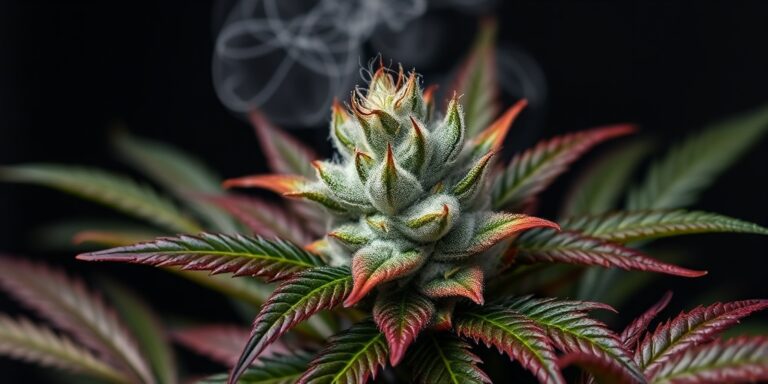
By combining parent lines high in caryophyllene and limonene, breeders successfully stabilized a phenotype that synthesizes aggressive, pungent aromatics with robust vegetative vigor. The resulting offspring exhibits dense calyx structures and an extraordinary density of glandular trichomes.
Breeding Breakthroughs in Modern Hybrids
Modern breeding protocols prioritizing organoleptic intensity have shifted consumer expectations. Cultivators utilize precise selection methods to isolate traits responsible for rich, chemical-forward aromas, cementing this hybrid’s place in modern dispensaries.
Terpene Profile and Aromatic Signature
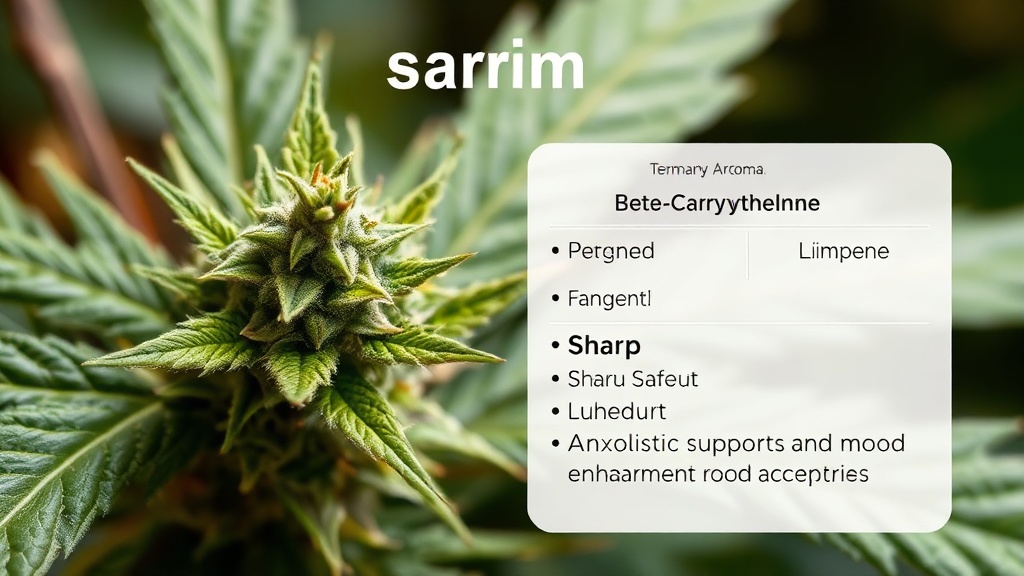
The distinctive aroma of this cultivar is driven by a unique synthesis of primary and secondary terpenes. Unlike traditional fruity or floral strains, its bouquet is dominated by pungent industrial notes complemented by underlying earth and spice.
| Terpene Compound | Primary Aroma | Therapeutic Mechanism |
|---|---|---|
| Beta-Caryophyllene | Pungent, Pepper, Gas | CB2 receptor agonist; anti-inflammatory properties |
| Limonene | Sharp Citrus, Solvent | Anxiolytic support and mood enhancement |
| Myrcene | Earthy, Herbal, Musky | Promotes muscle relaxation and sedation |
| Humulene | Woody, Earthy | Suppression of inflammation and appetite regulation |
Potency, Effects, and Therapeutic Applications
Testing consistently reveals total THC concentrations ranging between 24% and 28%, making this cultivar exceptionally potent. The physiological response begins with rapid cerebral activation followed by a steady transition into systemic body relaxation.
Patients often seek this strain for acute physical discomfort and stress management. The rapid onset of cerebral euphoria effectively disrupts cognitive rumination, while secondary analgesic effects relieve deep somatic tension.
- Cognitive Effects: Initial head pressure, heightened sensory awareness, and intense mental euphoria.
- Physical Effects: Heavy muscular easing, reduced joint stiffness, and eventual sedation at higher dosages.
- Medical Indications: Chronic pain management, severe anxiety, insomnia, and stress-related appetite suppression.
Cultivar Comparison: Sharpie Strain vs. Related Hybrids
To contextualize its performance and chemical profile, comparing this hybrid to related gas-forward cultivars provides critical insights for consumers and growers alike.
| Cultivar | Average THC Range | Dominant Terpenes | Primary Effect Profile |
|---|---|---|---|
| Sharpie Strain | 24% – 28% | Caryophyllene, Limonene, Myrcene | Balanced euphoric onset with heavy body relaxation |
| Permanent Marker | 26% – 30% | Myrcene, Caryophyllene, Limonene | Strongly sedative, heavy mental fog, deep relaxation |
| Motorbreath | 22% – 26% | Myrcene, Humulene, Caryophyllene | Intense body high, physical couch-lock, narcotic feel |
Cultivation Parameters and Yield Optimization
Cultivating this high-terpene hybrid requires strict environmental monitoring to protect volatile terpenes and maximize resin production. Standard indoor flowering timelines range between 8 to 9 weeks.
- Canopy Management: Utilize Screen of Green (ScrOG) techniques to optimize light interception across secondary nodes.
- Environmental Controls: Maintain daytime temperatures between 72°F and 78°F during flower, reducing humidity to 40% in late bloom.
- Nutrient Strategy: Supply elevated levels of calcium and magnesium early in bloom, transitioning to high potassium formulations mid-flower.
- Harvest Preparation: Execute a thorough two-week flush while maintaining cool night temperatures to enhance anthocyanin expression.
Key Takeaways
Understanding the essential attributes of this cultivar ensures proper selection and application:
- Unique Profile: Characterized by sharp, chemical, and solvent-like aromatics driven by high caryophyllene content.
- High Potency: THC levels typically range from 24% to 28%, necessitating cautious dosage control for novice users.
- Versatile Benefits: Delivers robust relief for chronic pain, stress, and sleep disturbances.
- Precise Cultivation: Requires moderate humidity controls and structured canopy training for maximum flower density.
Frequently Asked Questions
Is the Sharpie strain suitable for beginner cannabis consumers?
Due to its high THC concentration (often exceeding 24%), this cultivar is generally recommended for individuals with established cannabinoid tolerance. Novice users should initiate consumption with minimal doses to prevent over-sedation.
What is the dominant terpene in the Sharpie strain?
Beta-caryophyllene is typically the dominant terpene, contributing to both its spicy, marker-like fuel aroma and its potent anti-inflammatory properties through direct CB2 receptor binding.
What is the average flowering time for indoor cultivation?
When grown indoors under controlled environmental conditions, this cultivar completes its flowering cycle within 8 to 9 weeks, producing dense, resinous buds.
About the Author