
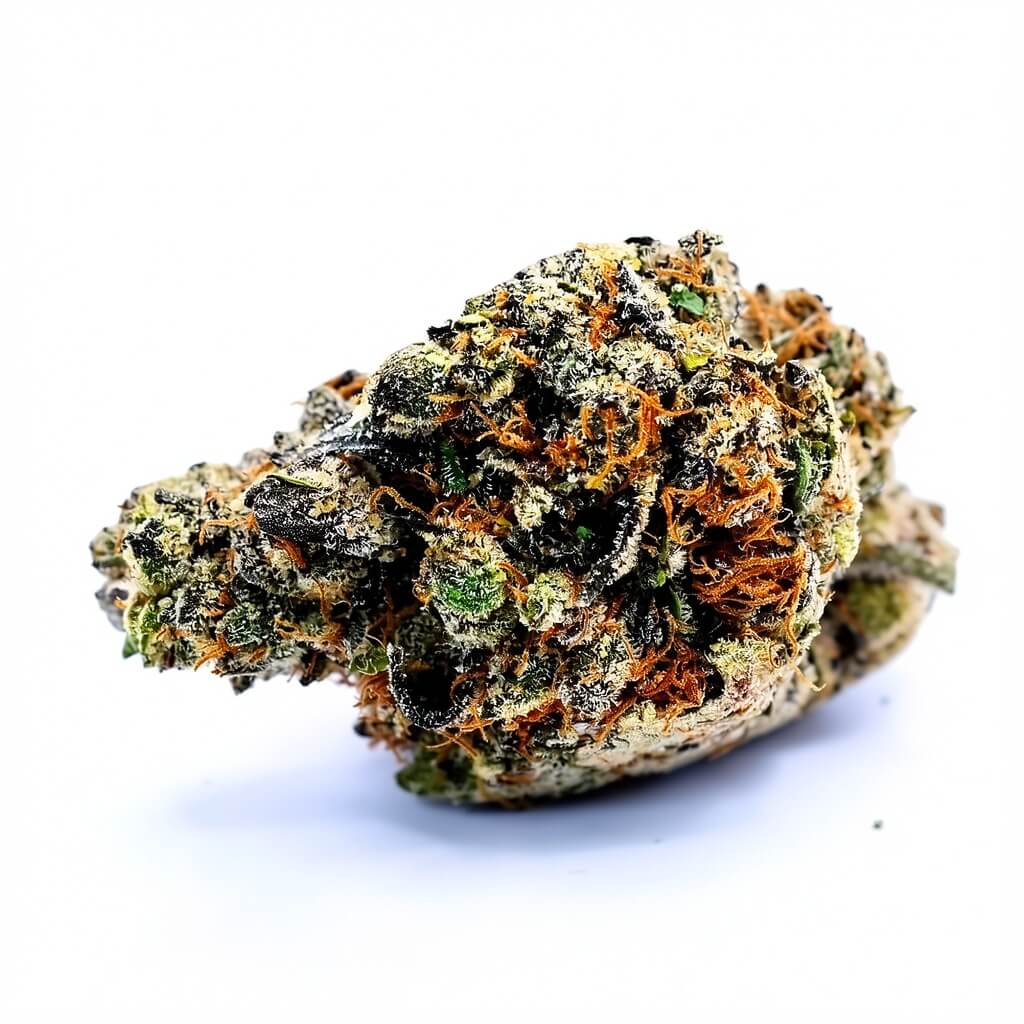
The gumbo weed strain has carved out a prestigious niche within contemporary cannabis culture, favored for its elusive genetics and formidable potency. While its specific lineage remains a subject of debate among breeders (often shrouded in the clandestine history of Madison County) its reputation for delivering a profound physiological experience is undisputed. This Indica-dominant powerhouse is characterized by its dense, resinous buds and a flavor profile that evokes a nostalgic sweetness reminiscent of pink bubblegum, juxtaposed against a pungent, earthy musk. For enthusiasts seeking a sophisticated balance between cerebral euphoria and deep somatic relaxation, understanding the intricacies of the gumbo weed strain is essential for an informed consumption experience. As the market shifts toward highly specialized cultivars, Gumbo remains a benchmark for quality and consistency, frequently referenced in popular culture and prioritized by those with a high tolerance. Navigating the complexities of this strain requires an appreciation for its unique terpene assembly and the synergistic way its cannabinoids interact with the human endocannabinoid system. By examining its origins, chemical composition, and therapeutic potential, one can discern why this particular variety continues to dominate top-tier dispensary shelves globally.
The Definitive Guide to the Gumbo Weed Strain: Profile, Potency, and Effects
Analyzing the Genetic Heritage of the Gumbo Weed Strain
The origins of the Gumbo cultivar are notoriously opaque, a common trait among legacy strains that emerged before the era of commercial transparency. Most botanical experts categorize it as an Indica-dominant hybrid, likely possessing a 70/30 or 80/20 Indica-to-Sativa ratio. Its development is frequently attributed to breeders in the Southern United States, where it was named not for its ingredients, but for the eclectic and rich “stew” of physical sensations it provides.
Speculation suggests that Gumbo may share ancestry with classic Afghani landraces, given its robust resin production and heavy sedative properties. The lack of a verifiable lineage has only enhanced its mystique, making it a “cloned-only” prize in many exclusive growing circles. This anonymity ensures that the focus remains entirely on the phenotype’s performance rather than its pedigree.
| Characteristic | Metric/Detail |
|---|---|
| Strain Type | Indica-dominant Hybrid |
| Average THC Content | 18% – 24% |
| Dominant Terpenes | Caryophyllene, Limonene, Myrcene |
| Primary Flavors | Bubblegum, Pine, Skunk |
| Typical Flowering Time | 8 – 9 Weeks |
Terpene Profile and Sensory Experience
The sensory appeal of the gumbo weed strain is rooted in its complex terpene arrangement. Upon opening a container, the user is greeted by a dominant sugary aroma that mimics confectionery sweetness. This is quickly followed by a sharp, fuel-like undertone that signals the strain’s high cannabinoid concentration. The smoke is traditionally thick and expansive, carrying a smooth finish that leaves a lingering taste of spiced fruit on the palate.
Key Terpene Influence: Caryophyllene
Caryophyllene is the primary terpene responsible for Gumbo’s spicy notes and its unique ability to bind directly to CB2 receptors. This interaction provides significant anti-inflammatory benefits, distinguishing Gumbo from strains that only offer psychological relief. Secondary terpenes like Limonene provide a subtle citrus lift, preventing the experience from becoming overly lethargic during the initial onset.
Physiological Effects and Medicinal Applications
The effects of Gumbo are characterized by a rapid onset of cerebral pressure that transitions into a full-body “stone.” Users often report a sense of weighted relaxation, making it an ideal choice for evening use or periods of physical recovery. Because of its high THC ceiling, novice users should approach this cultivar with caution to avoid over-sedation or temporary couch-lock.
Medicinally, Gumbo is highly regarded for its efficacy in managing chronic conditions. The sedative nature of the strain makes it a potent tool for those battling insomnia or restless leg syndrome. Furthermore, its ability to induce a calm mental state without significant paranoia is beneficial for patients dealing with high-stress levels or generalized anxiety disorders.
- Pain Management: High efficacy for neuropathic pain and muscle spasms.
- Appetite Stimulation: Frequently utilized by patients undergoing treatments that suppress hunger.
- Stress Reduction: Promotes a significant decrease in cortisol-related tension.
Cultivation Characteristics and Botanical Morphology
For the cultivator, the gumbo weed strain presents a rewarding but moderate challenge. The plants typically exhibit a classic Indica structure: short, bushy, and sturdy with broad fan leaves. These plants require consistent “topping” or pruning to ensure adequate light penetration to the lower bud sites, as the canopy can become incredibly dense.
The buds themselves are visual masterpieces, often displaying deep purple hues and neon green foliage under a thick blanket of crystalline trichomes. Environmental control is paramount during the final weeks of flowering, as the density of the flowers makes them susceptible to moisture-related issues like botrytis. Maintaining a lower humidity level in the grow space will preserve the integrity of the resin glands and maximize the terpene output.
Comparative Analysis: Gumbo vs. Industry Standards
To better understand Gumbo’s place in the market, it is helpful to compare it against other legendary Indica-dominant hybrids. While many strains offer relaxation, Gumbo is unique for its specific “bubblegum” aromatic profile and the intensity of its physical “heavy” sensation.
| Feature | Gumbo Strain | Granddaddy Purple | Bubba Kush |
|---|---|---|---|
| Sedation Level | High | Moderate-High | Very High |
| Primary Note | Sweet Candy | Grape/Berry | Coffee/Cocoa |
| Resin Production | Extreme | High | Moderate |
| Difficulty to Grow | Moderate | Easy | Easy-Moderate |
- Gumbo is a potent Indica-dominant hybrid best suited for nocturnal use.
- The strain is famous for a unique flavor profile combining bubblegum and skunk.
- It possesses significant medicinal value for pain, insomnia, and stress.
- Cultivation requires attention to airflow and humidity due to high bud density.
Frequently Asked Questions
Is the Gumbo strain suitable for daytime use?
Generally, no. Due to its heavy sedative properties and high THC content, most users find that Gumbo is better suited for the evening. Using it during the day may lead to significant lethargy and decreased productivity.
What makes Gumbo smell like bubblegum?
The specific ratio of Myrcene and Ocimene, combined with trace amounts of other esters, creates a sweet, candy-like scent profile. This aromatic signature is a hallmark of the authentic Gumbo phenotype.
How potent is the gumbo weed strain for experienced users?
Even for those with a high tolerance, Gumbo is considered a “heavy hitter.” Its combination of cannabinoids and terpenes often overcomes the physiological plateaus encountered with less complex strains.

About the Author