The Bruce Banner weed strain stands as a paragon of contemporary cannabis breeding, representing a sophisticated equilibrium between high-potency THC production and a complex aromatic profile. Developed by Dark Horse Genetics, this cultivar achieved legendary status almost immediately upon its release, primarily due to its remarkable ability to bridge the gap between intense cerebral stimulation and deep physical relaxation. Named after the alter ego of the comic book hero the Incredible Hulk, the strain lives up to its namesake through its sheer power and vibrant green aesthetics. For connoisseurs and medical patients alike, the Bruce Banner weed strain offers a nuanced experience that transcends simple intoxication, providing a multifaceted phytochemical profile that rewards careful consumption. While several phenotypes exist, Bruce Banner #3 has emerged as the most coveted iteration, consistently testing at THC levels that challenge even the most experienced users. Understanding the genetic heritage and chemical complexity of this strain is essential for anyone seeking to integrate its potent effects into their personal or therapeutic regimen.
The Bruce Banner Weed Strain: An Authoritative Guide to Genetics and Effects
Origins and Genetic Lineage
The Bruce Banner weed strain is a Sativa-dominant hybrid, typically maintaining a 60:40 Sativa to Indica ratio. Its genetic foundation is built upon two powerhouse parents: OG Kush and Strawberry Diesel. This intentional pairing was designed to capture the heavy-hitting potency of the Kush lineage while incorporating the invigorating aromatic qualities of the Diesel family.
Dark Horse Genetics originally developed five distinct phenotypes of this strain. While phenotypes #1, #2, #4, and #5 each possessed unique traits, it was Bruce Banner #3 that captured the industry’s attention. This specific phenotype won the High Times Cannabis Cup and has since become the standard-bearer for the name due to its exceptional resin production and high cannabinoid concentration.
Chemical Composition of Bruce Banner
The Bruce Banner weed strain is distinguished by its extraordinary THC content, which frequently ranges between 24% and 29%. This level of potency places it among the strongest cultivars available in modern dispensaries. However, the experience is not defined by THC alone; the terpene profile plays a critical role in modulating its effects and providing its signature fragrance.
| Phytochemical Component | Average Concentration/Identity | Primary Function |
|---|---|---|
| THC Content | 24% – 29% | Psychoactive potency and euphoria |
| Dominant Terpene | Myrcene | Sedative qualities and muscle relaxation |
| Secondary Terpene | Caryophyllene | Anti-inflammatory and spicy notes |
| Tertiary Terpene | Limonene | Mood elevation and citrus aroma |
Therapeutic and Recreational Effects
The onset of the Bruce Banner weed strain is characterized by a rapid cerebral surge. Users often report an immediate shift in perception, marked by increased creativity and a sense of focused euphoria. This initial Sativa-heavy phase makes the strain a favorite for daytime use among those who require mental clarity paired with mood enhancement.
As the experience progresses, the Indica heritage of OG Kush begins to manifest. This transition provides a gentle physical relaxation that does not typically result in significant lethargy or “couch-lock,” provided the dosage is moderated. This balance makes it highly effective for the following applications:
- Stress Mitigation: The rapid euphoric onset assists in decompressing from chronic psychological stress.
- Pain Management: High THC levels provide significant analgesic properties for neuropathic and muscular pain.
- Fatigue Combat: The stimulating Sativa elements can help users overcome midday energy slumps.
- Depressive Symptoms: Its ability to elevate mood makes it a candidate for those managing mood disorders.
Cultivation Characteristics of the Bruce Banner Weed Strain
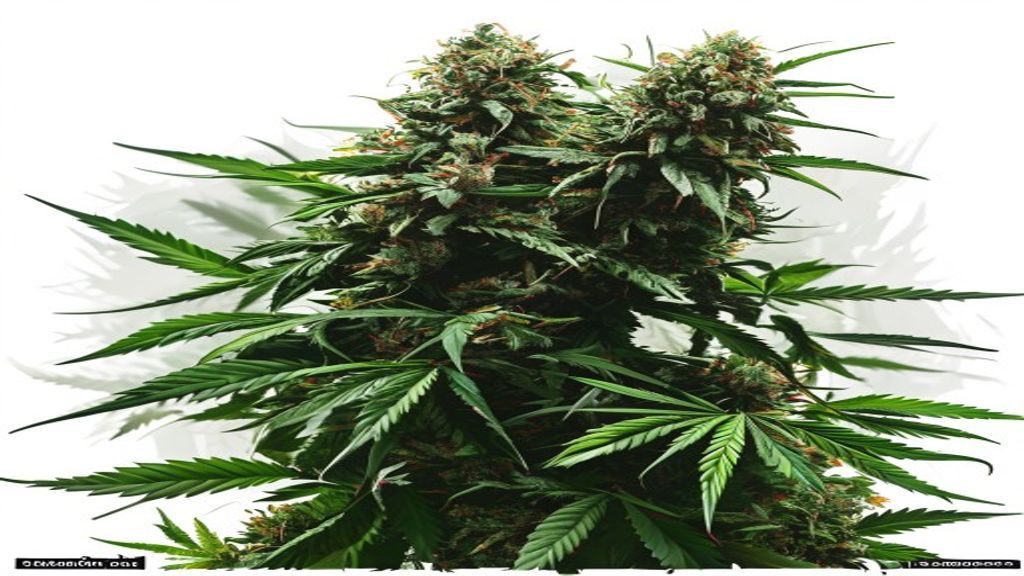
Cultivating the Bruce Banner weed strain requires a moderate level of horticultural expertise. These plants are known for their vigorous vegetative growth and tend to stretch significantly during the transition to the flowering stage. Growers must implement structural support and training techniques to manage the height and weight of the developing colas.
Environmental Requirements
The strain thrives in a Mediterranean-like climate where humidity is strictly controlled. Due to the density of the buds, proper airflow is paramount to prevent moisture-related issues such as botrytis (bud rot) or powdery mildew. It is generally considered a high-yielding cultivar when provided with optimal nutrient levels and light intensity.
Key Growing Metrics:
- Flowering Time: Typically ranges between 8 to 10 weeks.
- Plant Height: Can reach over 6 feet if not trained effectively.
- Yield: High (approx. 500-600 grams per square meter indoors).
Comparative Analysis
To fully appreciate the Bruce Banner weed strain, it is helpful to compare it against its direct ancestors and similar high-potency hybrids. This contextualizes why it remains a staple in the competitive cannabis market.
| Feature | Bruce Banner | Strawberry Diesel | OG Kush |
|---|---|---|---|
| Primary Effect | Balanced Euphoria | Cerebral Energy | Sedative Relaxation |
| Flavor Profile | Sweet/Diesel | Fruit/Fuel | Earthy/Pine |
| Potency Level | Very High | High | Moderate to High |
Key Takeaways
- The Bruce Banner weed strain is a top-tier hybrid known for some of the highest THC levels in the industry.
- Its lineage of OG Kush and Strawberry Diesel creates a unique sweet and gassy aroma.
- It offers a dual-action effect: initial cerebral stimulation followed by physical ease.
- Successful cultivation requires managing height and ensuring rigorous environmental controls.
- It is best suited for experienced consumers due to its intense potency.
Frequently Asked Questions
Is Bruce Banner a Sativa or Indica?
Bruce Banner is a Sativa-dominant hybrid, typically featuring a 60% Sativa and 40% Indica split. This allows it to provide the uplifting mental effects of a Sativa while maintaining the soothing physical properties of an Indica.
How much THC is in Bruce Banner?
The THC content in the Bruce Banner weed strain is remarkably high, often testing between 24% and 29%. Some laboratory tests of the #3 phenotype have occasionally pushed toward the 30% mark, making it one of the most potent strains available.
What does Bruce Banner smell like?
The strain possesses a complex aroma that blends the pungent, fuel-like notes of Diesel with the sweet, floral undertones of strawberry. There is also a discernible earthy base inherited from its OG Kush parentage.
Is Bruce Banner suitable for beginners?
Due to its extreme potency, Bruce Banner is generally recommended for seasoned cannabis users. Beginners should approach this strain with caution, starting with a very low dose to gauge their tolerance to its rapid onset and high THC levels.
About the Author