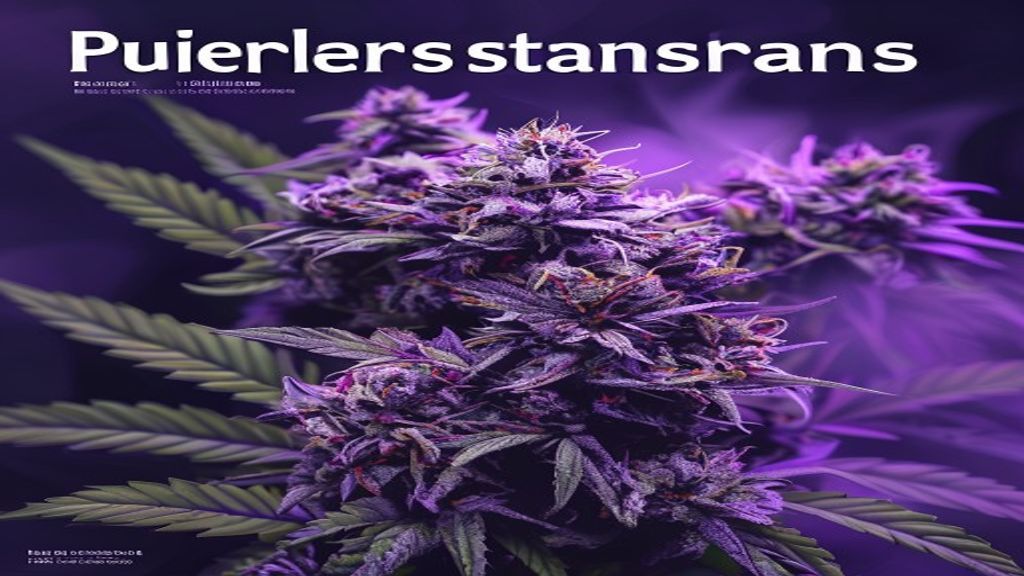
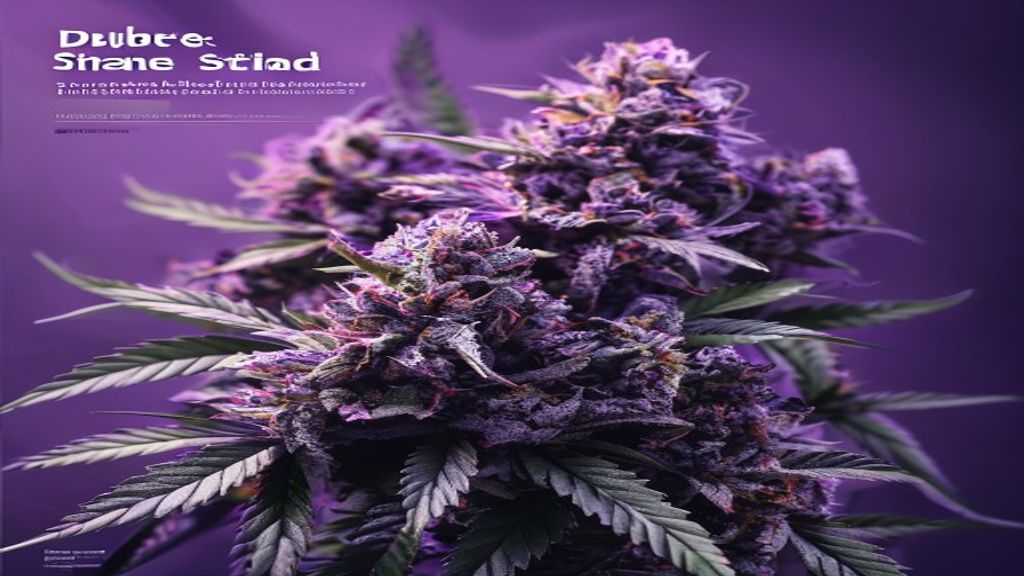
The presence of deep violet and plum hues in cannabis has long been regarded as a hallmark of premium quality and botanical intrigue among connoisseurs and medical patients alike. While many novice consumers assume that color is a direct indicator of psychological potency, the reality is rooted in complex plant biology and the expression of specific secondary metabolites. Purple strains of weed owe their striking aesthetic to a class of water-soluble pigments known as anthocyanins, which belong to the flavonoid group. These pigments remain masked by green chlorophyll during the vegetative stage but reveal themselves as the plant matures, particularly when triggered by genetic predispositions or environmental stressors. Understanding the distinction between varieties that are genetically programmed to change color and those that require specific temperature shifts is essential for both cultivators seeking aesthetic excellence and consumers looking for specific terpene profiles. This article explores the physiological mechanisms, genetic foundations, and cultivation techniques that define these celebrated cultivars, providing a clear, authoritative guide to their unique position within the global cannabis market.
Comprehensive Guide to Purple Strains of Weed: Science, Genetics, and Effects
The Biological Mechanism of Anthocyanins
The vibrant colors associated with purple cannabis are not merely for visual appeal; they are the result of a sophisticated biological process involving anthocyanins. These compounds are found in various fruits and vegetables, such as blueberries and grapes, and serve as a protective mechanism for the plant. In cannabis, anthocyanins protect leaf tissues from high-intensity light and oxidative stress, effectively acting as a botanical sunscreen.
Genetic Predisposition and Phenotypic Expression
Not every cannabis plant has the capacity to turn purple. The ability to produce high concentrations of anthocyanins is encoded within a strain’s DNA. Some cultivars, often referred to as “true purples,” will exhibit deep coloration regardless of environmental conditions due to their specific genetic lineage. These plants have a higher ratio of anthocyanins to chlorophyll, allowing the purple hues to dominate the visual spectrum as the plant nears the end of its flowering cycle.
Environmental Triggers and Temperature Sensitivity
In many varieties, the “purple” trait is latent and requires an environmental catalyst to manifest. When nocturnal temperatures drop during the flowering phase, chlorophyll production slows down, and the existing green pigment begins to degrade. This degradation allows the underlying anthocyanins to become visible. Specifically, a consistent temperature differential between day and night—often a drop of 10 to 15 degrees Fahrenheit—is the most common method used by cultivators to trigger this phenotypic expression.
Essential Cultivation Strategies for Purple Strains of Weed
Successfully producing high-quality purple strains of weed requires a balance between genetics and environmental control. Cultivators must ensure that the plant’s nutritional needs are met while manipulating the climate to encourage pigment change. Over-stressing the plant can lead to diminished yields or reduced cannabinoid production, so precision is paramount.
- Selection of Genetics: Start with stable seeds from lineages known for color, such as those descended from Purple Urkle or Mendocino Purps.
- Temperature Management: Implement a “cool period” during the final three to four weeks of flowering, keeping nighttime temperatures between 55°F and 65°F.
- pH Level Optimization: Anthocyanins are pH-sensitive; slightly more acidic conditions in the growing medium can sometimes enhance red and purple tones.
- Light Spectrum Adjustment: Increased exposure to UV-B light can stimulate the production of flavonoids as a defense mechanism, intensifying the color.
Comparing Popular Purple Cultivars and Characteristics
The effects and flavor profiles of purple cannabis are largely determined by their terpene content rather than the color itself. Many purple varieties are Indica-dominant and feature high concentrations of Myrcene and Linalool, which contribute to a relaxing and sedative experience. However, modern breeding has introduced Sativa-leaning hybrids that maintain the purple aesthetic while offering more cerebral effects.
| Feature | Indica-Dominant Purples | Sativa-Dominant Purples |
|---|---|---|
| Primary Effects | Sedative, physical relaxation | Cerebral, uplifting, creative |
| Typical Bud Structure | Dense, popcorn-shaped nugs | Elongated, airy structure |
| Common Terpenes | Myrcene, Linalool | Limonene, Terpinolene |
| Color Distribution | Deep violet throughout the bud | Purple highlights on sugar leaves |
Beyond broad categories, specific strains have gained legendary status for their consistent performance and unique profiles. The following table provides a breakdown of three of the most influential purple varieties currently available in the market.
| Strain Name | Primary Terpene | Average THC % | Aroma Profile |
|---|---|---|---|
| Granddaddy Purple (GDP) | Myrcene | 17% – 23% | Grape, Berry, Earthy |
| Purple Kush | Caryophyllene | 18% – 22% | Sandalwood, Sweet Spice |
| Grape Ape | Linalool | 16% – 20% | Skunk, Sweet Grape |
Key Takeaways for Consumers and Growers
Understanding the nuances of purple cannabis allows for a more informed approach to selection and cultivation. Color is a secondary trait that, while visually appealing, does not inherently dictate the potency or efficacy of the product. Instead, it serves as an indicator of the plant’s unique chemical history and genetic lineage.
- Anthocyanins are responsible for the purple color and offer potential antioxidant benefits.
- True purple genetics will display color without extreme cold, whereas others require temperature shifts.
- The “Entourage Effect” in purple strains is often driven by terpenes like Linalool, which mimics the scent of lavender.
- Avoid “dyed” or artificially stressed plants that show purple only on the surface of the leaves.
Frequently Asked Questions
Does the purple color make the weed stronger?
No, there is no scientific evidence suggesting that anthocyanin concentration is correlated with higher THC or CBD levels. The “strength” of the cannabis is determined by its cannabinoid and terpene profile, though many purple strains are bred specifically for high relaxation and potency.
Can I turn any strain purple by making it cold?
Not necessarily. While cold temperatures can inhibit chlorophyll and reveal other pigments, a plant must have the genetic potential to produce anthocyanins in significant quantities to appear purple. Without these genes, the plant may simply turn yellow or show signs of stress-induced damage.
Are purple strains better for sleep?
Many classic purple strains, such as Granddaddy Purple, are Indica-dominant and contain high levels of Linalool and Myrcene, both of which are associated with sedation. While the color itself doesn’t cause sleepiness, the genetic lineage of many purple varieties often results in a sedative effect profile.
Is it safe to consume purple cannabis?
Yes, anthocyanins are natural compounds found in many edible plants. As long as the purple coloration is a result of natural genetics or temperature control—and not the result of artificial dyes or nutrient deficiencies—it is perfectly safe and highly sought after for its unique flavor and appearance.
About the Author