Cultivating cannabis in a soil-less environment is often considered the pinnacle of horticultural precision. Learning how to grow cannabis hydroponically offers cultivators an unparalleled level of control over the plant’s environment and nutritional intake, leading to significantly faster growth rates and enhanced yields compared to traditional soil methods. By delivering a concentrated nutrient solution directly to the root zone, the plant conserves energy that would otherwise be spent searching for minerals in the substrate, instead channeling that energy into vegetative expansion and flower development. This method requires a deeper understanding of plant physiology and water chemistry, as the buffer provided by soil is removed, making the system highly responsive to both optimizations and errors.
The transition to hydroponics involves a shift from organic complexity to mineral-based accuracy. Every variable, from the acidity of the water to the electrical conductivity of the nutrient solution, must be monitored with clinical precision. For the dedicated grower, this approach provides the tools necessary to unlock the full genetic potential of a specific strain. Whether utilizing a passive system or a highly automated active setup, the objective remains the same: creating a highly oxygenated rhizosphere that facilitates rapid nutrient uptake. In this guide, we will explore the technical requirements and procedural steps essential for mastering the art of soil-less cannabis cultivation.
A Comprehensive Guide on How to Grow Cannabis Hydroponically for Maximum Yield
Table of Contents
Essential Components of a Hydroponic Setup
Before initiating a grow, one must secure the foundational hardware required to maintain a sterile and efficient environment. Unlike soil, which holds moisture and nutrients over time, a hydroponic system is dynamic and relies on constant circulation or specific delivery intervals. The core of any setup includes a reservoir for the nutrient solution, a submersible pump for irrigation, and an aeration system—typically an air pump and air stones—to ensure the water remains saturated with dissolved oxygen.
Inert growing media are used to provide structural support to the plant without influencing the nutritional profile. Popular choices include stonewool (Rockwool), expanded clay pebbles, and coco coir. Each medium has different water retention properties and cation exchange capacities. For example, clay pebbles offer excellent drainage and aeration, making them ideal for Deep Water Culture (DWC), while coco coir provides a familiar texture for those transitioning from soil while remaining chemically inert.
Environmental Monitoring Tools
To succeed in growing cannabis hydroponically, the gardener must act as a laboratory technician. High-quality pH and EC (Electrical Conductivity) meters are non-negotiable tools. Because there is no soil to buffer the roots, a sudden shift in pH can lead to immediate nutrient lockout, where the plant is unable to absorb specific minerals despite their presence in the water. Digital monitors that provide real-time data are preferred for maintaining the tight tolerances required for vigorous growth.
Selecting the Right Hydroponic System
Choosing the appropriate method is the most critical decision in the planning phase. Different systems offer varying levels of complexity and maintenance requirements. The table below compares the two most prevalent methods for residential and commercial cannabis cultivation.
| System Type | Mechanism | Pros | Cons |
|---|---|---|---|
| Deep Water Culture (DWC) | Roots are submerged in oxygenated nutrient solution. | Rapid growth, simple design. | Sensitive to water temperature. |
| Ebb and Flow (Flood and Drain) | Trays are periodically flooded and then drained. | Highly reliable, low maintenance. | Potential for pump failure issues. |
Deep Water Culture is often favored by hobbyists for its explosive growth potential. In this setup, the cannabis plant sits in a net pot suspended above a reservoir. The roots grow directly into the water, which is kept oxygenated by an air stone. Conversely, Ebb and Flow systems are more versatile for managing multiple plants at once, as the nutrient solution is pumped from a central reservoir to a tray and allowed to recede, pulling fresh oxygen into the root zone with every cycle.
Nutrient Management and pH Control
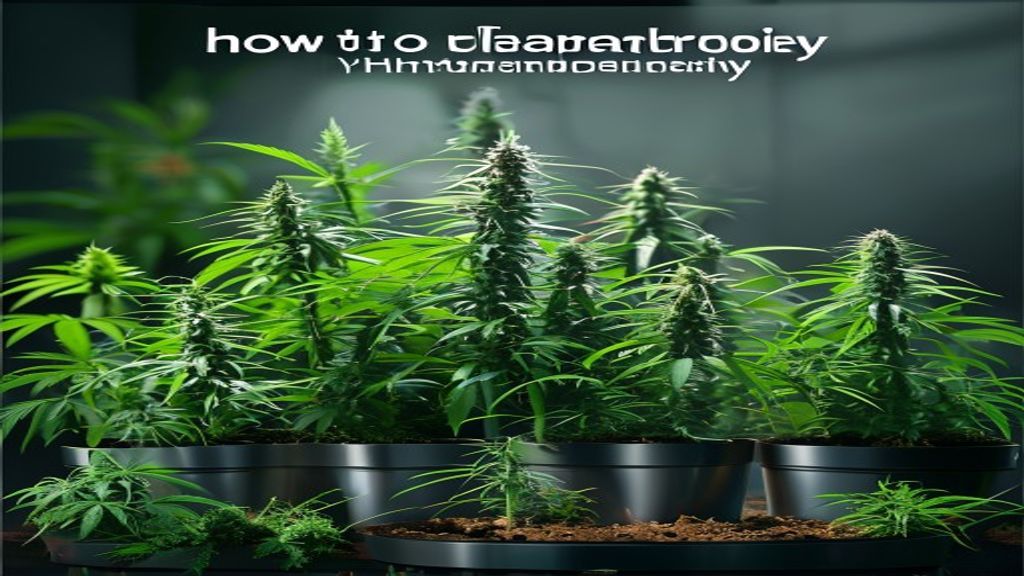
In hydroponics, the grower is responsible for providing all 17 essential elements for plant growth. These are typically divided into macronutrients (Nitrogen, Phosphorus, Potassium), secondary nutrients (Calcium, Magnesium, Sulfur), and micronutrients (Iron, Manganese, Zinc, etc.). Most manufacturers provide a multi-part liquid nutrient line specifically formulated for the different stages of the cannabis life cycle.
Optimizing the Chemical Environment
The availability of these nutrients is strictly dictated by the pH of the solution. For cannabis grown hydroponically, the ideal pH range is between 5.5 and 6.5, with 5.8 generally considered the “sweet spot.” If the pH drifts outside this window, the chemical bonds of the nutrients can change, making them unavailable to the plant. Maintaining the correct Electrical Conductivity (EC) ensures that the concentration of salts is sufficient for growth without being so high that it causes osmotic stress or “nutrient burn.”
| Growth Phase | Target pH | Target EC (mS/cm) | Primary Nutrient Focus |
|---|---|---|---|
| Seedling/Clone | 5.8 – 6.0 | 0.4 – 0.8 | Low concentration, high P |
| Vegetative | 5.5 – 6.2 | 1.2 – 1.8 | High Nitrogen (N) |
| Flowering | 5.8 – 6.5 | 1.8 – 2.5 | High P and K |
Managing the Hydroponic Growth Cycle
The growth cycle in a hydroponic environment is accelerated. During the vegetative stage, the plant focuses on developing a robust root system and a thick canopy. Because nutrients are so readily available, the plant can grow several inches per day. It is essential to prune and train the plants early to ensure light penetration through the dense foliage that hydroponics facilitates. Techniques such as Low-Stress Training (LST) or Scrog (Screen of Green) are highly effective in these systems.
As the plant transitions to the flowering stage, the nutritional requirements shift dramatically. The demand for Nitrogen drops, while the need for Phosphorus and Potassium increases to support bud development. During the final two weeks of flowering, many growers perform a “flush,” where they run plain, pH-balanced water through the system. This encourages the plant to consume its stored nutrients, which can improve the flavor and smoothness of the final product.
Key Takeaways
- Precision is Mandatory: Hydroponics removes the buffer of soil, requiring daily monitoring of pH and EC levels.
- Oxygenation is Vital: Dissolved oxygen in the nutrient solution prevents root rot and facilitates rapid mineral absorption.
- Temperature Control: Keeping the reservoir water between 18°C and 21°C (65°F – 70°F) is crucial for preventing pathogen growth.
- Sterility: Regularly cleaning the system and using sterile nutrients prevents algae and bacterial blooms.
Frequently Asked Questions
How often should I change the nutrient solution?
It is best practice to completely drain and replace the nutrient reservoir every 7 to 10 days. This prevents the buildup of unused mineral salts and ensures the nutrient ratio remains balanced according to the plant’s current needs.
Is hydroponic cannabis more potent than soil-grown?
While potency is primarily determined by genetics, hydroponics allows the plant to reach its maximum genetic potential by eliminating environmental stressors. This often results in higher terpene profiles and resin production compared to plants grown in suboptimal soil.
What is the most common mistake for beginners?
Over-fertilization is the most frequent error. Beginners often assume more nutrients lead to faster growth, but excessive salt concentrations can dehydrate the plant and cause permanent root damage. Always start with a lower dose than the manufacturer recommends.
Do I need special lights for hydroponics?
The lighting requirements for cannabis remain the same regardless of the growing medium. High-intensity LED or HID (High-Pressure Sodium/Metal Halide) lights are required to provide the PAR (Photosynthetically Active Radiation) levels necessary for dense flower development.
About the Author