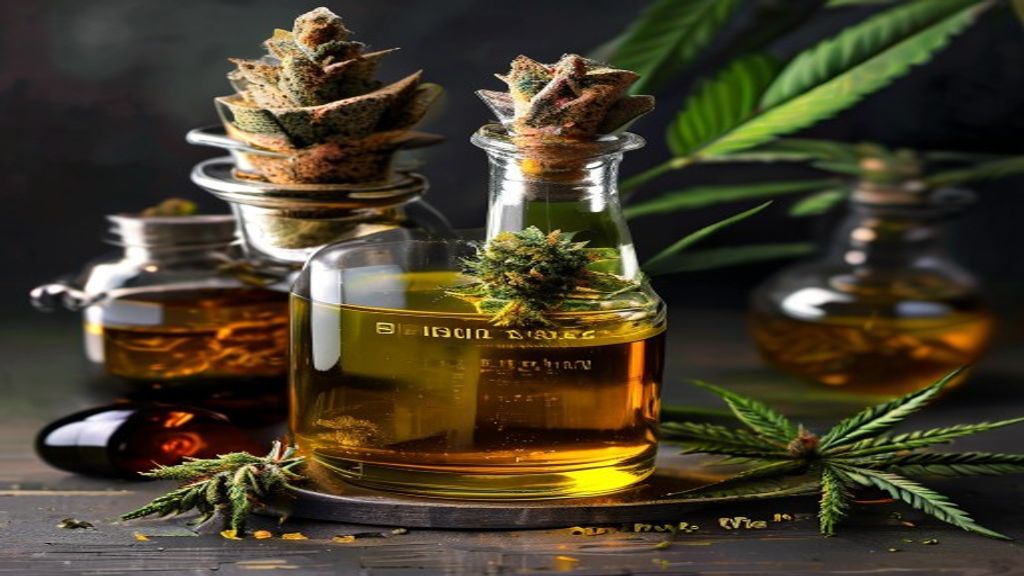
The integration of cannabis into culinary and therapeutic applications requires a reliable delivery vehicle that ensures both stability and maximum bioavailability. Olive oil, a staple of the Mediterranean diet, serves as an exceptional lipid carrier for phytocannabinoids due to its high concentration of monounsaturated fats and natural antioxidants. When learning how to make cannabis oil with olive oil, one must prioritize precision in temperature control and botanical preparation to preserve the delicate terpene profiles and ensure the complete conversion of cannabinoid acids. This process, often referred to as lipid-based infusion, allows for a versatile end product that can be utilized in topical formulations, sublingual tinctures, or as a foundational ingredient in sophisticated gastronomic recipes.
A Definitive Guide on How to Make Cannabis Oil with Olive Oil
The Critical Role of Decarboxylation
Before the infusion process can commence, the raw cannabis material must undergo a chemical reaction known as decarboxylation. In its natural state, the cannabis plant produces cannabinoids in their acidic forms, such as THCA and CBDA. These molecules contain a carboxyl group that limits their ability to cross the blood-brain barrier effectively. By applying controlled heat over a specific duration, we remove this carboxyl group, transforming the compounds into their more biologically active neutral forms, THC and CBD.
To achieve optimal decarboxylation, preheat a laboratory-grade oven or a standard kitchen oven to 240°F (115°C). Break the dried cannabis flower into small, uniform pieces—avoiding a fine powder consistency to prevent over-extraction of chlorophyll—and spread them evenly across a parchment-lined baking sheet. Heating the material for 30 to 45 minutes ensures maximum conversion without significant degradation of the heat-sensitive terpenes that contribute to the therapeutic “entourage effect.”
Material Selection and Equipment
The quality of the final infusion is inextricably linked to the quality of the precursors. Extra virgin olive oil is preferred for its chemical stability and high smoke point relative to other unrefined oils. Furthermore, the presence of oleic acid facilitates the micellar solubilization of cannabinoids, which enhances intestinal absorption. When selecting your botanical material, consider the cultivar’s cannabinoid concentration, as this will dictate the potency of the resulting oil.
Recommended Oil and Botanical Ratios
The following table outlines the standard ratios used by professionals to achieve specific therapeutic outcomes. Adjusting these ratios allows the producer to control the milligram-per-milliliter concentration of the final product.
| Intensity Level | Cannabis (Grams) | Olive Oil (Milliliters) | Application Focus |
|---|---|---|---|
| Mild | 7g | 250ml | Culinary use/Microdosing |
| Standard | 14g | 250ml | General therapeutic use |
| Potent | 28g | 250ml | Targeted symptom management |
Mastering the Infusion: How to Make Cannabis Oil with Olive Oil
The infusion stage involves the transfer of the decarboxylated cannabinoids from the plant matter into the olive oil medium. This requires a sustained low temperature to prevent the oxidation of the oil and the vaporization of essential compounds. There are several methodologies available, ranging from traditional stovetop techniques to modern sous-vide applications, each offering varying degrees of thermal precision.
Methodological Comparison for Oil Infusion
| Method | Time Requirement | Temperature Control | Effort Level |
|---|---|---|---|
| Slow Cooker | 4–6 Hours | Moderate | Low |
| Double Boiler | 2–3 Hours | High | Medium |
| Sous-Vide | 4 Hours | Excellent | High |
To execute the double boiler method, fill the bottom vessel with water and bring it to a gentle simmer. Place the olive oil and decarboxylated cannabis into the top vessel. The mixture should maintain a temperature between 160°F and 200°F. If the temperature exceeds 200°F, you risk scorching the oil and destroying the delicate chemical profile of the cannabis. Stir the mixture occasionally to ensure uniform heat distribution and to facilitate the solvent action of the lipids.
Filtration and Long-Term Storage
Once the infusion period is complete, the mixture must be filtered to remove the exhausted plant material. Secure a double layer of cheesecloth or a fine-mesh nut milk bag over a sterilized glass container. Pour the mixture slowly, allowing gravity to do most of the work. While it may be tempting to squeeze the cheesecloth to extract every drop, doing so often introduces excess chlorophyll and plant waxes, which can impart a bitter flavor and reduce the oil’s shelf life.
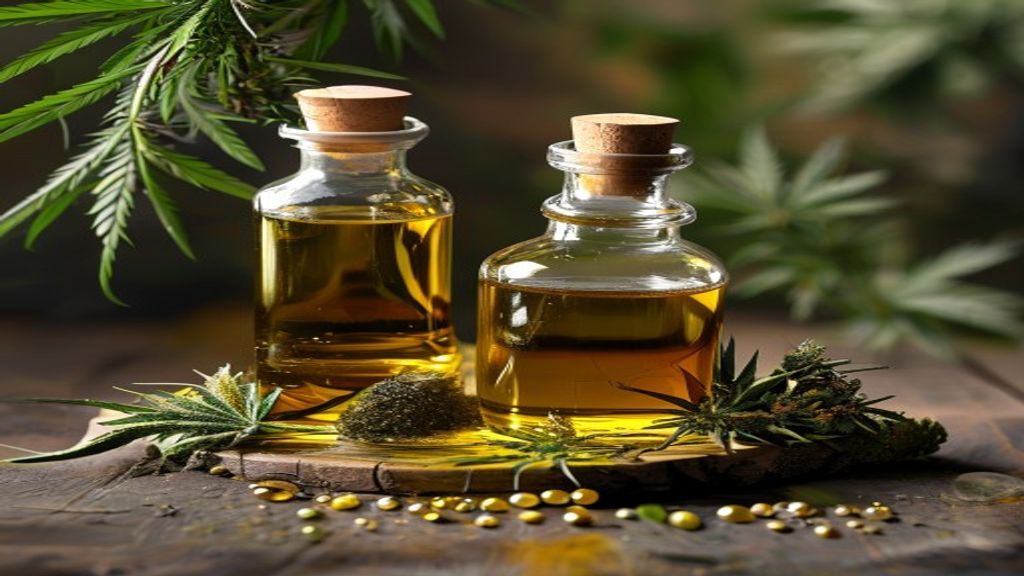
Store the finished cannabis-infused olive oil in a dark, airtight glass bottle. Exposure to light, heat, and oxygen are the primary catalysts for rancidity and cannabinoid degradation. When stored in a cool, dark cupboard, the oil remains viable for up to six months; refrigeration can extend this period to a year, though the oil may become cloudy or solidify at lower temperatures.
Key Takeaways
- Decarboxylation is mandatory: Raw cannabis will not produce psychoactive or significant therapeutic effects without heat activation.
- Temperature sensitivity: Maintaining an infusion temperature below 200°F is essential to preserve the integrity of the cannabinoids and the oil.
- Lipid choice matters: Extra virgin olive oil provides a superior balance of flavor, stability, and bioavailability.
- Proper filtration: Avoid over-pressing the plant material during straining to maintain a cleaner, more palatable flavor profile.
Which olive oil is best for cannabis infusions?
Extra virgin olive oil is generally considered the gold standard due to its high monounsaturated fat content and minimal processing. However, if you intend to use the oil for high-heat cooking after infusion, a “light” olive oil may provide a higher smoke point, though it lacks the polyphenols found in unrefined versions.
Can I use fresh, undried cannabis for this oil?
Using fresh cannabis is not recommended because the high water content can lead to bacterial growth and mold in the finished oil. Furthermore, moisture interferes with the decarboxylation process. Always use properly cured and dried botanical material for oil-based infusions.
How do I calculate the potency of my homemade oil?
Potency is calculated by multiplying the weight of the flower (in milligrams) by the THC/CBD percentage, then dividing by the volume of oil. For example, 10 grams of 20% THC flower contains 2,000mg of THC. If infused into 250ml of oil, the resulting concentration is approximately 8mg of THC per milliliter.
About the Author