The transition from a dormant seed to a vibrant, living plant is a sophisticated biological event governed by precise environmental triggers. For cultivators seeking maximum efficiency, understanding the specific requirements of the early life cycle is paramount. A frequent point of confusion among growers is the role of photoperiodism during the initial stages of life: does cannabis seed need light to germinate? Unlike some plant species that require light to break dormancy, cannabis seeds are naturally programmed to begin their life cycle in the sub-surface environment of the soil, where darkness prevails.
Does Cannabis Seed Need Light to Germinate? Understanding the Science of Seed Starting
Biologically speaking, the germination process is an internal metabolic reactivation triggered primarily by moisture and heat. During this phase, the embryo inside the seed coat consumes stored energy to fuel the emergence of the radicle, or the primary root. While light becomes the most critical factor once the cotyledons emerge, the initial process of breaking the seed coat and extending the root does not require exogenous light sources. In fact, excessive light exposure during this fragile stage can lead to dehydration of the emerging root or structural stress. This article examines the physiological mechanisms of germination, the concept of photoblastism, and the optimal environmental conditions necessary to ensure a successful start for your cannabis crop.
The Physiology of Germination
Germination begins with a process called imbibition, where the seed absorbs water, causing the internal embryo to swell and the protective outer shell to soften. This moisture intake activates enzymes that convert stored starches into sugars, providing the chemical energy required for cellular division. At this stage, the seed is entirely reliant on the nutrient reserves contained within the endosperm.
The first physical sign of life is the emergence of the radicle, which anchors the plant and begins seeking nutrients and further moisture. Because this process occurs underground in nature, the biological mechanisms are adapted for a dark environment. High-intensity light at this stage offers no benefit and can potentially inhibit the delicate hormonal shifts occurring within the seed.
Does Cannabis Seed Need Light to Germinate or Is Darkness Essential?
When asking does cannabis seed need light to germinate, it is important to distinguish between the seed’s survival and its optimal growth environment. While a seed might survive accidental light exposure, darkness is considered the standard for professional cultivation. In a dark environment, the seed can focus its energy entirely on downward root development rather than premature upward growth.
Darkness also helps maintain the high humidity levels required to keep the seed coat soft. Light sources, especially those that generate heat, can quickly dry out the germination medium, leading to a “stuck” seed coat or the death of the emerging radicle. Therefore, providing a dark, stable environment is the safest and most effective method for starting cannabis seeds.
| Factor | Dark Environment (Preferred) | Light Environment (Avoid) |
|---|---|---|
| Root Development | Strong, downward gravitropism. | Potential disorientation or UV damage. |
| Moisture Retention | High; media stays consistently damp. | Low; media dries out rapidly. |
| Energy Use | Focused on radicle and hypocotyl. | Wasted on early pigment attempts. |
| Success Rate | High; mimics natural soil conditions. | Variable; increased risk of desiccation. |
The Role of Photoblastism in Plant Development
In botany, the response of a seed to light is known as photoblastism. Seeds are categorized as either positively photoblastic (requiring light to germinate), negatively photoblastic (inhibited by light), or photoblastically neutral. Cannabis seeds are generally considered photoblastically neutral to slightly negatively photoblastic.
Negative Photoblastism in Cannabis
Negative photoblastism is an evolutionary adaptation that ensures a plant does not begin its growth too close to the surface where it might be easily uprooted or dried by the sun. By preferring darkness, the cannabis seed ensures the radicle is well-established in the growing medium before the photosynthetic machinery is activated. This creates a more resilient plant structure capable of supporting the rapid vegetative growth that follows.
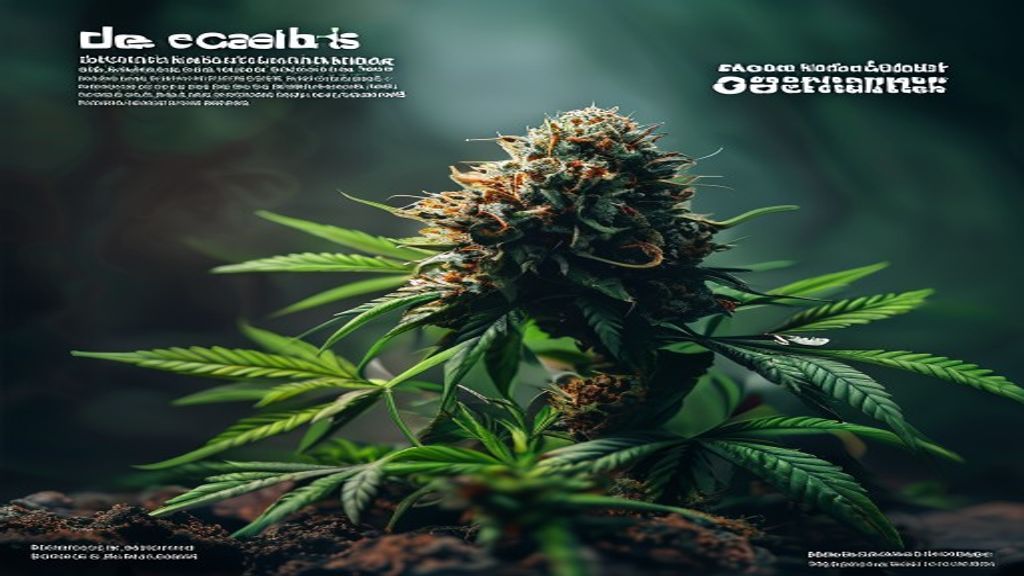
Hormonal Regulation and Phytochrome
The seed’s internal clock is regulated by proteins called phytochromes. These proteins sense the quality and quantity of light. In the absence of light, the plant undergoes skotomorphogenesis—a growth pattern characterized by the elongation of the hypocotyl (the stem) as it searches for the surface. Once the plant breaks the surface and senses light, the phytochromes trigger photomorphogenesis, slowing stem elongation and beginning leaf expansion.
Optimal Environmental Parameters for Successful Germination
While light is not a requirement, several other variables are non-negotiable for successful germination. Cultivators must balance moisture, temperature, and aeration to provide the embryo with the best possible start. The following table outlines the target ranges for these critical factors.
| Parameter | Ideal Range | Importance |
|---|---|---|
| Temperature | 70°F – 78°F (21°C – 25°C) | Speeds up enzymatic reactions. |
| Humidity | 70% – 90% | Keeps the seed coat soft for emergence. |
| Oxygen | High Porosity | Prevents anaerobic rot in the embryo. |
| Light Level | 0 Lumens (Total Darkness) | Mimics the natural subsurface environment. |
Transitioning from Seed to Seedling
The requirement for darkness ends the moment the hypocotyl arches above the soil and the cotyledons (seed leaves) unfold. At this exact juncture, light becomes the primary requirement for survival. Without immediate light exposure, the seedling will become “leggy,” stretching excessively and becoming structurally weak as it searches for a light source.
When the first hint of green appears above the substrate, introduce a mild light source, such as a fluorescent T5 bulb or a dimmed LED. This prevents “damping off” and ensures the plant begins photosynthesis immediately, transitioning from using stored energy to producing its own through the conversion of light energy.
Key Takeaways
- Light is unnecessary for the initial germination of cannabis seeds and may hinder the process.
- Moisture and temperature are the primary catalysts for breaking seed dormancy.
- Darkness promotes healthy root development and prevents the growing medium from drying out.
- Transition to light immediately once the seedling emerges from the soil to prevent stretching.
- Planting depth (roughly 0.5 inches) naturally provides the darkness the seed requires.
Frequently Asked Questions
Will my seeds germinate if I leave the lights on?
Seeds can still germinate under light if they are buried deep enough in the substrate to remain in darkness. However, if using the paper towel method or surface sowing, constant light can dry out the seeds and significantly lower your success rate. It is best practice to keep them in a dark cupboard or under a humidity dome with the lights off.
How deep should I plant the seed to ensure darkness?
A depth of approximately 1/4 to 1/2 inch (0.5 to 1.25 cm) is ideal. This depth provides enough soil cover to maintain darkness and moisture while ensuring the delicate seedling does not run out of stored energy before it reaches the surface and the light.
When exactly should I turn the lights on?
You should turn the lights on as soon as you see the seedling “neck” or the first set of leaves (cotyledons) breaking the surface of the soil. Introducing light at this stage triggers the end of elongation and the beginning of leaf development, ensuring a sturdy and healthy plant.
About the Author