Understanding the physiological development of Cannabis sativa L. requires an appreciation for its complex vegetative architecture, particularly its foliage. Cultivators and botanists often inquire exactly how many leaves on a cannabis plant can be expected during a standard growing cycle. While there is no singular, definitive integer that applies to every specimen, the leaf count is a dynamic variable heavily influenced by genetics, light intensity, and specific cultivation techniques. In a controlled environment, a single plant may develop anywhere from a few dozen to several hundred leaves, depending on its maturity and the duration of its vegetative phase. This foliage serves as the primary engine for photosynthesis, converting light energy into the chemical energy required to fuel floral development and secondary metabolite production. Monitoring leaf count and health is not merely an exercise in observation; it is a vital diagnostic tool for assessing plant vigor, transpiration rates, and nutrient uptake efficiency. This article examines the botanical factors that dictate leaf quantity, the structural differences between various leaf types, and how manual intervention through defoliation can significantly alter the final count for optimized harvest yields.
How Many Leaves on a Cannabis Plant: Factors Influencing Foliage Density
Determining How Many Leaves on a Cannabis Plant
The total number of leaves on a cannabis plant is primarily a function of its “nodes.” A node is a point on the stem where a branch or leaf emerges. Because cannabis typically exhibits opposite or alternate phyllotaxy, the number of leaves increases exponentially as the plant creates more branching sites. Genetics play the most significant role in determining the baseline leaf count, with some cultivars naturally producing denser, bushier canopies than others.
Environmental variables also dictate foliage volume. Plants grown under high-intensity discharge (HID) or high-quality LED lighting systems will produce more nodes and shorter internodal spacing, leading to a higher concentration of leaves. Conversely, plants reaching for light in low-intensity environments may have fewer leaves and stretched stems. In a typical indoor grow, a plant in mid-vegetation might support 50 to 150 fan leaves, whereas a large outdoor plant can easily exceed 1,000 leaves.
Leaf Development Across Growth Stages
The lifecycle of the plant determines the rate at which new foliage appears. During the seedling stage, the plant focuses on establishing its first few sets of true leaves. Once it enters the vegetative stage, the rate of leaf production accelerates as the root system expands and the plant’s photosynthetic capacity increases. This is the period where the question of how many leaves on a cannabis plant becomes most relevant for canopy management.
| Growth Stage | Estimated Leaf Count (Indoor) | Primary Leaf Function |
|---|---|---|
| Seedling | 2 – 10 | Initial energy capture and root establishment |
| Early Vegetative | 15 – 50 | Rapid biomass accumulation and structural growth |
| Late Vegetative | 100 – 300+ | Maximized photosynthesis to prepare for flowering |
| Flowering | Variable (due to pruning) | Supporting bud development and resin production |
Morphological Differences and Leaf Types
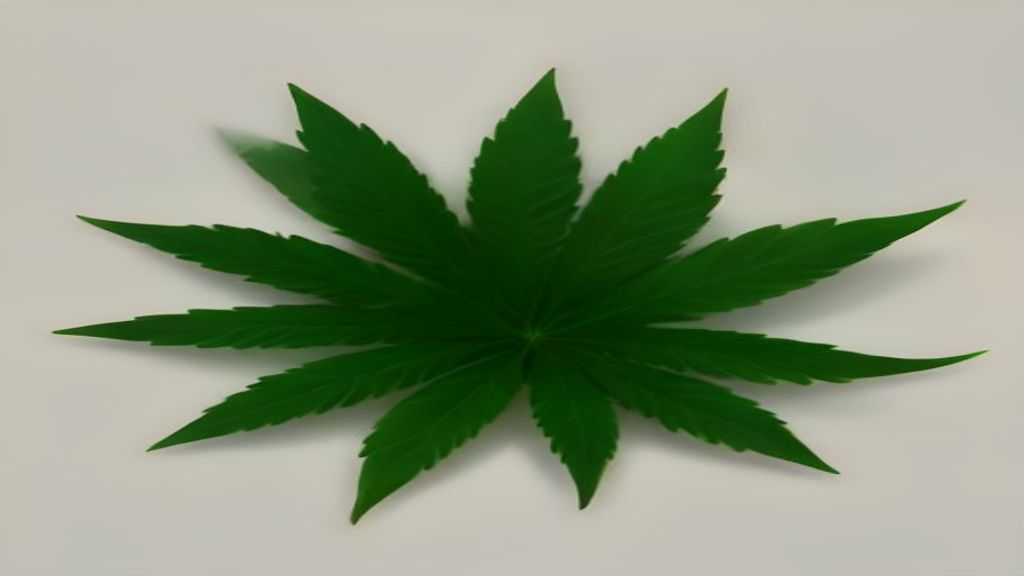
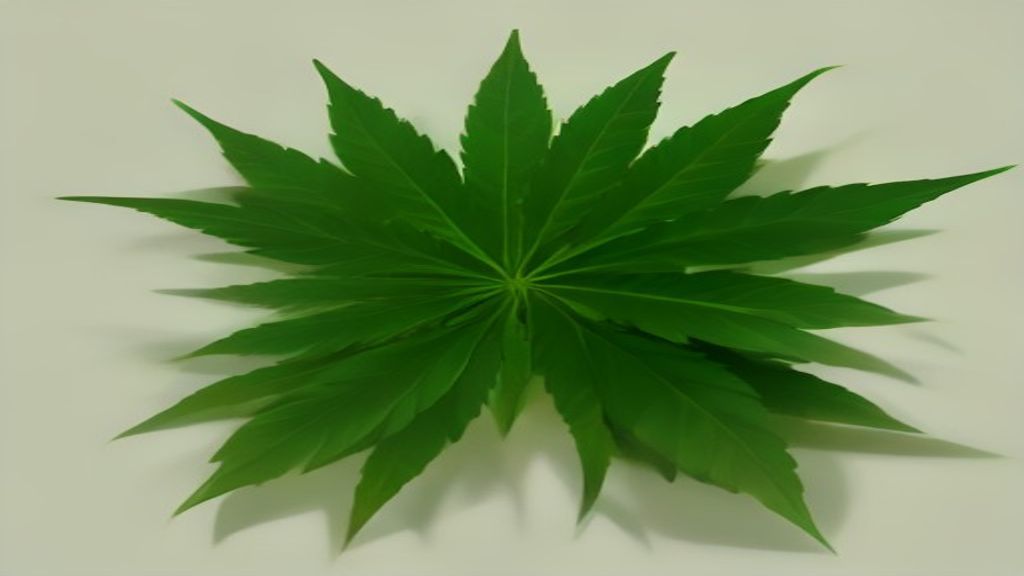
Not all leaves on a cannabis plant are identical in form or function. The most recognizable are the large “fan leaves,” which act as solar panels. As the plant transitions into the flowering phase, it produces “sugar leaves.” These are smaller, resin-coated leaves that emerge from the inflorescences (buds). The ratio of fan leaves to sugar leaves shifts dramatically as the plant matures, and the total leaf count usually peaks just before the transition to flower.
The following table compares the characteristics of these two primary leaf types:
| Feature | Fan Leaves | Sugar Leaves |
|---|---|---|
| Size | Large, broad surface area | Small, narrow, and pointed |
| Location | Attached to main stems and branches | Tucked within the flower clusters |
| Resin Content | Low to negligible | High (covered in trichomes) |
| Pruning Priority | Often removed for airflow | Usually kept until harvest/trim |
Managing Leaf Count for Maximum Yield
In modern cultivation, the goal is often not to maximize the number of leaves, but to optimize their placement. High leaf counts can lead to a dense canopy that traps humidity and prevents light from reaching lower bud sites. This is why many growers practice defoliation—the strategic removal of leaves to improve air circulation and light penetration.
Strategic defoliation can reduce the total leaf count by 20% to 50% at specific intervals. By removing the largest fan leaves that shade potential flower sites, the plant reallocates its energy to the developing buds. This process demonstrates that the quality and positioning of leaves are often more important than the raw quantity. Proper management ensures that every remaining leaf is working efficiently to support the plant’s reproductive goals.
Key Takeaways:
Frequently Asked Questions
Should I pull off leaves that are turning yellow?
If a leaf is more than 50% yellow or damaged, it is likely no longer contributing energy to the plant. These leaves can become a host for pathogens. Removing them allows the plant to focus resources on healthy, green foliage. However, ensure the yellowing isn’t a sign of a larger nutrient deficiency before simply plucking the leaves.
How many leaves can I safely remove during defoliation?
Most experienced growers recommend removing no more than 20-30% of the fan leaves at one time. Removing too many leaves can cause significant stress, stalling growth or potentially causing the plant to hermie. It is best to perform major defoliation once in late vegetation and once again around the third week of flowering.
Do more leaves always mean more buds?
Not necessarily. While a high leaf count indicates a healthy vegetative state, an overly dense canopy can shade out lower branches, leading to “larf” or underdeveloped popcorn buds. The key is finding a balance where there are enough leaves to fuel growth, but enough space for light to reach the interior of the plant.
Why do some leaves have more “fingers” than others?
The number of leaflets (fingers) on a cannabis leaf is an indicator of plant maturity and health. Seedlings start with one or three leaflets, while healthy adult plants usually produce leaves with five, seven, nine, or even eleven leaflets. Environmental stress can sometimes cause a plant to revert to producing fewer leaflets.
About the Author