
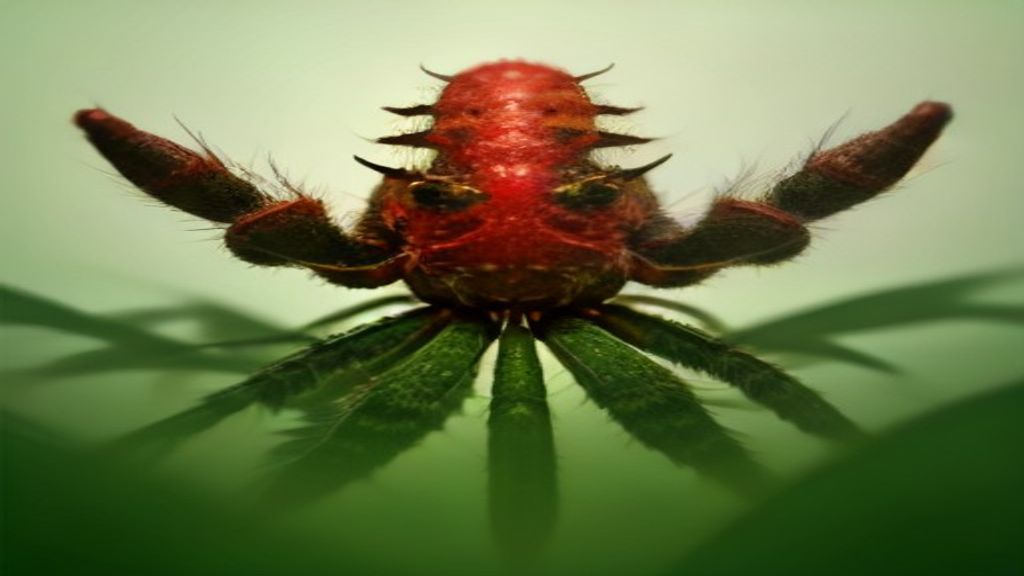
Understanding how to get rid of spider mites on cannabis is a critical competency for any serious cultivator, as these arachnids—specifically the two-spotted spider mite (Tetranychus urticae)—can devastate a crop in mere days. These microscopic pests thrive in the warm, dry environments typically maintained in indoor grow rooms, where they feed on the chlorophyll of the host plant. The primary indicator of their presence is chlorotic stippling, which manifests as tiny yellow or white spots on the upper leaf surface caused by the mites piercing plant cells to consume their contents. If left unmanaged, the infestation progresses to the production of fine silken webbing, which protects the colony and signifies a severe level of damage that can stunt growth and ruin flower quality. Because spider mites have developed significant resistance to many commercial pesticides, a multi-faceted Integrated Pest Management (IPM) strategy is required. This approach combines cultural controls, biological interventions, and targeted organic sprays to ensure the total eradication of the population across all life stages, from eggs to reproductive adults.
Advanced Strategies on How to Get Rid of Spider Mites on Cannabis
Early Identification and Lifecycle Dynamics
Effective eradication begins with understanding the biological clock of the pest. Spider mites are not insects but arachnids, characterized by their eight legs and ability to spin silk. Their reproductive rate is exponentially linked to temperature; in a grow room hovering around 80°F, a single female can lay up to 100 eggs, which hatch and reach maturity in less than a week. This rapid turnover allows populations to explode before the cultivator notices physical webbing.
Recognizing the Signs of Infestation
The earliest sign of spider mites is often mistaken for a nutrient deficiency. Small, pale dots appear on the fan leaves where the mites have extracted cellular fluids. To confirm the presence of mites, cultivators should use a 30x or 60x jeweler’s loupe to inspect the undersides of the leaves, where the colony typically resides. You are looking for moving translucent, yellow, or reddish specks and tiny spherical eggs nestled against the leaf veins.
The Danger of Webbing
By the time webbing is visible to the naked eye, the infestation has reached a critical threshold. The webbing serves as a highway for the mites to move between plant sites and acts as a barrier against foliar sprays. At this stage, the plant’s photosynthetic capacity is severely compromised, and the risk of the mites migrating to the resinous flowers becomes a primary concern for harvest quality.
Proven Strategies for How to Get Rid of Spider Mites on Cannabis
When determining how to get rid of spider mites on cannabis, a rotating schedule of treatments is the most effective way to prevent the mites from developing chemical resistance. If you use only one product, the survivors will produce offspring that are immune to that specific mode of action. A robust treatment plan usually involves physical removal, organic contact killers, and suffocants.
The first step in any active infestation is a mechanical knockdown. Using a pH-balanced water spray with high pressure can physically dislodge a significant portion of the population. Following this, an application of insecticidal soaps or horticultural oils—such as neem oil or soybean oil—can be used to coat the remaining mites and eggs, effectively suffocating them.
| Treatment Type | Mechanism of Action | Best Use Stage |
|---|---|---|
| Horticultural Oils | Suffocation and egg disruption | Vegetative stage only |
| Predatory Mites | Natural predation of all life stages | Early infestation / Prevention |
| Essential Oil Sprays | Neurotoxicity and repellent | Vegetative stage |
| Physical Knockdown | Manual removal via water pressure | All stages (with caution) |
Biological Controls and Predatory Species
Biological control involves introducing natural enemies to the grow space to manage the pest population. This is often the preferred method for organic growers or those in the mid-to-late flowering stage when chemical sprays are no longer an option due to the risk of contaminating the buds. Phytoseiulus persimilis is the most common predatory mite used to combat two-spotted spider mites; these predators are highly aggressive and specifically target the pest species without harming the plant.
Implementing Integrated Pest Management (IPM)
Successful IPM requires the maintenance of an environment that favors the predator over the prey. While spider mites thrive in dry conditions (low humidity), many predatory species require a relative humidity of at least 60% to remain active and reproductive. Introducing Neoseiulus californicus is another tactical choice, as they can survive longer periods without food and tolerate higher temperatures than P. persimilis.
| Temperature (°F) | Mite Lifecycle Duration | Reproductive Potential |
|---|---|---|
| 60°F | Approx. 30 days | Low |
| 75°F | Approx. 12 days | Moderate |
| 85°F+ | 5 to 7 days | Extreme |
Environmental Management and Prevention
The most efficient way to manage spider mites is to prevent their entry into the cultivation area. Mites are frequently introduced by the grower via contaminated clothing, tools, or clones brought in from external sources. Implementing a strict quarantine protocol for all new plant material is mandatory. New clones should be isolated and treated with a preventative dip for at least 14 days before being introduced to the main garden.
Furthermore, managing the grow room temperature and airflow can significantly inhibit mite proliferation. Lowering the temperature to the low 70s and increasing air circulation makes it difficult for the mites to settle and reproduce. Maintaining clean floors, removing dead plant matter immediately, and using HEPA filtration on intake fans will further reduce the likelihood of an outbreak.
Key Takeaways
- Vigilance is paramount: Inspect the undersides of leaves daily with magnification.
- Rotation is key: Never rely on a single organic spray; rotate between oils, soaps, and biologicals.
- Environmental control: Keep temperatures moderate and humidity controlled to slow the mite lifecycle.
- Strict Quarantine: Never introduce outside clones directly into your primary grow space.
How often should I spray for spider mites?
During an active infestation, you should spray every 2 to 3 days. This frequency is necessary because most organic sprays do not kill the eggs. By spraying every few days, you catch the newly hatched larvae before they reach reproductive maturity, eventually breaking the lifecycle.
Can I use neem oil during the flowering stage?
It is generally advised to avoid applying neem oil or any heavy horticultural oils once the cannabis plant has begun developing flowers. The oils can become trapped in the dense buds, affecting the flavor and aroma (terpene profile) and potentially posing health risks when the final product is consumed.
Are spider mites visible to the naked eye?
While an experienced grower might spot them as tiny moving specks, they are difficult to see clearly without magnification. They typically appear as microscopic dots of red, yellow, or green. If you see webbing, the population is already in the thousands.
What is the “Borg” spider mite?
The term “The Borg” is used by the cannabis community to describe spider mites that have developed extreme resistance to common miticides. These populations are notoriously difficult to eradicate and often require a total system teardown and sterilization of the grow environment.
About the Author