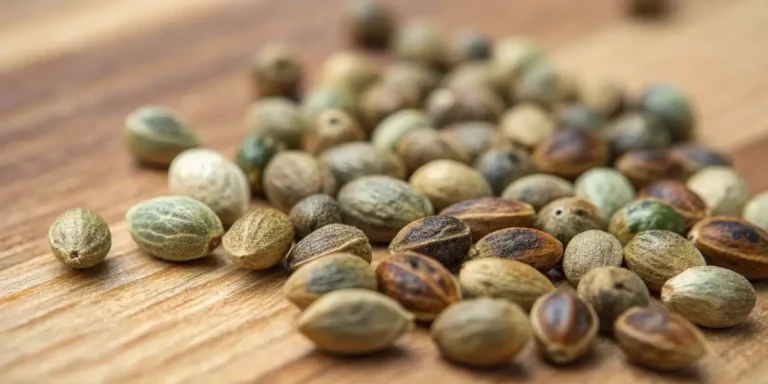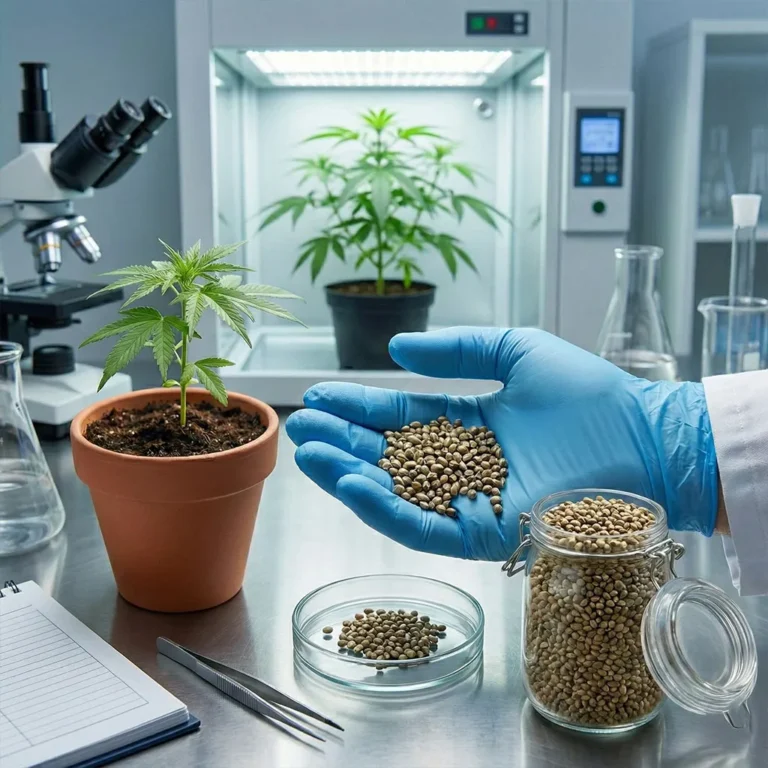
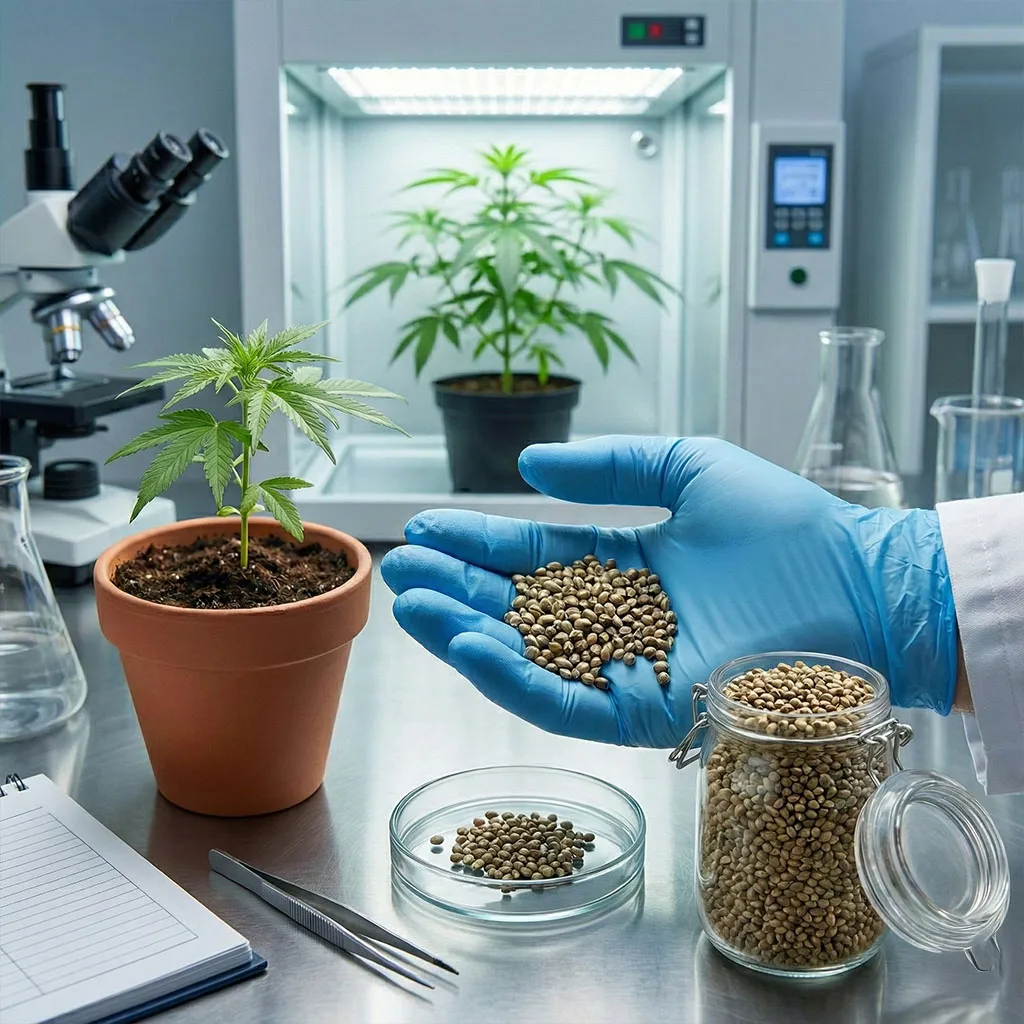
The preservation of plant genetics represents a cornerstone of agricultural expertise, particularly for cultivators seeking to maintain rare landrace strains or prized hybrids over several years. Cannabis seeds are biologically programmed for survival, yet their viability—the ability to germinate and produce vigorous seedlings—diminishes significantly when exposed to environmental stressors. Understanding how to store cannabis seeds long term requires a nuanced grasp of embryonic dormancy and the biochemical factors that trigger metabolic activity. In their natural state, seeds are robust, but they remain sensitive to oxidative degradation and cellular breakdown if stored improperly. For the serious collector or commercial breeder, the objective is to induce a state of deep quiescence, effectively slowing the biological clock without causing cellular damage. This process involves precise manipulation of temperature, atmospheric moisture, and ultraviolet exposure to ensure that the genetic blueprint remains intact. By implementing rigorous storage protocols, a cultivator can extend the shelf life of their inventory from a few months to several years, safeguarding both financial investments and irreplaceable genetic heritage.
Mastering Seed Longevity: How to Store Cannabis Seeds Long Term
The Biological Foundation of Seed Viability
To successfully preserve cannabis seeds, one must first recognize that the seed is a living organism containing an embryo, a food supply (the endosperm), and a protective outer layer (the testa). While the seed appears inert, it maintains a very low level of metabolic activity. This activity is what keeps the embryo alive until favorable conditions—moisture, heat, and oxygen—trigger the germination process.
The degradation of a seed occurs when its internal energy reserves are exhausted or when cellular membranes are damaged by external factors. High temperatures accelerate metabolic consumption, while fluctuations in humidity can lead to fungal pathogens or premature chemical signaling for growth. Maintaining genetic integrity over years requires the stabilization of these internal processes through external environmental management.
Essential Environmental Controls for How to Store Cannabis Seeds Long Term
Achieving long-term stability hinges on four primary variables: light, temperature, humidity, and oxygen exposure. Any inconsistency in these variables can shock the embryo, leading to a precipitous drop in germination rates. Consistency is often more important than the absolute value; for instance, a steady temperature of 10°C is far superior to a temperature that fluctuates between 2°C and 15°C.
The Critical Role of Relative Humidity
Humidity is perhaps the most dangerous factor in seed storage. If relative humidity (RH) is too high (above 15%), seeds may begin to swell or develop internal mold. Conversely, if seeds are kept in an environment that is too dry (below 5%), they may suffer from desiccation, where the cellular structures become too brittle to survive the eventual rehydration process. The industry standard for long-term storage is a relative humidity of approximately 8% to 10%.
Utilizing Desiccants for Moisture Regulation
To achieve these low humidity levels, cultivators often utilize desiccants such as silica gel packets. These packets absorb ambient moisture within a sealed container. However, it is vital to monitor these desiccants; once they reach capacity, they no longer provide protection. Using color-indicating silica beads allows for visual confirmation of the internal environment’s status.
| Factor | Ideal Range | Impact of Improper Control |
|---|---|---|
| Temperature | 4°C to 8°C (Refrigerated) | Metabolic exhaustion; cellular breakdown |
| Humidity | 8% to 12% RH | Fungal growth or embryonic desiccation |
| Light | Total Darkness | UV degradation of genetic material |
| Oxygen | Minimized / Vacuum Sealed | Oxidative stress and aging |
Methodology: From Short-Term to Archival Storage
The approach to storage should be dictated by the intended duration of the preservation. For seeds intended for use within the same growing season, a dark cupboard may suffice. However, for those aiming for multi-year preservation, more sophisticated methods are required. The use of high-quality materials is non-negotiable for anyone serious about genetic archiving.
When selecting a container, glass is often preferred over plastic for medium-term storage because plastic can be slightly porous over long periods. For absolute archival storage, Mylar bags are the gold standard. Mylar is nearly impermeable to gas and light, providing an excellent barrier when heat-sealed with an oxygen absorber.
| Storage Method | Duration | Equipment Required |
|---|---|---|
| Cool/Dark Cabinet | 6–12 Months | Opaque jar, cool room |
| Refrigeration | 2–5 Years | Airtight glass jar, silica gel |
| Cryogenic/Freezer | 5–10+ Years | Vacuum-sealed Mylar, professional freezer |
If choosing to use a freezer for archival purposes, the seeds must be professionally dried to the correct moisture content first. If the internal moisture is too high, ice crystals will form and rupture the cellular walls, effectively killing the seed. This method is generally reserved for advanced preservationists who have the means to slowly thaw the seeds before germination.
Key Takeaways for Long-Term Preservation
- Darkness is absolute: UV rays damage the biological precursors required for healthy growth.
- Minimize handling: Every time a storage container is opened, the seeds are exposed to fresh oxygen and humidity.
- Labeling is vital: Always record the date, strain name, and original breeder on the exterior of the container.
- Avoid the “Crisper” drawer: Refrigerator drawers often have high humidity fluctuations; use the back of a shelf instead.
Frequently Asked Questions
Can I store seeds in the freezer?
Yes, but it is risky for beginners. The seeds must be extremely dry (under 8% RH) before freezing to prevent ice crystal formation. Furthermore, the thawing process must be gradual to prevent the seeds from cracking due to thermal shock.
Does light damage cannabis seeds?
Light, particularly in the UV spectrum, triggers chemical reactions that degrade the delicate proteins and hormones inside the seed. Always use opaque containers or store transparent jars inside a secondary light-proof box.
How long can cannabis seeds remain viable?
Under ideal conditions (refrigerated and humidity-controlled), cannabis seeds can remain viable for five years or more. Some professional gene banks have reported successful germination after a decade, though the germination rate naturally declines over time.
About the Author