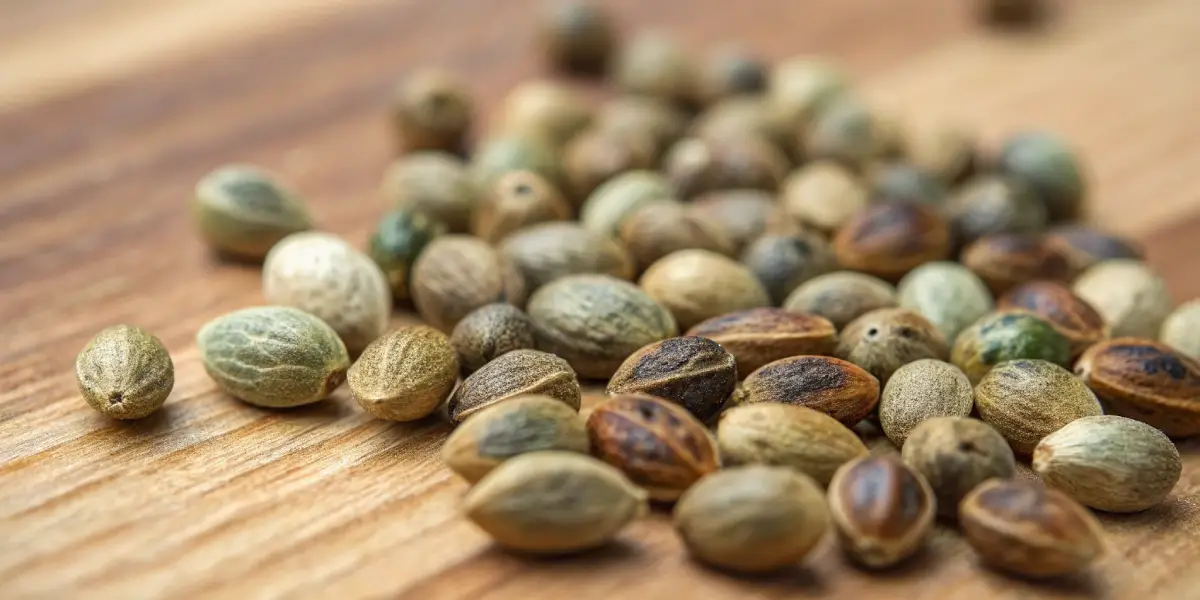
Understanding what does cannabis seeds look like is a fundamental skill for any cultivator or botanical enthusiast. While often overlooked due to their diminutive size, the physical characteristics of a seed provide essential data regarding its genetic lineage, maturity level, and overall viability. A healthy cannabis seed typically presents as a small, teardrop-shaped vessel, roughly the size of a matchstick head, although dimensions can vary between specific cultivars. Its aesthetic qualities, ranging from deep brown hues to intricate tiger-stripe patterns, are more than mere decoration; they are indicators of a well-developed protective coating known as the testa. Recognizing these visual markers allows cultivators to differentiate between high-quality germinable stock and immature, sterile seeds that will likely fail in the substrate. Beyond color and shape, the tactile sensation—specifically the hardness of the outer shell—serves as a primary metric for determining whether the seed is ready for the germination process or if it was harvested prematurely. This guide explores the nuanced physical properties of cannabis seeds, offering a comprehensive anatomical breakdown to ensure you can identify premium genetics with confidence.
Identifying Quality: What Does Cannabis Seeds Look Like?
The Physical Morphology of Cannabis Seeds
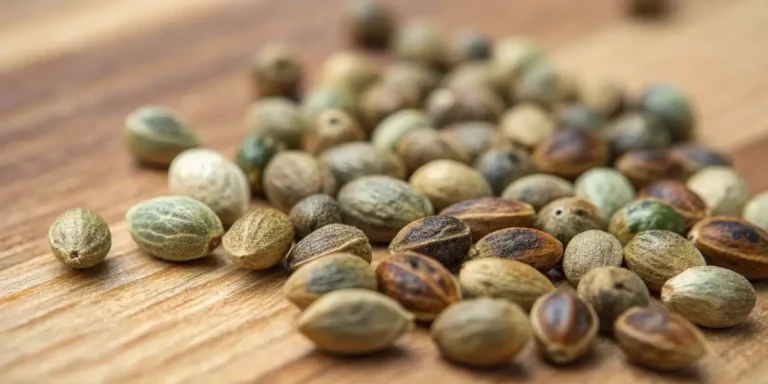
The primary aesthetic of a cannabis seed is defined by its ovoid or teardrop shape. One end is generally rounded, while the other tapers slightly to a point where it was originally attached to the mother plant’s bract. This attachment point is often referred to as the hilum. Most seeds measure between 2 and 5 millimeters in length, though Sativa-dominant varieties may produce smaller, more spherical seeds compared to the larger, flatter seeds often found in Indica-dominant lineages.
Coloration is perhaps the most striking feature when observing the exterior. Mature seeds exhibit a palette of earthy tones, including charcoal, light tan, deep chocolate brown, and occasionally subtle olive greens. A key feature to look for is the presence of “tiger stripes” or mottling. These dark, irregular streaks or spots are actually layers of cellular tissue that indicate the seed reached full physiological maturity before being harvested. A waxy, reflective sheen often covers the surface, serving as a protective cuticle that prevents the internal embryo from desiccation.
Variations in Pattern and Texture
While patterns are common, they are not universal. Some high-quality genetics produce solid-colored seeds with no mottling at all. The texture should always feel smooth and remarkably hard to the touch. If a seed looks dull, dusty, or has a matte finish without any luster, it may be aged or stored in sub-optimal conditions, leading to a degradation of the internal oils and embryo health.
Distinguishing Factors by Genetic Lineage
It is a common misconception that one can determine the specific strain or cannabinoid content simply by looking at the seed. However, broad categorical differences exist. Large, robust seeds with thick shells are frequently associated with landrace Indica varieties from rugged climates, whereas smaller, darker seeds are often seen in tropical Sativa strains. These physical adaptations evolved to protect the genetic material from specific environmental stressors in their regions of origin.
Visual Indicators of Seed Viability and Maturity
To determine if a seed is worth the effort of cultivation, one must look for specific signs of health. A viable cannabis seed should appear “plump” and feel heavy for its size. If the seed appears shriveled, sunken, or has visible cracks in the testa, it is likely non-viable. The integrity of the outer shell is paramount; any breach allows oxygen and moisture to enter prematurely, which can trigger the death of the embryonic plant through oxidation or fungal pathogens.
Color is the most immediate giveaway of immaturity. Green or white seeds are almost universally non-viable. This coloration indicates that the seed was harvested before the embryo and the surrounding endosperm had fully developed. These seeds are soft to the touch and will easily collapse when slight pressure is applied between the thumb and forefinger. In contrast, a mature seed will withstand significant pressure without breaking, signifying a fully lignified shell designed to protect the life within for extended periods.
Comparing Seed Quality and Characteristics
Distinguishing between high-quality seeds and low-quality “bag seed” requires a systematic approach. Use the following comparison to evaluate your stock.
| Feature | Mature/Viable Seed | Immature/Non-Viable Seed |
|---|---|---|
| Color | Dark brown, tan, or grey | Bright green, pale white, or translucent |
| Pattern | Striated (tiger stripes) or solid dark | No pattern or very faint spots |
| Texture | Hard, smooth, and waxy sheen | Soft, spongy, or paper-like |
| Shape | Full, rounded, and symmetrical | Flat, shriveled, or crushed |
Anatomical Structure of the Cannabis Seed
The external appearance is merely the protective housing for a complex biological system. The cannabis seed is a “dicotyledon,” meaning it contains two embryonic leaves. Below is a breakdown of the internal and external components that define the seed’s structure.
| Component | Description | Functional Purpose |
|---|---|---|
| Testa | The hard outer seed coat | Protects the embryo from mechanical damage and pests. |
| Endosperm | The nutrient-rich tissue inside | Provides the initial energy source for the germinating plant. |
| Radicle | The embryonic primary root | The first part of the plant to emerge during germination. |
| Cotyledons | The initial seed leaves | Perform photosynthesis until the first true leaves develop. |
Key Takeaways:
- Mature seeds are typically dark brown or grey with a waxy luster.
- Avoid seeds that are white or green, as they are immature and unlikely to sprout.
- “Tiger stripes” are a common sign of maturity but are not present in every strain.
- A firm, hard shell is the best indicator that the embryo is well-protected.
- Size and shape vary by genetics but generally remain within a 2-5mm range.
Frequently Asked Questions
Can you tell if a seed is male or female by looking at it?
No, it is a biological impossibility to determine the sex of a cannabis plant by visually inspecting the seed. The genetic markers for sex are contained within the DNA of the embryo and do not manifest in the physical morphology of the seed coat. Only through genetic testing or growing the plant to its pre-flowering stage can the sex be confirmed.
Do larger seeds produce bigger plants?
There is no direct correlation between seed size and the final size or potency of the plant. Seed size is largely determined by the mother plant’s health and the specific genetic lineage. A very small seed from a high-potency Sativa can produce a massive plant, while a large seed from a ruderalis variety may result in a much smaller specimen.
Why do some cannabis seeds have tiger stripes while others don’t?
Tiger stripes are remnants of the perisperm layer and are influenced by the seed’s contact with the bract during development. While they often indicate that a seed has reached full maturity, their absence does not necessarily mean a seed is bad. Some cultivars are genetically predisposed to produce solid-colored seeds even when fully matured.
How long do cannabis seeds maintain their appearance and viability?
Under ideal conditions—cool, dark, and dry—seeds can maintain their appearance and viability for several years. However, over time, the waxy sheen may fade, and the shell may become more brittle. If seeds are exposed to high humidity, they may darken significantly or develop mold, rendering them useless for cultivation.
About the Author