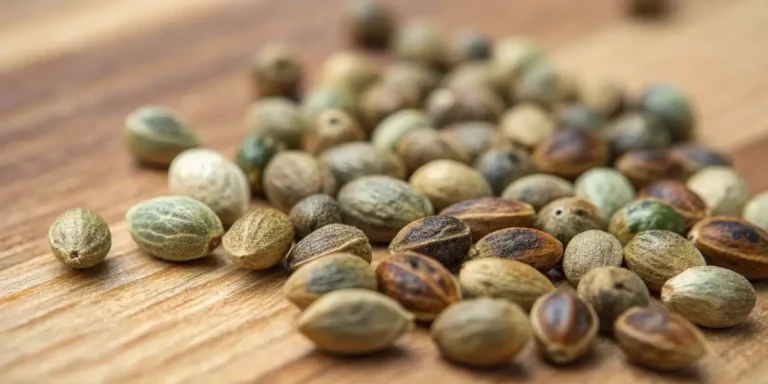
The olfactory profile of high-quality cannabis is defined by a complex synergy of volatile organic compounds known as terpenes. When these aromatic molecules are preserved correctly, they produce the pungent, skunky, or fruity scents associated with premium flower. However, many cultivators and enthusiasts frequently encounter a discouraging scenario where their harvest lacks these characteristic aromas, leading them to ask: why does my cannabis smell like hay? This grassy, hay-like scent is rarely a result of the plant’s genetics; rather, it is a physiological indicator that the post-harvest transition has been compromised. The primary culprit is the incomplete degradation of chlorophyll, the green pigment responsible for photosynthesis. When chlorophyll does not break down properly during the drying and curing phases, it masks the delicate terpene profile, resulting in a product that smells more like a freshly mowed lawn than a connoisseur-grade botanical. Understanding the biological mechanisms behind this transformation is essential for anyone looking to produce or identify high-quality cannabis that retains its full therapeutic and sensory potential.
Understanding Terpene Preservation: Why Does My Cannabis Smell Like Hay?
The Biological Basis of the Hay Smell
To understand why cannabis loses its aromatic complexity, one must first understand the role of chlorophyll. During the vegetative and flowering stages, chlorophyll is vital for energy production. However, once the plant is harvested, it begins a process of senescence where it slowly dies and consumes its remaining nutrient reserves.
Chlorophyll contains high levels of magnesium and nitrogen, which produce a distinctively bitter and “green” scent when they remain in the plant tissue. For the flower to develop its intended aroma, this chlorophyll must be allowed to oxidize and break down into sugars and other harmless compounds. If this process is interrupted, the grassy smell becomes permanent.
Environmental Factors: Why Does My Cannabis Smell Like Hay During Drying?
The drying phase is the most critical window for determining the final scent of the flower. If the environment is not strictly controlled, the plant’s metabolic processes can be halted prematurely, effectively “locking in” the hay smell.
The Danger of Flash Drying
One of the most common mistakes is drying the flower too quickly. High temperatures or excessively low humidity cause the exterior of the buds to harden, creating a “moisture lock” where the internal moisture is trapped.
When the exterior dries too fast, the enzymatic activity required to break down chlorophyll ceases. The moisture that should have slowly evaporated—carrying the breakdown products of chlorophyll with it—remains stagnant inside the flower. This results in a crisp exterior that smells like hay and a moist interior that is prone to mold.
The Importance of Ambient Conditions
Professional cultivators often adhere to the “60/60 rule,” which refers to maintaining a temperature of 60°F and a relative humidity (RH) of 60%. These conditions provide a slow, steady evaporation rate that favors chemical maturation.
- Temperature Control: Heat is the enemy of terpenes. High temperatures volatilize the light-weight monoterpenes, leaving the flower scentless.
- Humidity Management: If RH drops below 50%, the drying process accelerates too rapidly for chlorophyll degradation.
- Airflow: Indirect airflow is necessary to prevent stagnant air, but direct fans can cause uneven drying and terpene loss.
The Critical Role of the Curing Phase
Curing is essentially a controlled fermentation process. Once the buds are dry enough that the smaller stems “snap” rather than bend, they are placed in airtight containers to redistribute the remaining internal moisture.
Curing allows for the final breakdown of chlorophyll and the maturation of the terpene profile. Without this step, even perfectly dried cannabis may retain a slight grassy undertone. During the first two weeks of curing, the “burping” of jars—opening them periodically to exchange air—is vital to exhaust the gases produced by the breakdown of plant matter.
Comparison and Environmental Standards
The following table compares the two primary post-harvest phases to illustrate how they contribute to the final aromatic quality of the flower.
| Feature | Drying Phase | Curing Phase |
|---|---|---|
| Primary Goal | Removal of ~75% of water weight. | Controlled moisture redistribution and gas exchange. |
| Chemical Process | Initial chlorophyll oxidation. | Enzymatic breakdown of complex sugars and pigments. |
| Duration | 7 to 14 days. | 2 to 8 weeks. |
| Result of Failure | Trapped chlorophyll (Hay smell). | Harsh smoke and diminished potency. |
Maintaining specific metrics is non-negotiable for those seeking to avoid the hay smell. The table below outlines the professional industry standards for environmental control.
| Variable | Optimal Range | Impact on Scent |
|---|---|---|
| Drying Temperature | 60°F – 68°F | Preserves volatile monoterpenes. |
| Drying Humidity | 55% – 62% RH | Ensures steady chlorophyll degradation. |
| Curing Container RH | 58% – 62% RH | Keeps flower “alive” for chemical maturation. |
Prevention and Remediation Strategies
If you find that your cannabis already smells like hay, the options for remediation are limited but exist. The most effective “fix” is time. Continuing a proper cure for an additional 3 to 4 weeks can sometimes allow the remaining chlorophyll to dissipate, though the aromatic peak may never be reached if the initial dry was too fast.
- Slow the Dry: Increase the humidity or lower the temperature if the flower feels brittle within the first five days.
- Check Stem Snap: Only move to jars when the stems snap cleanly; if they bend, they are too wet and will smell like ammonia or hay in the jar.
- Use Humidity Packs: Two-way humidity control packs can help stabilize moisture levels during the cure to prevent over-drying.
Key Takeaways
- The hay smell is caused by incomplete chlorophyll breakdown during post-harvest processing.
- Drying cannabis too quickly (flash drying) locks in grassy scents and destroys volatile terpenes.
- Maintaining a consistent environment of 60°F and 60% humidity is the gold standard for quality.
- Curing is a mandatory step that allows for final chemical maturation and scent development.
Frequently Asked Questions
Can genetics cause a hay smell?
While some strains have “earthy” or “herbal” terpene profiles, no healthy cannabis strain is genetically predisposed to smell like dried hay or grass. If these scents are present, it is almost certainly a result of the drying or curing process.
Is hay-smelling cannabis safe to consume?
Generally, yes, provided there is no visible mold or an ammonia scent (which indicates bacterial growth). However, the smoking experience will be significantly harsher, and the flavor will be lackluster compared to properly cured flower.
How long should I cure to remove the grassy smell?
If the cannabis was dried properly, a minimum of two weeks is required for the grassy smell to fade. For optimal results, a four-to-six-week cure is recommended to allow the full terpene bouquet to emerge.
Does over-drying cause a hay smell?
Yes. If the plant material drops below 55% relative humidity too quickly, the biological processes that remove chlorophyll stop. Once the plant is too dry, it is very difficult to restart those enzymatic reactions, even if you rehydrate the buds.
About the Author