The botanical evolution of modern cannabis has produced remarkable hybrid cultivars designed for targeted aromatic and physiological profiles.
Permanent Gas Strain: Genetic Lineage, Chemical Profile, and Effects
The permanent gas strain represents a notable milestone in contemporary cannabis breeding, combining the sharp, pungent aromatic characteristics of classic diesel cultivars with modern high-potency genetics. Originating from elite parentage—crossing the acclaimed Permanent Marker lineage with heavy gas cultivars—this strain has quickly gained traction among connoisseurs and commercial growers. Its distinct chemical signature delivers an intense sensory experience characterized by industrial fuel, sour citrus, and earthy pine notes.
Beyond its striking olfactory qualities, the permanent gas strain delivers a robust physiological experience rooted in elevated cannabinoid concentrations. Operating typically at high THC thresholds, it offers a balanced interaction between cerebral stimulation and somatic relaxation. Understanding the lineage, cultivation requirements, and chemical composition of this cultivar provides valuable insights for consumers seeking specific therapeutic outcomes and growers aiming to optimize yield and terpene preservation.
Table of Contents
Genetic Origins of the Permanent Gas Strain
The pedigree of the permanent gas strain stems from selection processes aimed at enhancing terpene concentration and resin production. By pairing Permanent Marker with traditional fuel-heavy cultivars, breeders achieved a uniquely balanced hybrid appealing to modern preferences.
Breeding Objectives and Phenotypic Stability
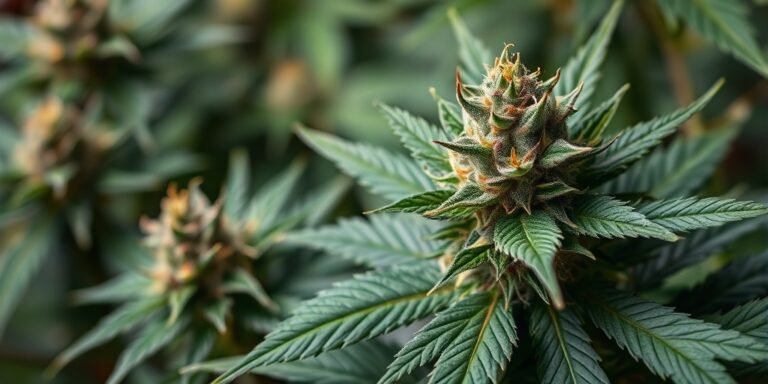
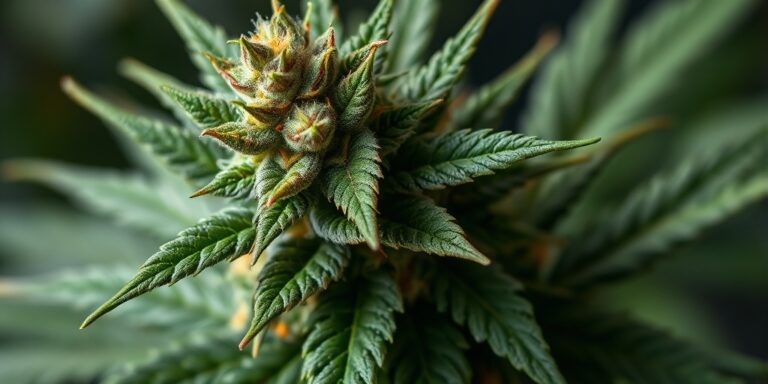
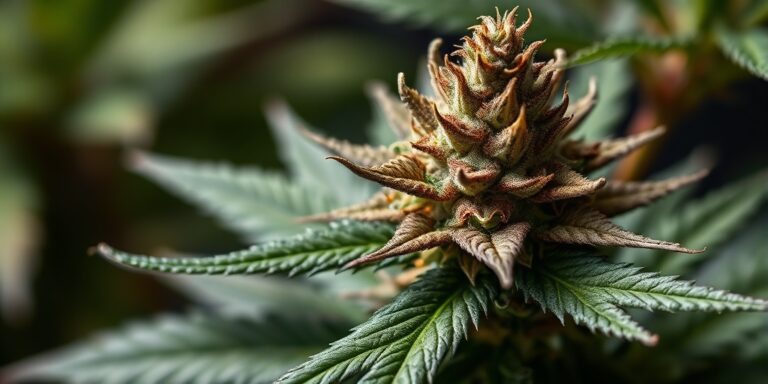
The primary goal during development was retaining the sharp hydrocarbon aroma of vintage diesel lines while integrating modern trichome density. Phenotypic expressions exhibit dense, purple-tinted calyxes covered in thick glandular trichomes.
The table below outlines core structural specifications of this cultivar.
| Attribute | Specification | Description |
|---|---|---|
| Genetic Lineage | Indica-Dominant Hybrid | Permanent Marker x Heavy Gas Lineage |
| Average THC Level | 25% – 30% | High potency requiring mindful dosage |
| Dominant Terpenes | Caryophyllene, Myrcene, Limonene | Fuel, pepper, citrus, and herbal notes |
| Flowering Time | 8 to 9 Weeks | Standard indoor flowering cycle |
Chemical Composition and Terpene Profile
The sensory identity of the permanent gas strain is defined by volatile organic compounds that act synergistically with cannabinoids via the entourage effect to modulate physiological responses. These compounds work together to establish the characteristic fuel-heavy scent while guiding cannabinoid uptake across blood-brain barriers.
Primary Terpene Breakdown
Individual terpenes contribute directly to aroma and effect:
- Beta-Caryophyllene: Binds to CB2 receptors, imparting spicy pepper notes and anti-inflammatory support.
- Myrcene: Provides sedating, earthy undertones that enhance muscular relaxation.
- Limonene: Adds sharp citrus notes while encouraging mood elevation.
Potency, Effects, and Applications
Due to high cannabinoid levels, the permanent gas strain induces rapid onset effects starting with mental clarity before transitioning into bodily calm.
Medical consumers utilize this strain for symptomatic relief. The synergy between high THC and beta-caryophyllene makes it effective for chronic discomfort and stress management.
- Initial Onset: Mild cerebral euphoria accompanied by creative focus.
- Mid-Phase: Physical relaxation spreads without immediate lethargy.
- Late Phase: Somatic unburdening that facilitates restorative sleep.
Cultivation Characteristics
Cultivating the permanent gas strain requires environmental control to preserve volatile terpenes. The plant exhibits moderate internodal spacing and responds well to canopy management like topping and SCROG.
Indoor growers should maintain humidity between 40% and 50% during late flower. CO2 supplementation during early bloom increases flower density and trichome coverage. Proper air circulation and carbon filtration are essential when managing this cultivar indoors due to its pervasive scent during the late flowering stage.
Comparative Analysis
Comparing the permanent gas strain to established fuel-forward strains provides valuable market context.
| Strain Feature | Permanent Gas | Sour Diesel | OG Kush |
|---|---|---|---|
| Aroma Profile | Gasoline, floral solvent, citrus | Pungent diesel, skunk | Earthy pine, fuel |
| Primary Effect | Cerebral uplift and body calm | Energizing euphoria | Heavy physical sedation |
| Trichome Density | Very High (Resin-rich) | Moderate | High |
| THC Content | 25% – 30% | 19% – 24% | 20% – 26% |
Key Takeaways
- High Potency: Tests between 25% and 30% THC for robust effects.
- Complex Aromatics: Rich in caryophyllene, myrcene, and limonene creating a distinct diesel profile.
- Balanced Impact: Combines cerebral engagement with progressive muscular relief.
- Cultivation Focus: Benefits from humidity control and canopy management.
Frequently Asked Questions
Is the permanent gas strain an indica or sativa hybrid?
It is an indica-dominant hybrid cultivar offering initial mental focus followed by deep body relaxation.
What does the permanent gas strain smell like?
It features a strong aroma of industrial fuel, chemical solvent undertones, tart citrus, and pine.
Is this strain recommended for novice users?
Due to high THC levels reaching 30%, beginners should approach dosage conservatively to prevent over-intoxication.
About the Author