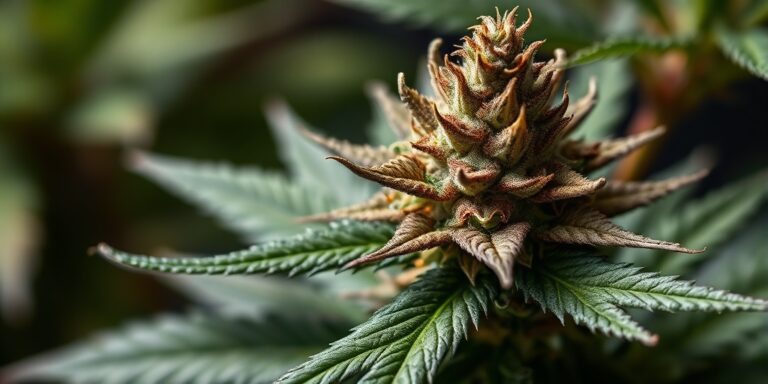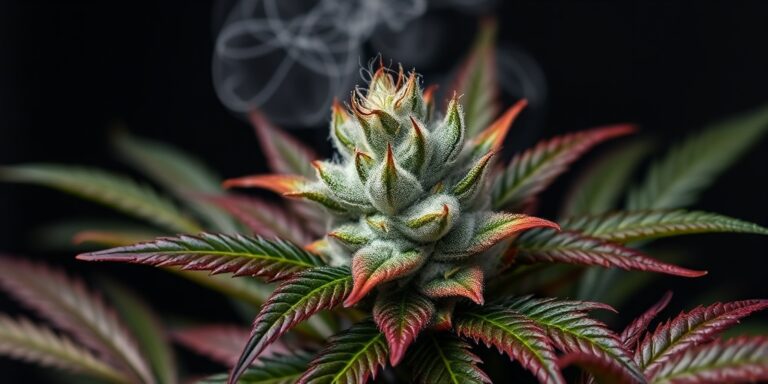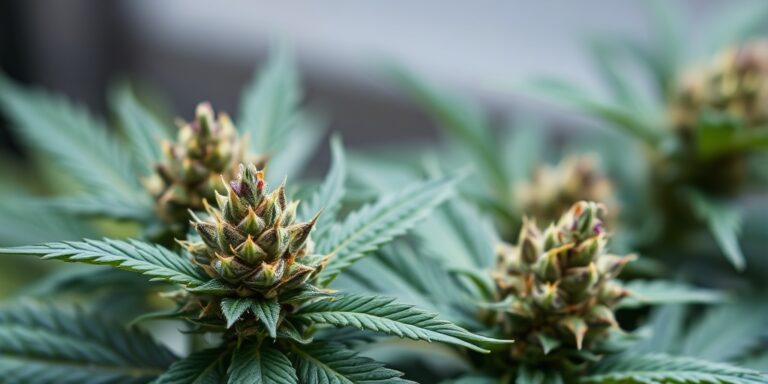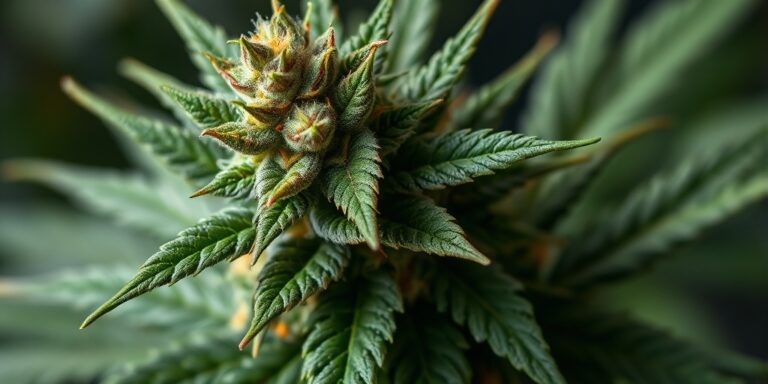
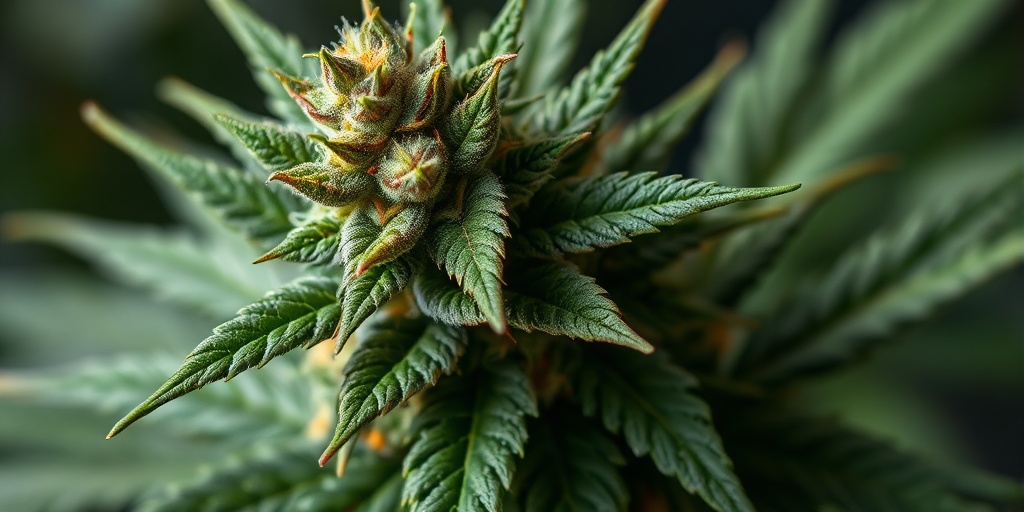
Modern cannabis hybridization constantly pushes the boundaries of organoleptic profiles and cannabinoid concentrations. Among recent standout hybrids, the sharpiez strain has garnered significant attention from connoisseurs and commercial cultivators alike. Developed by crossing high-potency lineages, this cultivar presents a distinct balance of intense solvent-like aromas, elevated tetrahydrocannabinol (THC) levels, and robust agronomic performance. Understanding the chemical composition, sensory characteristics, and ideal cultivation protocols of this strain provides valuable insights for consumers seeking targeted therapeutic outcomes and growers aiming for maximum canopy yield.
Sharpiez Strain: Genetic Profile, Terpenes, and Cultivation
The emergence of modern exotic cultivars has altered expectations regarding flower structure and aroma complexity. The sharpiez strain stands as a primary example of precise genetic selection, combining strong chemical and gas notes with underlying sweet, earthy undertones. This unique presentation is directly tied to its rich concentration of secondary metabolites, making it an exceptional candidate for full-spectrum extraction.
Table of Contents
Genetic Lineage and Chemical Profile of the Sharpiez Strain
The heritage of this cultivar relies on crossing elite contemporary polyhybrids, notably integrating genetics from renowned lines like Permanent Marker. This lineage yields a balanced hybrid phenotype with elevated resin density and structural integrity. The cannabinoid concentration typically ranges between 24% and 29% total THC, making it a highly potent option.
Parentage and Breeding Background
By combining distinct parent strains, breeders successfully stabilized traits favoring heavy trichome coverage and dense floral architecture. The resulting offspring exhibits tight internodal spacing and vigorous vegetative development, allowing for efficient canopy management.
Phenotypic Variations
Growers frequently report two main phenotypes: one leaning toward a heavier indica-style bud density with deep purple pigmentation, and another displaying a slightly taller sativa-leaning structure with enhanced calyx ratios.
| Metric | Specification Detail |
|---|---|
| Genetic Classification | Balanced Hybrid (50% Indica / 50% Sativa) |
| Average THC Content | 24% – 29% |
| CBD Content | < 1.0% |
| Dominant Terpenes | Beta-Caryophyllene, Limonene, Myrcene |
| Flowering Time | 8 to 9 Weeks |
Aroma, Flavor, and Terpene Analysis
The organoleptic qualities of this cultivar are immediately recognizable due to a sharp, chemical-forward nose blended with sour citrus and dank fuel. The synergy between specific monoterpenes and sesquiterpenes drives both its pungent scent and flavor nuances.
Key terpenes contributing to this profile include:
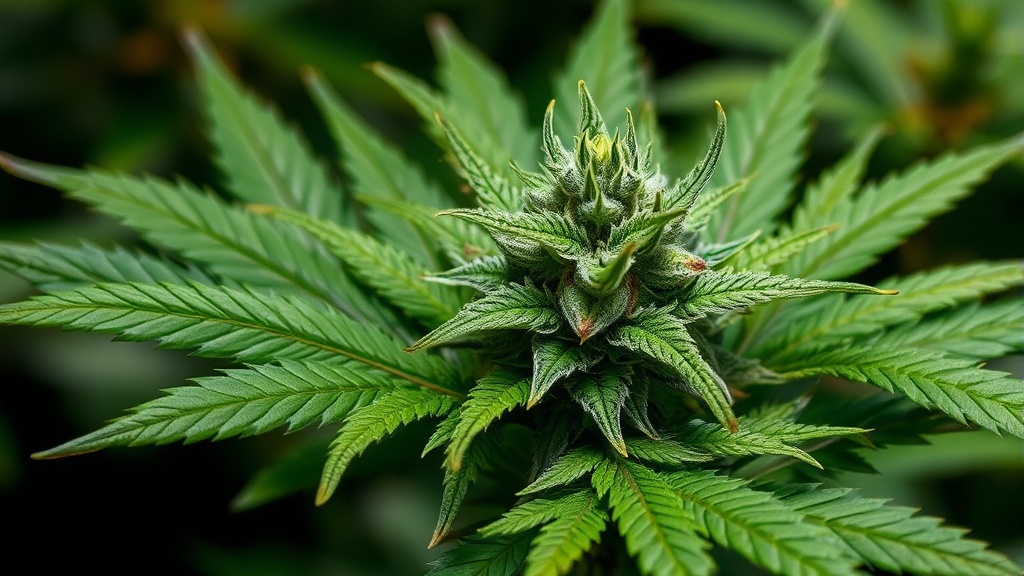
- Beta-Caryophyllene: Delivers spicy, pepper-like notes while interacting with peripheral CB2 receptors to modulate inflammation.
- Limonene: Adds sharp citrus highlights and contributes to elevated mood and stress reduction.
- Myrcene: Provides herbal, earthy notes that facilitate cannabinoid absorption across the blood-brain barrier.
| Feature | Sharpiez Strain | Standard Commercial Hybrid |
|---|---|---|
| Aroma Profile | Pungent gas, chemical solvent, sour citrus | Generic pine, sweet floral, mild earth |
| Trichome Density | Extremely high (ideal for extraction) | Moderate to high |
| Potency Range | High (24%–29% THC) | Moderate (18%–22% THC) |
Therapeutic Applications and Experiential Effects
Consuming this strain results in a rapid onset of cerebral stimulation followed by a creeping muscular relaxation. Because of its balanced heritage, it provides functional cognitive clarity without inducing immediate sedation when consumed in moderate doses.
- Stress Reduction: The initial euphoric wave assists in dampening mental fatigue and hyperactive thought patterns.
- Pain Management: High levels of caryophyllene work in tandem with THC to soothe chronic joint discomfort.
- Appetite Stimulation: Intermediate effects frequently induce mild appetite enhancement, helping individuals with decreased food intake.
Cultivation Parameters and Yield Optimization
Cultivating this strain requires careful environmental control, particularly relative humidity during late flowering due to dense bud structure. Implementing high-intensity lighting and low-stress training maximizes lateral branching and canopy yield.
Indoor growers should maintain temperatures between 68°F and 78°F, keeping relative humidity around 45% during peak bloom. Managed properly, indoor yields average 450 to 550 grams per square meter, while outdoor plants harvestable in early October yield over 600 grams per plant.
Key Takeaways
- The sharpiez strain is a high-potency hybrid with THC levels ranging between 24% and 29%.
- Its signature profile features chemical, gaseous, and sour citrus notes driven by caryophyllene and limonene.
- It provides a balanced mixture of cerebral euphoria and deep physical relaxation.
- Flowering requires precise humidity control (45% RH) to prevent bud mold.
Frequently Asked Questions
What is the primary genetic background of the Sharpiez strain?
It is a hybrid cross bred from gas-forward and marker-style cultivars, yielding a balanced profile optimized for high THC production and heavy resin accumulation.
What are the dominant terpenes found in Sharpiez?
The primary terpenes are beta-caryophyllene, limonene, and myrcene, which produce its signature chemical, gaseous, and citrus flavor profile.
Is the Sharpiez strain suitable for novice growers?
It is best suited for intermediate growers due to its dense floral structure, which demands strict humidity control to avoid mold.
How long does the flowering phase typically take?
When cultivated indoors under a standard 12/12 light schedule, this strain completes its flowering cycle within 8 to 9 weeks.
About the Author