Determining exactly how long does cannabis take to bud is a fundamental inquiry for both novice and experienced cultivators. The transition from the vegetative phase to the reproductive flowering stage represents the most critical period in the plant’s lifecycle, where biological resources shift from leaf production to the synthesis of complex cannabinoids and terpenes. Typically, once a plant enters the flowering stage, the process of bud development spans between seven and fourteen weeks. This duration is not a fixed constant but rather a variable determined by a complex interplay of genetic predispositions and environmental stimuli. Understanding this timeline is essential for managing nutrient protocols, monitoring for pests, and timing the harvest to ensure peak cannabinoid concentration. Whether cultivating photoperiod-dependent strains or modern autoflowering varieties, the onset of “budding”—technically known as the flowering phase—marks the culmination of the plant’s structural growth and the beginning of its reproductive effort. By mastering the nuances of this timeline, cultivators can more accurately predict their harvest windows and optimize the overall quality of their final yield.
Understanding the Timeline: How Long Does Cannabis Take to Bud?
Genetic Variables in Flowering Speed
The primary factor influencing the duration of the budding phase is the plant’s genetic lineage. Cannabis is traditionally categorized into three main groups: Indica, Sativa, and Hybrids, each possessing distinct evolutionary traits adapted to their geographical origins. Indica varieties, originating from mountainous regions with shorter summers, have evolved to complete their reproductive cycle rapidly before the onset of winter frost.
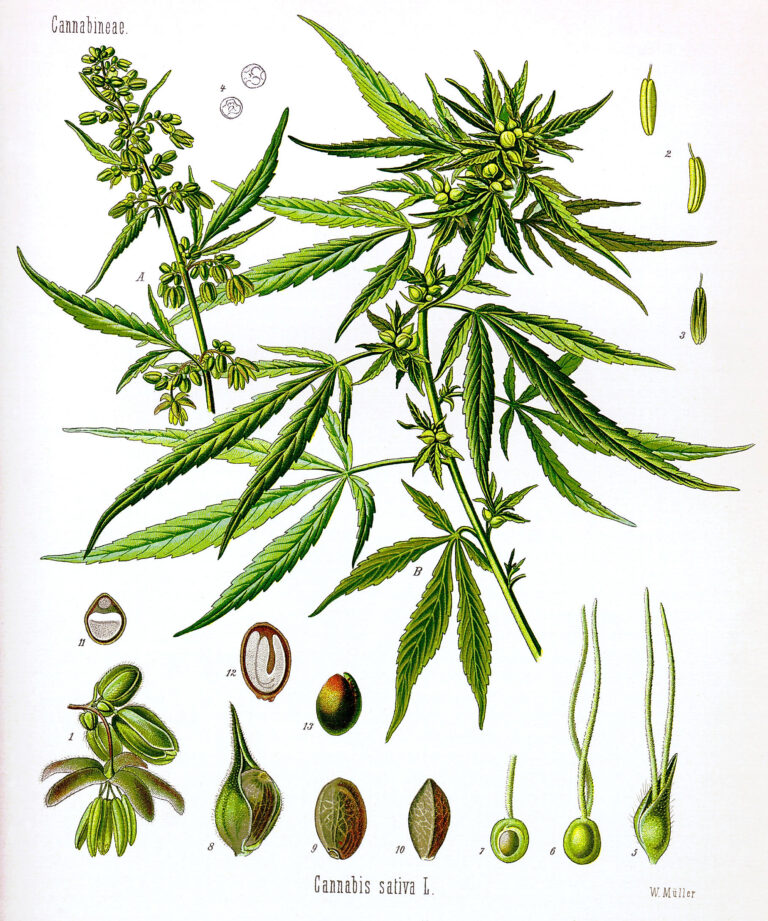
Conversely, Sativa strains from equatorial regions are accustomed to consistent day lengths and longer growing seasons. Consequently, their flowering periods are significantly extended. Modern breeders often create hybrids to balance the heavy-yielding characteristics of Sativas with the accelerated flowering times of Indicas. Selecting a strain with a known flowering window is the first step in planning a successful cultivation schedule.
| Cannabis Type | Average Flowering Duration | Physical Characteristics |
|---|---|---|
| Indica | 7–9 Weeks | Short, bushy stature; dense buds. |
| Sativa | 10–14 Weeks | Tall, lanky structure; airy flower clusters. |
| Hybrid | 8–11 Weeks | Varied traits depending on dominance. |
| Autoflower | 5–8 Weeks (Flowering) | Age-dependent flowering regardless of light. |
The Flowering Stage Timeline: How Long Does Cannabis Take to Bud?
When discussing how long does cannabis take to bud, it is helpful to divide the flowering phase into three distinct sub-stages. Each stage requires specific care and environmental adjustments to ensure the plant reaches its full genetic potential. The transition begins the moment the light cycle is shifted to 12 hours of darkness for photoperiod plants, or automatically after 3–5 weeks for autoflowering varieties.
The Transition and Pre-Flowering Phase (Weeks 1–3)
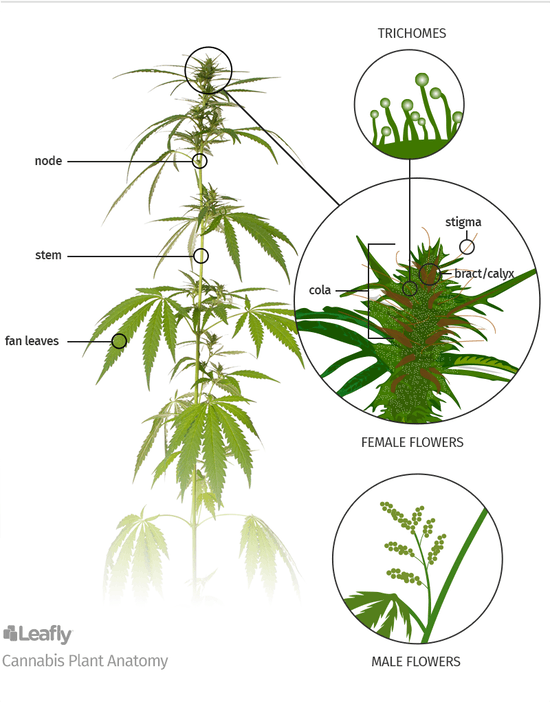
During the first three weeks of flowering, the plant undergoes a “stretch,” sometimes doubling in height. This is a period of rapid vegetative growth where the plant establishes the structural support needed for heavy buds. Pre-flowers, or small white pistils, will begin to emerge at the nodes, signaling the plant’s readiness to produce flowers.
Mid-Flowering: Bud Formation (Weeks 4–6)
By the fourth week, vertical growth slows significantly, and the plant focuses its metabolic energy on bud development. Small clusters of flowers begin to join together to form colas. This is the stage where the distinctive aroma of the plant becomes more pronounced as trichomes start to develop. It is vital to maintain strict humidity controls during this period to prevent mold within the increasingly dense floral structures.
Late Flowering and Ripening (Weeks 7–Harvest)
In the final weeks, the buds swell in size and weight. The white pistils will begin to darken and curl inward. The plant stops growing new leaves and focuses entirely on resin production. This stage is characterized by the maturation of trichomes, which transition from clear to cloudy, and eventually to amber. The exact timing of harvest within this window will determine the psychoactive and therapeutic profile of the cannabis.
Environmental Optimization for Bud Development
While genetics provide the blueprint, environmental factors act as the catalyst for speed and quality. To ensure the budding process stays on track, specific atmospheric parameters must be maintained. Deviations from these ranges can lead to stunted growth or extended flowering times as the plant struggles with stress.
| Environmental Factor | Ideal Range (Flowering) | Rationale |
|---|---|---|
| Temperature (Day) | 20°C – 26°C (68°F – 78°F) | Optimizes metabolic rate and enzyme activity. |
| Relative Humidity | 40% – 50% | Prevents botrytis (bud rot) in dense flowers. |
| Light Spectrum | Red/Far-Red (2000K – 3000K) | Mimics autumn sun to stimulate ripening. |
Determining Final Maturity and Harvest Readiness
The most accurate method to determine if the budding process is complete is through microscopic inspection. Relying solely on the breeder’s estimated timeline can be misleading, as individual phenotypes may vary. Cultivators utilize a jeweler’s loupe or digital microscope to observe the capitate-stalked trichomes on the calyxes.
- Clear Trichomes: Indicates the plant is still immature; low potency.
- Cloudy/Milky Trichomes: Peak THC levels and maximum psychoactive effect.
- Amber Trichomes: THC is degrading into CBN, resulting in a more sedative effect.
- Pistil Color: At least 70–90% of the white hairs should have turned brown/orange.
Key Takeaways for Cultivators
- Most cannabis strains take between 8 and 11 weeks to fully bud after flowering begins.
- Indicas typically flower faster (7–9 weeks) than Sativas (10–14 weeks).
- Environmental stress, such as light leaks or temperature fluctuations, can delay the budding process.
- The appearance of trichomes is the only definitive indicator of peak maturity.
Frequently Asked Questions
Can I make cannabis bud faster?
While you cannot force a plant to exceed its genetic speed, you can ensure it reaches its potential by maintaining a perfect 12/12 light cycle, using phosphorus-rich bloom nutrients, and preventing environmental stress. Some growers use a 11/13 light cycle late in flowering to signal the plant to ripen more quickly.
What happens if I harvest too early?
Harvesting before the budding process is complete results in significantly lower yields and reduced potency. The cannabinoids and terpenes reach their maximum concentration during the final two weeks of ripening; early harvest prevents these compounds from fully developing.
Does the pot size affect how long it takes to bud?
Pot size primarily affects the size of the plant during the vegetative stage. However, a plant that is root-bound or in a container that is too small may experience stress that slows down flower development during the reproductive phase.
About the Author