While cannabis is frequently categorized by its psychoactive properties, its botanical identity as a leafy green superfood offers a distinct range of therapeutic benefits when consumed in its raw state. Learning how to make cannabis juice allows enthusiasts and medical patients alike to access the plant’s acidic cannabinoids, such as THCA and CBDA, which remain non-intoxicating until they are exposed to heat. This dietary approach treats cannabis as a nutrient-dense vegetable, comparable to kale or wheatgrass, rather than a traditional drug. By juicing fresh leaves and buds, consumers can ingest significantly higher concentrations of these compounds than would be possible through smoking or eating decarboxylated edibles, as the lack of psychoactivity removes the barrier of a “high.”
The Definitive Guide on How to Make Cannabis Juice for Optimal Health
The transition from recreational usage to functional wellness has sparked a renewed interest in raw cannabis consumption. When the plant is in its live, raw state, it contains 21 carbon atoms in an acidic structure. Only through the process of decarboxylation—the application of heat over time—does THCA convert into the psychoactive THC. Consequently, raw cannabis juice serves as a potent anti-inflammatory and antioxidant supplement without the cognitive impairment associated with traditional consumption. This article explores the scientific rationale, the necessary equipment, and the precise methodology required to produce high-quality cannabis juice at home.
The Science of Raw Cannabinoids
Understanding the molecular profile of the plant is essential before mastering how to make cannabis juice. Raw cannabis contains over 100 cannabinoids, most of which exist in their carboxylic acid forms. THCA (Tetrahydrocannabinolic acid) and CBDA (Cannabidiolic acid) are the primary focuses of raw juicing research. These molecules interact with the endocannabinoid system and other receptor pathways to modulate inflammation and immune response without binding directly to the CB1 receptors in the brain.
The bioavailability of raw cannabinoids is a subject of ongoing study, but anecdotal and clinical observations suggest that the body can process much higher doses of THCA than THC. This allows for a massive influx of antioxidants and phytochemicals. Furthermore, the presence of terpenes and flavonoids in the raw juice creates a synergistic effect, often referred to as the entourage effect, which may enhance the therapeutic potential of the juice.
| Feature | Raw Cannabis Juice | Decarboxylated Cannabis |
|---|---|---|
| Primary Cannabinoids | THCA, CBDA | THC, CBD |
| Psychoactivity | None (Non-intoxicating) | High (Intoxicating) |
| Primary Usage | Nutritional supplement | Therapeutic/Recreational |
| Flavor Profile | Bitter, grassy, peppery | Earthy, pungent, sweet |
Selection of Plant Material and Equipment
The quality of your juice is directly proportional to the freshness of your source material. You cannot juice dried, cured flower effectively, as the moisture content is too low and the cannabinoids may have already begun to decarboxylate naturally over time. Freshly harvested fan leaves and flowering tops are the ideal candidates for juicing. Ensure the plant has not been treated with synthetic pesticides or foliar sprays, as these chemicals will be concentrated in the final liquid.
Required Equipment
To extract the most nutrients, a masticating juicer (cold-press) is superior to a centrifugal juicer. Masticating juicers operate at lower speeds, generating less heat and preventing the premature oxidation of sensitive cannabinoids. If a juicer is unavailable, a high-speed blender can be used in conjunction with a fine-mesh nut milk bag to strain the fibrous pulp.
Step-by-Step Guide: How to Make Cannabis Juice
Following a precise protocol ensures that you maximize the yield of THCA and CBDA while maintaining the integrity of the plant’s volatile compounds. Because raw cannabis juice has a potent, bitter flavor, it is often combined with other vegetables to improve palatability.
- Harvest and Clean: Use only fresh, vibrant green leaves and buds. Submerge them in cold water to remove any dust or debris, then pat dry gently.
- Preparation: If using a juicer, roll several fan leaves together into a tight “cigar” shape. This helps the juicer’s gears grip the material more effectively.
- The Juicing Process: Feed the bundled leaves through the masticating juicer. If using buds, alternate them with high-moisture vegetables like cucumber or celery to help “flush” the resinous cannabis through the machine.
- Dilution: Pure cannabis juice is highly concentrated. It is best to mix it with a base of apple, carrot, or ginger juice to mask the bitterness.
Optimizing Cannabinoid Ratios
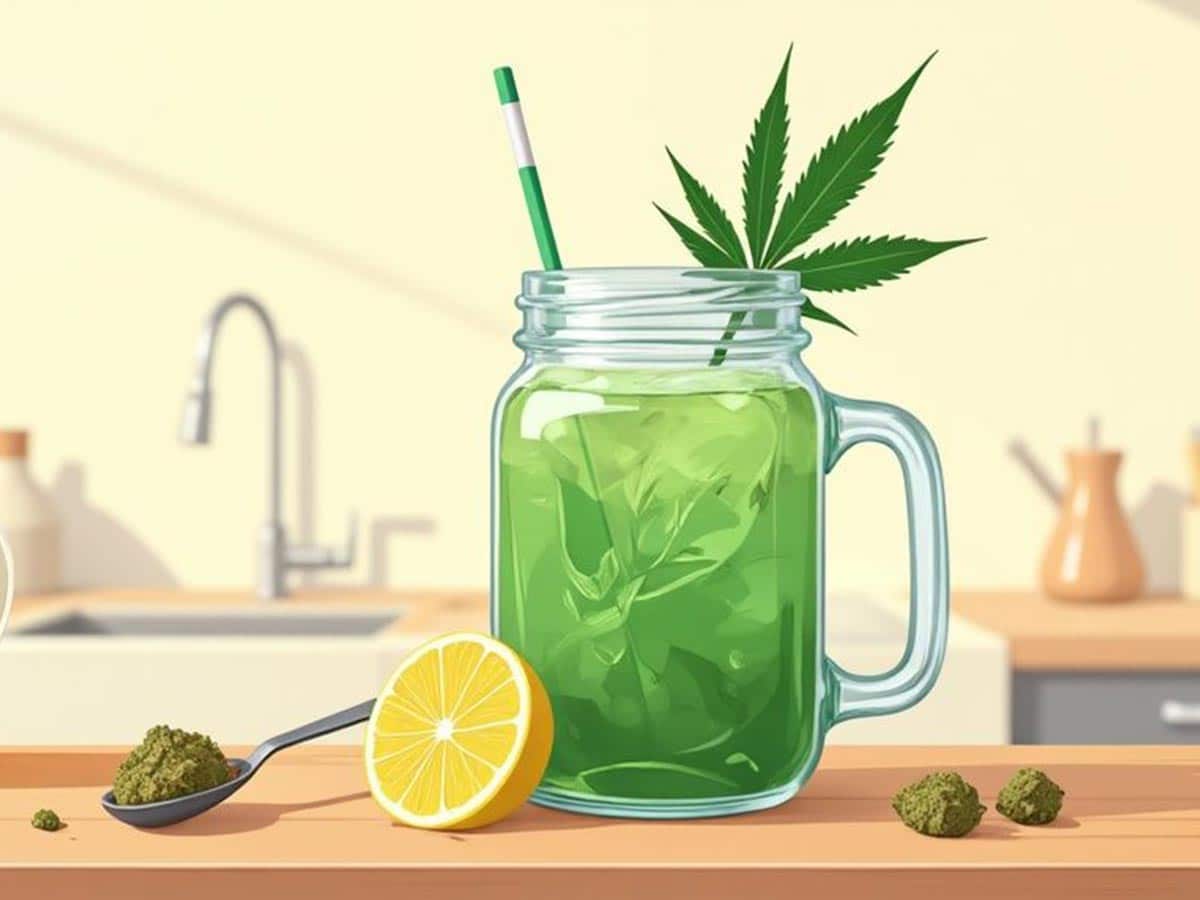
For a balanced nutritional profile, aim for a ratio of 15 parts vegetable juice to 1 part cannabis juice. This ensures you receive the benefits of the plant without overwhelming your digestive system, as raw plant fibers and concentrated chlorophyll can be intense for some individuals.
| Ingredient | Purpose | Nutritional Contribution |
|---|---|---|
| Cannabis Leaves | Primary Source | THCA, CBDA, Terpenes |
| Cucumber | Hydration/Base | Vitamin K, Silica |
| Lemon | Preservation | Vitamin C, pH balance |
| Ginger | Flavor/Digestion | Gingerols, Anti-nausea |
Storage and Consumption Best Practices
Raw cannabis juice is highly perishable. Once the cellular walls are broken, the nutrients begin to degrade through exposure to light and oxygen. Consumption should ideally occur within 30 minutes of extraction to ensure maximum potency. If storage is necessary, use an airtight glass container and keep it in the coldest part of the refrigerator for no more than 24 hours.
For long-term storage, many practitioners freeze the juice in ice cube trays. These “cannabis cubes” can be dropped into morning smoothies, providing a convenient way to integrate raw cannabinoids into a daily routine. Note that while freezing preserves the acidic cannabinoids, it may slightly alter the flavor profile over time.
- Raw cannabis contains THCA and CBDA, which are non-psychoactive.
- Freshness is paramount; only use live, undried plant material.
- A masticating juicer is the most efficient tool for extraction.
- Combine cannabis juice with other vegetables to improve flavor and digestion.
- Store in the freezer for long-term use to prevent oxidation.
Frequently Asked Questions
Will drinking cannabis juice make me fail a drug test?
Yes, it is possible. Although THCA is non-psychoactive, many drug tests look for metabolites of the cannabis plant regardless of whether they are decarboxylated. Additionally, trace amounts of THC may be present in the raw plant. Those subject to strict testing should exercise caution.
Can I use dried buds to make juice?
No. Dried buds lack the necessary moisture for juicing and will result in a dry powder rather than a liquid extract. Juicing requires the living moisture found in fresh, raw vegetation to carry the cannabinoids out of the plant material.
What is the recommended daily “dose” of cannabis juice?
There is no standardized medical dosage for raw cannabis juice. Most practitioners suggest starting with the juice of 5 to 10 fan leaves per day and monitoring the body’s response. Because it is non-intoxicating, the risk of “overdose” is virtually non-existent, though excessive chlorophyll can cause mild stomach upset.
Does juicing cannabis have the same effect as CBD oil?
Not exactly. CBD oil typically contains decarboxylated CBD, whereas raw juice contains CBDA. While they share some similarities, CBDA has been shown in some studies to have higher bioavailability and different interactions with serotonin receptors compared to CBD.
About the Author