The landscape of modern cannabis cultivation has shifted dramatically over the last decade, transitioning from clandestine operations to sophisticated, laboratory-backed agricultural practices. This evolution has led to the development of the strongest weed strains ever recorded, with Tetrahydrocannabinol (THC) concentrations now frequently exceeding 30%. While legacy cultivars from the 1970s often peaked at 5% to 8% THC, contemporary selective breeding focuses on maximizing trichome density and cannabinoid biosynthesis. Identifying the strongest weed strains requires more than just looking at a percentage on a label; it involves understanding genetic lineage, cultivation precision, and the synergistic relationship between cannabinoids and terpenes. As consumers and medical patients seek higher efficacy, the industry has responded with cultivars that push the biological limits of the cannabis plant. This guide explores the scientific underpinnings of high-potency cannabis, the specific strains currently dominating the market, and how the interaction of secondary metabolites influences the perceived intensity of the psychoactive experience for the end user.
The Comprehensive Guide to the Strongest Weed Strains in Modern Cultivation
The Science of Potency in Cannabis
To understand what constitutes the strongest weed strains, one must first examine the role of the trichome. These glandular structures serve as the “chemical factories” of the plant, producing the resin that contains both cannabinoids and terpenoids. Potency is largely determined by the genetic potential of a cultivar to produce high volumes of THCA, which is converted to THC through decarboxylation.
Environmental factors also play a critical role in reaching these peak levels. Advanced lighting systems, such as high-intensity LEDs, and controlled atmospheric conditions allow growers to stress the plant in specific ways that encourage resin production. However, genetic stabilization is the most important factor, ensuring that every harvest maintains the intended potency profile without significant phenotypic variation.
The Entourage Effect and Subjective Intensity
While THC is the primary psychoactive driver, the “strongest” experience is often a result of the entourage effect. This phenomenon occurs when cannabinoids like CBD, CBG, and CBC interact with aromatic terpenes to modulate the effects on the human endocannabinoid system. A strain with 25% THC and a rich terpene profile may feel significantly more potent than a 30% THC strain with a stagnant chemical profile.
Testing and Lab Accuracy
It is important to note that laboratory testing standards can vary by jurisdiction. Many of the strongest weed strains are verified through High-Performance Liquid Chromatography (HPLC). This method provides a precise breakdown of the chemical composition, ensuring that the “high potency” claim is backed by quantitative data rather than marketing hyperbole.
Analysis of the Strongest Weed Strains
In the current market, several cultivars have gained international recognition for their consistently high THC yields. These strains are often the result of crossing legendary genetics with modern, resin-heavy hybrids. The following table compares three of the most prominent high-potency strains currently available to consumers and medical patients.
| Strain Name | Average THC Range | Primary Lineage | Dominant Effect |
|---|---|---|---|
| Godfather OG | 30% – 34% | XXX OG x Alpha OG | Deep Sedation |
| Grease Monkey | 27% – 31% | GG4 x Cookies & Cream | Physical Relaxation |
| Chiquita Banana | 26% – 33% | OG Kush x Banana | Cerebral Euphoria |
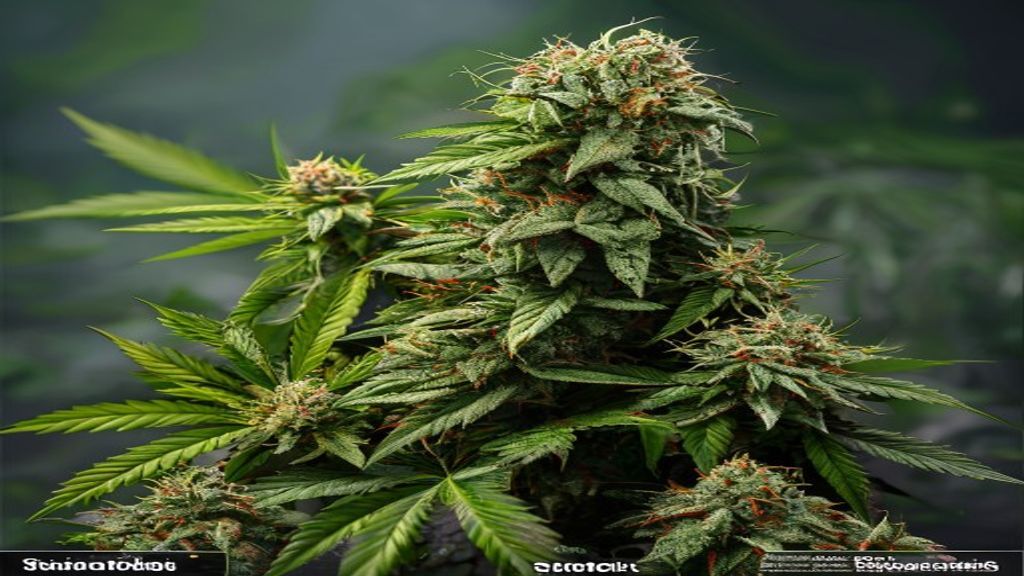
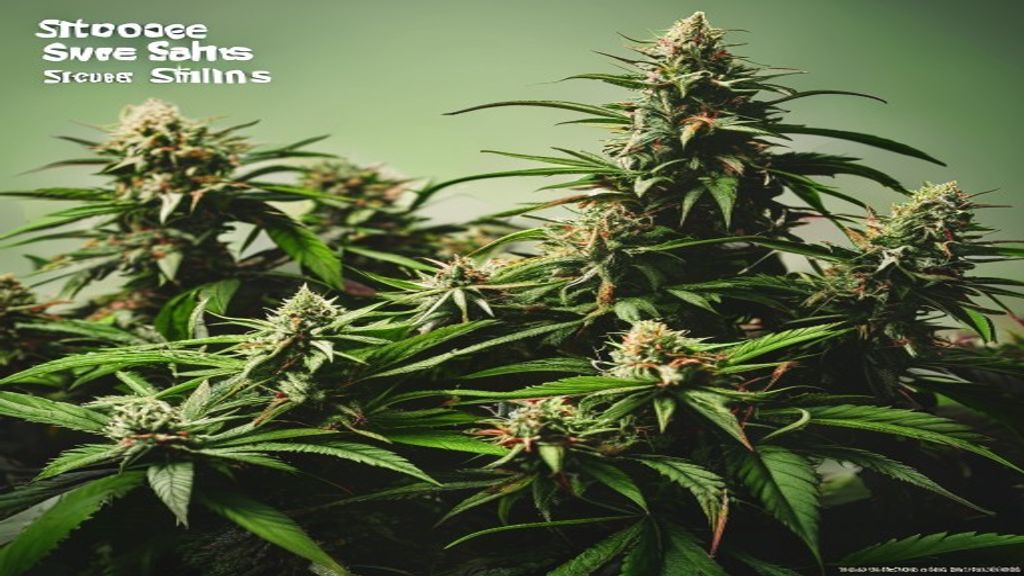
Identifying these strains involves looking for specific physical markers. High-potency flowers are typically covered in a thick, “frosty” layer of crystalline trichomes. The density of the flower and the pungency of its aroma are often reliable indicators of its chemical concentration and overall quality.
The Role of Terpenes in High-THC Profiles
The strongest weed strains are defined by more than just their cannabinoid counts. Terpenes act as a biological steering wheel, directing the THC toward specific physiological and psychological outcomes. For instance, high levels of Myrcene can enhance the sedative properties of a strain, making it feel “stronger” in terms of physical heaviness.
The table below outlines how specific terpenes influence the perceived strength and therapeutic potential of high-THC cannabis. Understanding these profiles allows users to select strains that align with their specific needs for potency.
| Terpene | Aroma Profile | Effect Correlation | Common in High-Potency Strains |
|---|---|---|---|
| Myrcene | Earthy, Musky | Sedation / Relaxation | Grandaddy Purple |
| Limonene | Citrus, Lemon | Mood Elevation | Wedding Cake |
| Caryophyllene | Spicy, Peppery | Stress Relief | Girl Scout Cookies |
Safety and Tolerance for High-Potency Cannabis
Engaging with the strongest weed strains requires a cautious approach, especially for those with low biological tolerance. Over-consumption of high-THC flower can lead to adverse effects such as acute anxiety, tachycardia, or temporary cognitive impairment. It is recommended that even experienced users practice “micro-dosing” when introduced to a new high-potency cultivar.
Furthermore, the bioavailability of THC varies based on the method of consumption. Vaporizing flower at specific temperatures can preserve delicate terpenes that might be destroyed by combustion, potentially enhancing the potency. Maintaining a responsible consumption habit ensures that the therapeutic benefits of these powerful plants are maximized while minimizing the risk of negative side effects.
Key Takeaways
- The strongest weed strains today frequently exceed 30% THC through selective breeding.
- Potency is a combination of THC concentration and the synergistic “entourage effect” of terpenes.
- Godfather OG and Chiquita Banana are currently among the world’s most potent cultivars.
- Always verify potency through reputable lab testing to ensure product safety and consistency.
- Higher THC levels require greater consumer responsibility and awareness of tolerance levels.
Frequently Asked Questions
Which strain is currently considered the strongest in the world?
While rankings shift, Godfather OG is frequently cited as one of the strongest weed strains, with lab results occasionally reaching 34% THC. However, specific phenotypes of Grease Monkey and Bruce Banner often rival these numbers depending on the grower’s expertise.
Do high-THC strains provide better medical benefits?
Not necessarily. While high THC is useful for chronic pain and severe insomnia, many patients find better relief from balanced strains containing CBD. The “strongest” strain is the one that most effectively targets the individual’s specific symptoms.
Can the potency of a strain decrease over time?
Yes. THC degrades into CBN (Cannabinol) when exposed to heat, light, and oxygen. To maintain the potency of the strongest weed strains, they must be stored in airtight, UV-protected containers in a cool environment.
Does a higher price always mean a stronger strain?
Price is often reflective of cultivation costs and brand recognition rather than pure THC percentage. While premium “top-shelf” flower is usually potent, consumers should rely on Certificate of Analysis (COA) documents rather than price tags alone.
About the Author