The pursuit of cannabis potency has undergone a dramatic transformation over the last four decades. In the 1970s, the average THC concentration in seized samples rarely exceeded 4%, yet modern horticultural advancements have facilitated the development of cultivars that regularly surpass 30%. Identifying the strongest strain of weed requires a nuanced understanding of laboratory testing, genetic stabilization, and the synergistic relationship between cannabinoids and terpenoids. While raw percentages offer a numerical benchmark, the physiological impact is often dictated by the chemical complexity of the flower.
Identifying the Strongest Strain of Weed: A Comprehensive Analysis of Potency
For connoisseurs and medicinal users alike, potency is often the primary metric of quality. However, the “strongest” designation is frequently a moving target, influenced by specific phenotypes and the expertise of the cultivator. This article explores the current leaders in THC concentration, the biological factors that contribute to extreme potency, and the secondary compounds that refine the experience. By examining the data behind these high-octane varieties, we can better understand how modern breeding has reached these unprecedented levels of chemical expression.
Table of Contents
The Evolution of High-Potency Cannabis
The trajectory of cannabis potency is a testament to the efficacy of selective breeding. Historically, landrace strains evolved to survive specific climates, prioritizing resin production for UV protection and pest resistance rather than psychoactive intensity. As cultivation moved indoors, breeders gained the ability to control environmental variables, allowing them to select for specific traits over multiple generations. Selective breeding has successfully isolated the genes responsible for THCA synthesis, resulting in plants that allocate more metabolic energy to cannabinoid production than to fiber or seed development.
Today, the industry utilizes liquid chromatography to measure potency with high precision. While these tests provide a snapshot of a strain’s potential, consumers should be aware of “THC inflation,” where certain labs may provide skewed results. Despite this, several stabilized genetics have consistently demonstrated the ability to produce exceptional levels of resin and cannabinoid content under optimal conditions.
Leading Contenders for the Strongest Strain of Weed
When discussing the strongest strain of weed, a few names consistently appear at the top of laboratory leaderboards. These strains are not merely high in THC; they are the result of crossing legendary genetics to maximize trichome density and glandular size. Below is a comparison of some of the most potent cultivars currently available in the legal market.
| Strain Name | Typical THC Range | Primary Genetic Lineage | Dominant Terpenes |
|---|---|---|---|
| Godfather OG | 30% – 34% | XXX OG x Alpha OG | Myrcene, Limonene |
| Grease Monkey | 27% – 31% | GG4 x Cookies & Cream | Caryophyllene, Limonene |
| Chiquita Banana | 26% – 33% | Banana OG x OG Kush | Limonene, Myrcene |
| Bruce Banner #3 | 25% – 30% | OG Kush x Strawberry Diesel | Caryophyllene, Myrcene |
Godfather OG is frequently cited as one of the most potent indica-dominant hybrids in existence, with some lab results pushing toward the 35% mark. Its effects are characterized by a profound sedative quality, making it a favorite for those seeking intense physical relaxation. In contrast, Bruce Banner #3 offers a high-potency experience that is more cerebral, illustrating that strength is not solely synonymous with sedation.
Biological Factors Influencing THC Concentration
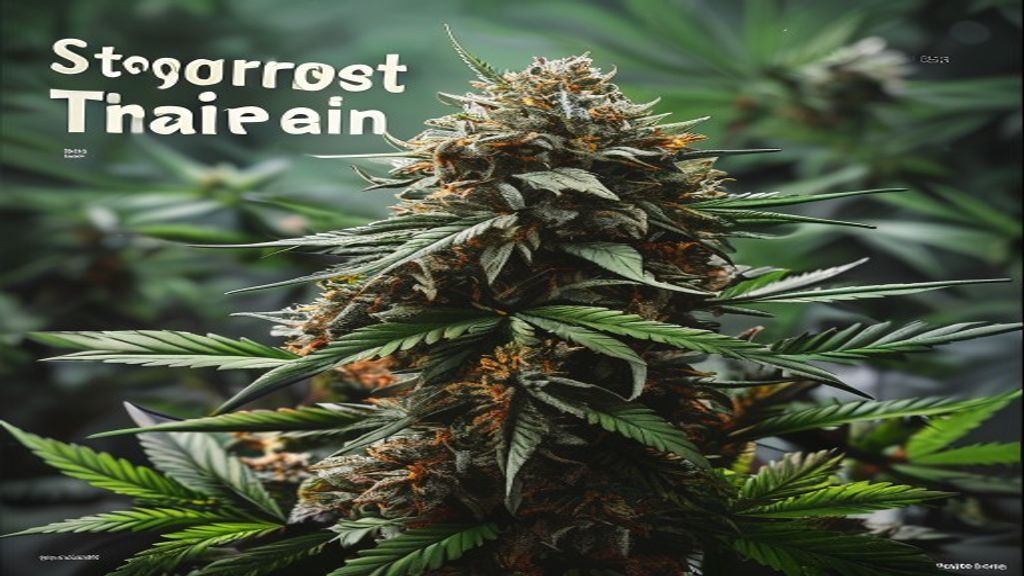
The maximum potency of a cannabis plant is determined by its genetic ceiling, but reaching that ceiling requires precision in the cultivation environment. A plant with the genetics to reach 30% THC may only produce 15% if its environmental needs are not met. Cultivators use several strategies to maximize the expression of secondary metabolites.
The Role of Lighting and Stress
Light intensity, specifically within the PAR (Photosynthetically Active Radiation) spectrum, is critical. High-intensity discharge (HID) lamps or advanced LED arrays provide the energy required for trichome development. Furthermore, “controlled stress” techniques, such as slight temperature fluctuations or specific pruning methods, can signal the plant to produce more resin as a defense mechanism, effectively boosting the overall cannabinoid concentration.
Nutrient Optimization and Harvest Timing
The availability of phosphorus and potassium during the flowering phase is vital for the synthesis of THCA. Additionally, harvest timing is paramount; harvesting too early results in immature trichomes with low potency, while harvesting too late may lead to the degradation of THC into CBN, which is less psychoactive and more sedative. Peak potency is typically achieved when the trichome heads transition from clear to a milky white opacity.
| Environmental Variable | Impact on Potency |
|---|---|
| UV-B Radiation | Increases resin production as a natural sunscreen. |
| CO2 Enrichment | Accelerates metabolic processes and biomass. |
| Curing Process | Preserves cannabinoids and prevents degradation. |
Beyond THC: The Role of Terpene Synergy
While the percentage of THC is the primary indicator of the strongest strain of weed, it does not act in isolation. The “Entourage Effect” suggests that the interaction between cannabinoids and terpenes modulates the overall experience. A strain with 25% THC and a 4% terpene profile may feel significantly more potent than a strain with 30% THC and negligible terpenes.
Terpenes such as Myrcene can increase cell membrane permeability, theoretically allowing THC to cross the blood-brain barrier more efficiently. Limonene may provide an uplifting cognitive shift, while Caryophyllene interacts directly with CB2 receptors. This chemical synergy explains why two different strains with identical THC percentages can produce vastly different levels of perceived intensity.
Key Takeaways
- Genetics determine the potential: Strains like Godfather OG and Grease Monkey are bred specifically for high THC expression.
- Cultivation is key: Lighting, nutrients, and harvest timing are essential to reach a strain’s maximum potency.
- Terpenes matter: High THC levels are enhanced by a robust terpene profile, which dictates the “character” of the high.
- Lab results vary: Consumers should look for reputable testing facilities and consider the full cannabinoid profile.
Frequently Asked Questions
Is the strongest strain always the best choice?
Not necessarily. High-potency strains can be overwhelming for novice users or those prone to anxiety. Many consumers find that a “balanced” strain with moderate THC and high terpene content provides a more functional and enjoyable experience.
Does a higher THC percentage mean a better high?
The quality of the “high” is subjective. While higher THC generally correlates with increased intensity, the presence of minor cannabinoids (like CBD, CBG, and CBC) and terpenes determines the specific nuances of the effect, such as focus, relaxation, or euphoria.
How do I identify a potent strain by looking at it?
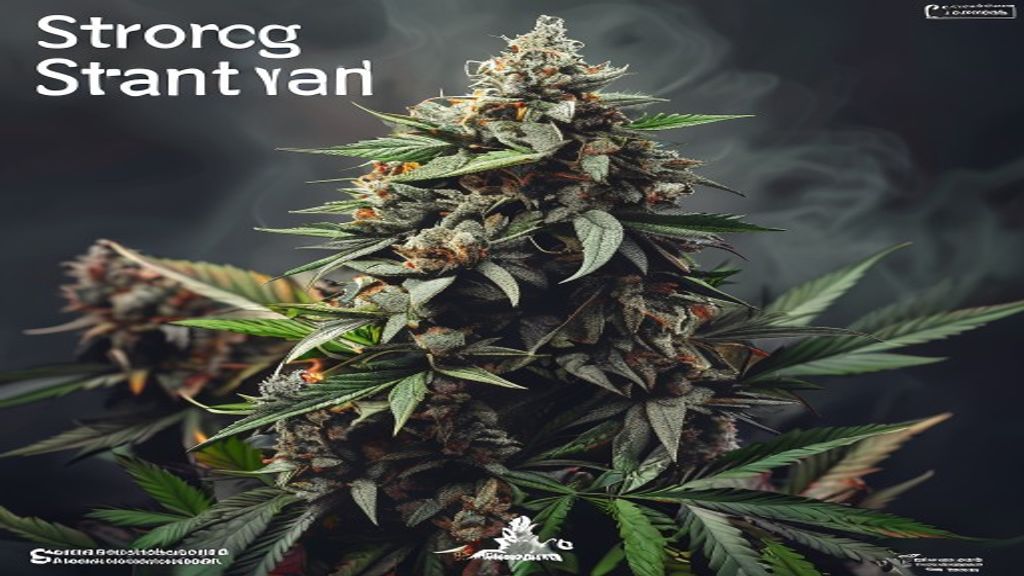
While lab testing is the only definitive way, potent flower usually exhibits a dense coating of crystalline trichomes, a pungent and complex aroma, and high resin stickiness. These physical traits indicate a high concentration of secondary metabolites.
About the Author