The botanical classification of Cannabis sativa L. as a dioecious species sets it apart from the majority of flowering plants. While most angiosperms are hermaphroditic, possessing both male and female reproductive organs within a single flower, cannabis typically produces distinct male and female individuals. For cultivators, researchers, and consumers, understanding the fundamental difference between male and female cannabis plants is not merely an academic exercise; it is the cornerstone of successful crop management and product quality. The sexual dimorphism of the plant dictates its chemical profile, structural growth, and ultimate utility in various industries, from textile fiber production to pharmaceutical extraction.
Identifying these differences early in the vegetative and early flowering stages is crucial for preventing unwanted pollination. When a male plant matures, it releases pollen that can travel long distances to fertilize female flowers. Once fertilized, a female plant redirects its metabolic energy from the synthesis of secondary metabolites, such as cannabinoids and terpenes, toward seed production. This process significantly diminishes the concentration of tetrahydrocannabinol (THC) and other valuable compounds, resulting in a lower-quality harvest known as “seeded” cannabis. Consequently, the ability to discern sex is a vital skill for maintaining the integrity of sensimilla—unpollinated female cannabis—crops.
Understanding the Morphological and Biological Difference Between Male and Female Cannabis Plants
The Significance of the Difference Between Male and Female Cannabis Plants in Horticulture
From an evolutionary perspective, the separation of sexes in cannabis encourages cross-pollination, which ensures greater genetic diversity within a population. This genetic variability allows the species to adapt to diverse environments across the globe. However, in a controlled agricultural setting, this natural inclination must be managed. The primary biological difference between male and female cannabis plants lies in their reproductive structures: males produce staminate flowers designed for pollen dispersal, while females produce pistillate flowers designed for pollen capture and seed maturation.
Chemical Variations and Secondary Metabolites
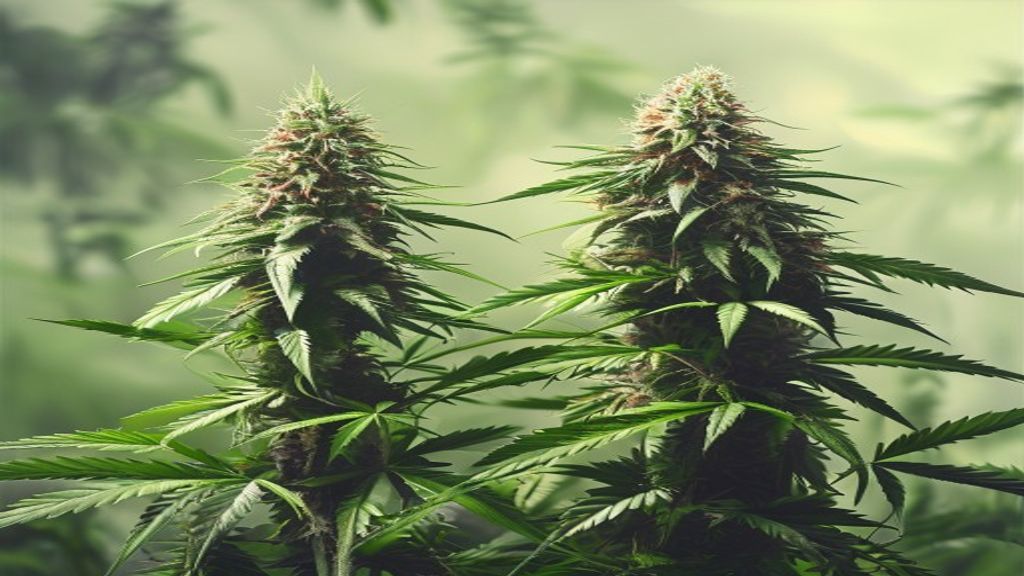
Female plants are the primary producers of the resinous trichomes found in high concentrations on the bracts and floral clusters. These trichomes serve as the chemical factories for cannabinoids like THC and CBD. While male plants do possess some trichomes, their concentrations are significantly lower, making them less desirable for medicinal or recreational extraction. Males are often excluded from high-potency gardens to ensure the females remain focused on resin production.
Role of Ethylene and Gibberellins
The expression of sex in cannabis is not solely determined by genetics; it is also influenced by hormonal balances. Ethylene typically promotes the development of female flowers, whereas gibberellins are associated with male sex expression. Environmental stressors, such as light leaks during the dark cycle or extreme temperature fluctuations, can disrupt these hormonal levels, occasionally leading to hermaphroditism—a condition where a single plant develops both male and female reproductive organs.
Morphological Identification Techniques
Identifying the sex of a cannabis plant requires a keen eye for “pre-flowers,” which typically appear at the nodes—where the leaves and branches meet the main stem. These markers usually manifest between the fourth and sixth week of growth, depending on the cultivar and the environmental conditions provided during the vegetative stage.
| Feature | Male Cannabis Plants | Female Cannabis Plants |
|---|---|---|
| Primary Structure | Pollen sacs (Staminate) | Bracts and Pistils (Pistillate) |
| Visual Appearance | Small, round “spade-like” balls | Teardrop-shaped calyx with white hairs |
| Growth Pattern | Taller, sturdier stems with fewer leaves | Shorter, bushier, and more densely foliated |
| Primary Product | Pollen and fiber | Resinous flowers and seeds |
Male plants often reveal their sex earlier than females. They develop small, oval-shaped pods known as pollen sacs. These sacs eventually grow into clusters that resemble miniature bunches of grapes. Unlike the female structures, male pre-flowers do not possess white hairs. Their structural role is to elevate the pollen sacs above the canopy to facilitate wind-borne dispersal, which explains their typically lanky and tall stature.
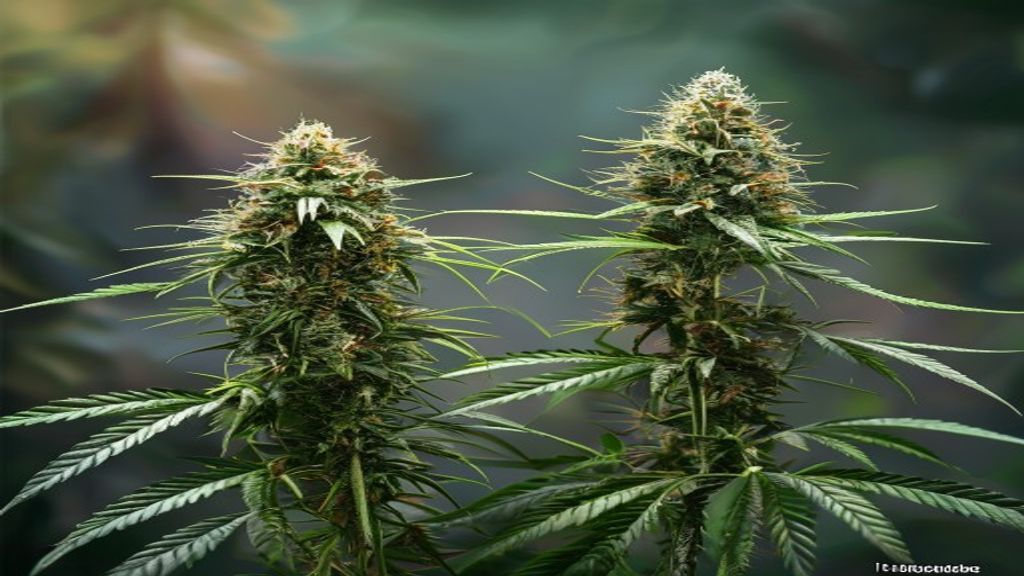
Female identification is confirmed by the presence of the pistil. The pre-flower consists of a small, green, pear-shaped sac called a bract, from which two translucent or white hair-like structures, known as stigmas, emerge. These stigmas are designed to catch airborne pollen. If you observe these delicate white hairs at the nodes, the plant is definitively female. Identifying these markers early allows growers to remove males before they reach the point of “dehiscence,” or the opening of the pollen sacs.
Horticultural Significance and Utility
The decision to keep or cull male plants depends entirely on the goals of the cultivator. For most, the goal is the production of unpollinated female flowers, known as sensimilla. However, male plants are indispensable for those involved in plant breeding and genetic preservation. Without the male’s contribution of Y-chromosomes (in standard seeds), the creation of new hybrids and the stabilization of existing strains would be impossible.
Furthermore, male plants have significant industrial value. Historically, male plants have been utilized for their fiber, which is often finer and softer than the coarser fibers of the female plant. This makes male-derived hemp fiber ideal for high-quality textiles and paper. In a modern context, males are also used to extract small amounts of cannabinoids for specific research purposes or for the production of hemp seed oil in commercial breeding programs.
| Development Stage | Male Markers | Female Markers |
|---|---|---|
| Vegetative (Early) | Rapid vertical growth, thick stems | Slower vertical growth, bushier lateral branches |
| Pre-flowering | Smooth, round pods at the nodes | Pointed bracts with protruding white stigmas |
| Flowering (Peak) | Hanging clusters of pollen-releasing sacs | Dense, resinous colas with amber/white hairs |
Key Takeaways for Cultivators
- Vigilance is Essential: Check the nodes of your plants daily starting in week four of the vegetative cycle.
- The 12/12 Light Cycle: For photoperiod-sensitive plants, sex expression becomes much more apparent once the light cycle is shifted to trigger flowering.
- Hermaphroditism Risks: Monitor plants for “nanners” (male stamen appearing on female buds), which can occur due to environmental stress.
- Culling Timing: Male plants should be removed as soon as they are identified if seedless flower production is the primary objective.
Frequently Asked Questions
Can a male cannabis plant produce buds?
Technically, male plants do not produce “buds” in the way female plants do. They produce clusters of pollen sacs. While these sacs contain some plant material and minimal cannabinoids, they do not develop the dense, resinous floral structures that are sought after for consumption. Their biological purpose is strictly the production and dispersal of pollen.
How do I tell the difference between a male and a female seed?
It is currently impossible to determine the sex of a cannabis plant by looking at the seed alone. Both male and female seeds appear identical to the naked eye. To ensure a female crop, growers must either use “feminized seeds”—which are bred to eliminate the male chromosome—or wait for the plants to show their sex during the pre-flowering stage.
What happens if a male plant stays in the garden?
If a male plant remains in a garden with females, it will eventually release pollen. This pollen will fertilize the female flowers, causing them to stop producing resin and start producing seeds. This results in a drastic reduction in potency, a harsh smoking experience, and a lower overall yield of usable flower material.
About the Author