
Lollipoping is a high-stress training technique that involves removing the lower growth of a plant to focus energy on the top canopy. Knowing exactly when to lollipop cannabis is a critical skill for indoor cultivators seeking to maximize yield quality and minimize the development of underdeveloped floral sites, commonly known as popcorn buds. By stripping the lower third of the plant, growers redirect the plant’s resources—primarily nitrogen, phosphorus, and potassium—to the apical colas that receive the most intense light. This redistribution of energy does not necessarily increase the total biomass of the harvest, but it significantly improves the density, potency, and market value of the remaining flowers. Effective canopy management through lollipoping also enhances internal airflow, which is essential for mitigating the risk of powdery mildew and botrytis in high-humidity environments. Mastering the timing of this intervention requires a deep understanding of the plant’s transition from vegetative growth to reproductive development, ensuring that the stress of pruning does not stall growth at a pivotal moment in the life cycle.
Optimizing Harvest Quality: A Definitive Guide on When to Lollipop Cannabis
The Biological Rationale for Lollipoping
To understand the necessity of this technique, one must consider the inverse square law of light. As distance from the light source increases, the intensity of the light drops significantly. In a dense cannabis canopy, the lower branches often receive light levels below the light compensation point, meaning the leaves consume more energy through respiration than they produce via photosynthesis. These lower sites become “sinks” rather than “sources” of energy.
Lollipoping addresses this physiological imbalance. By removing these unproductive branches, the cultivator encourages the plant to prioritize its auxin distribution toward the upper nodes. This hormone-driven process reinforces apical dominance, resulting in larger, more uniform colas. Furthermore, removing the “larf” or “popcorn” growth simplifies the harvesting and trimming process, reducing labor costs and post-harvest processing time.
Determining the Optimal Timing: When to Lollipop Cannabis
The most crucial window for when to lollipop cannabis occurs during the final week of the vegetative stage or within the first two weeks of the flowering cycle. Timing is paramount because pruning creates an immediate stress response. If a grower lollipops too early, the plant may not have enough leaf surface area to support rapid vegetative growth; if done too late, the plant may struggle to recover, leading to stunted flower development or hermaphroditism due to hormonal stress.
The Vegetative Transition
Many professional cultivators prefer to perform a heavy lollipop approximately three to seven days before switching the light cycle to 12/12. This allows the plant to recover from the initial shock while still under vegetative light conditions, which are generally less demanding on the plant’s metabolic resources. This “pre-flower” pruning ensures that once the “stretch” begins, all new growth is concentrated where it will receive the highest Photosynthetic Photon Flux Density (PPFD).
The Mid-Stretch Refinement
A second, lighter pass is often necessary around day 14 to 21 of the flowering stage. During this period, the plant has completed its initial vertical stretch, and it becomes clear which lower branches will not reach the canopy. Removing these stragglers ensures that the plant enters the bulk flowering phase with a streamlined architecture. Beyond the third week of flowering, major pruning should be avoided to prevent disrupting the production of trichomes and essential oils.
Step-by-Step Execution and Technique
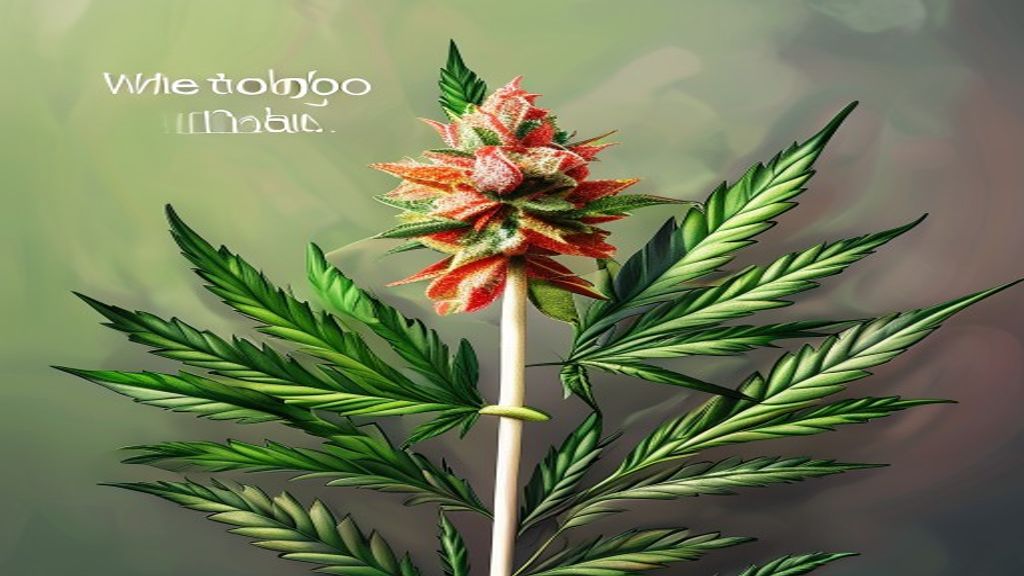
Execution requires a steady hand and sterilized equipment. The goal is to create a “bare” stem on the bottom third of the plant, giving it the appearance of a lollipop stick. Clean cuts are essential to prevent the entry of pathogens such as Fusarium or Pithium.
Tools and Safety Protocols
- Use precision pruning shears or a sterilized scalpel for minimal tissue damage.
- Sanitize tools with 70% isopropyl alcohol between every plant to prevent cross-contamination.
- Identify the “canopy line”—the point where light penetration begins to drop off sharply.
- Remove all lateral branches and fan leaves below this line, leaving the main stem clear.
| Feature | Standard Defoliation | Lollipoping |
|---|---|---|
| Primary Goal | Light penetration to middle nodes | Energy redirection to top colas |
| Intensity | Low to Moderate | High Stress |
| Target Area | Select fan leaves throughout | Bottom 1/3 of entire branches |
| Effect on Yield | Increases overall bud weight | Increases bud quality and density |
Environmental and Genetic Considerations
Not every cultivar responds to lollipoping in the same manner. Indicas, which tend to be shorter and bushier, benefit immensely from the increased airflow. Sativas, which already have a more open structure, may require a more conservative approach. The cultivation environment also dictates the severity of the lollipop; for instance, a Sea of Green (SOG) setup requires aggressive lollipoping to manage the high plant density.
| Growth Phase | Action Required | Rationale |
|---|---|---|
| Late Veg (Week 4+) | Major lower branch removal | Prepare plant for flowering energy shift. |
| Flower Week 1-2 | Thinning of new lower shoots | Clean up growth that appeared during stretch. |
| Flower Week 3+ | Minimal to no pruning | Avoid stressing the plant during resin production. |
Key Takeaways
- Focus on the Bottom Third: Generally, the lower 30-50% of the plant should be cleared of all growth sites.
- Prioritize Recovery: Always ensure the plant is healthy and nutrient-replete before initiating a lollipop.
- Monitor Airflow: Lollipoping is as much about pest prevention as it is about yield optimization.
- Precision over Power: It is better to prune slightly too little than to over-prune and diminish the plant’s photosynthetic capacity.
Frequently Asked Questions
Can I lollipop an autoflowering cannabis plant?
Lollipoping autoflowers is controversial because they have a predetermined lifespan and less time to recover from stress. If you choose to lollipop an autoflower, it should be done very early and conservatively, typically around the third week of growth, and only if the plant is showing exceptional vigor.
Will lollipoping reduce my total yield weight?
It can slightly reduce the total dry weight because you are removing potential biomass. However, the marketable yield—the high-quality, dense buds—usually increases. You trade quantity of low-grade flower for a higher concentration of premium-grade flower.
How do I know if I have lollipoped too much?
If the plant’s growth stalls for more than three to four days, or if the remaining fan leaves show signs of extreme drooping or discoloration, you may have over-pruned. Ensuring optimal environmental conditions (VPD and light intensity) can help the plant recover from excessive pruning.
Should I remove fan leaves or just the bud sites?
When lollipoping, you should remove both the lateral branches (bud sites) and the fan leaves in the lower section. The goal is to leave the main stalk completely bare in the lower region to maximize the “chimney effect” for airflow from the floor to the top of the canopy.
About the Author