Cultivators often encounter a moment of profound concern when a previously thriving specimen begins to exhibit signs of severe physiological decline, leading to the urgent question: is my cannabis plant dead? Distinguishing between a plant in a state of advanced environmental stress and one that has undergone irreversible systemic failure is critical for determining whether to invest further resources in resuscitation. In most botanical contexts, cannabis is an exceptionally resilient genus capable of rebounding from significant stressors, provided the core vascular system remains functional. However, once the primary metabolic processes cease and cellular structures undergo total desiccation, the plant is considered biologically non-viable. This professional guide examines the physiological indicators of vitality, ranging from turgor pressure to the integrity of the cambium layer. By systematically assessing the specimen through specific diagnostic tests, you can accurately identify the underlying causes of distress and implement a targeted recovery protocol to restore your garden’s equilibrium before permanent senescence occurs.
Is My Cannabis Plant Dead? A Professional Guide to Assessing Vitality and Recovery
Identifying Signs of Life: Is My Cannabis Plant Dead?
When assessing whether a cannabis plant has reached its biological end, one must look beyond superficial leaf discoloration. While yellowing or browning leaves (chlorosis and necrosis) are alarming, they often represent the plant’s strategic shedding of non-essential tissue to preserve the core. The presence of any green tissue, particularly near the main stalk or the apical meristems, suggests that the xylem and phloem are still transporting nutrients and water.
A plant that appears “dead” due to severe wilting may simply be suffering from a total loss of turgor pressure. This occurs when the vacuoles within the plant cells are depleted of water, causing the structure to collapse. If the stems remain flexible rather than brittle, the plant is likely in a state of temporary shock. Conversely, if the main stem snaps easily and exhibits a dry, hollow interior, the vascular system has likely failed entirely.
Common Pathological Causes of Plant Decline
Several factors contribute to the rapid degradation of cannabis health. Overwatering often leads to anaerobic conditions in the substrate, facilitating the growth of Pythium or other root-rot pathogens. Nutrient lockout, caused by extreme pH fluctuations, can mimic the appearance of a dying plant by preventing the uptake of essential macro and micronutrients. Proper diagnosis requires a holistic view of the growing environment, including substrate moisture, ambient humidity, and root zone temperature.
Substrate Moisture Management and Root Health
The health of the rhizosphere is the primary determinant of above-ground vitality. When a plant appears to be dying, inspecting the root system provides the most definitive evidence. Healthy roots should be creamy white and firm to the touch. If the roots are brown, slimy, and emit a foul odor, the plant is suffering from advanced root rot. While early-stage rot can be treated with hydrogen peroxide or beneficial microbes, total root necrosis usually indicates the plant is beyond saving.
| Feature | Stressed (Salvageable) | Dead (Non-Viable) |
|---|---|---|
| Stem Flexibility | Pliant and bends without snapping. | Brittle, dry, and snaps easily. |
| Leaf Condition | Wilting or yellow, but attached. | Crisp, brown, and crumbling. |
| Root Appearance | White or light tan; firm. | Dark brown, mushy, or slimy. |
| Internal Tissue | Moist and green/white. | Brown, dry, and woody. |
Botanical Diagnostic Methods: The Cambium Scratch Test
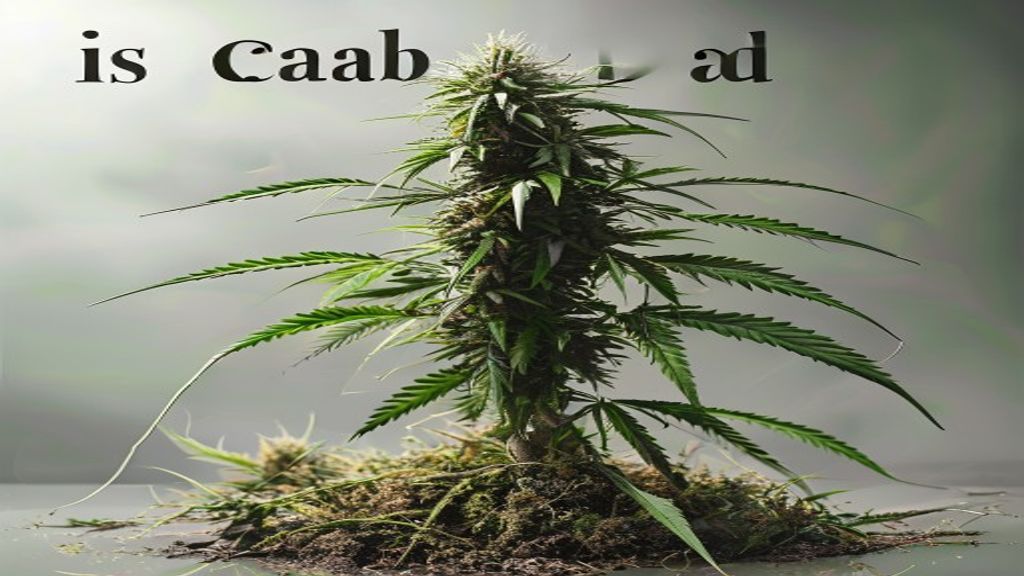
The most reliable method for determining if a cannabis plant is dead involves checking the cambium—the thin layer of living tissue located just beneath the outer bark or epidermis of the stem. Use a clean fingernail or a small sterilized blade to gently scratch a small section of the main stalk near the base. If the tissue underneath is green and moist, the plant is still metabolically active.
If the scratch test reveals a brown, dry, or woody interior, repeat the test higher up the plant. Sometimes, the lower sections of a plant may perish while the upper sections remain viable, particularly in cases of localized fungal infections. However, if the base of the stalk is dead, the upper portions will eventually follow as they are severed from their water source. Always perform this test with caution to avoid creating an entry point for opportunistic pathogens.
| Observation | Likely Cause | Immediate Action |
|---|---|---|
| Drooping but Green | Underwatering or heat stress | Hydrate and reduce light intensity. |
| Yellowing from Bottom Up | Nitrogen deficiency or pH imbalance | Adjust pH and provide balanced fertilizer. |
| Sudden Leaf Drop | Temperature shock or toxic salt buildup | Flush substrate with pH-balanced water. |
Revitalization Strategies for Stressed Specimens
If your assessment confirms that the plant is still alive, immediate intervention is required. The first step is to stabilize the environment by ensuring a consistent temperature between 70-75°F and a relative humidity of approximately 50-60%. Reducing the light intensity is also crucial, as a stressed plant cannot efficiently process high levels of photon energy during its recovery phase.
- Hydration Calibration: If the substrate is bone dry, rehydrate slowly to avoid shocking the roots. If overwatered, provide increased airflow to the pots.
- Nutrient Flushing: Use a mild solution of pH-balanced water to leach out excess salts that may be causing nutrient lockout.
- Pruning Necrotic Tissue: Remove entirely dead, crispy leaves to prevent them from attracting mold, but keep any leaves that still show signs of green.
- Root Stimulation: Apply kelp extracts or humic acid to encourage new root hair development and reduce transplant-like shock.
Key Takeaways
- Check the Stems: Flexibility and the presence of green internal tissue are the strongest indicators of life.
- Analyze the Roots: Brown, foul-smelling roots indicate advanced rot, which is often fatal if not caught early.
- Perform the Scratch Test: A green cambium layer signifies that the plant’s vascular system is still functional.
- Reduce Stress: Lower light intensity and stabilize temperatures to allow the plant to focus energy on cellular repair.
Frequently Asked Questions
Can a cannabis plant recover from a snapped main stem?
Yes, cannabis plants have a robust vascular system. If the stem is not completely severed, you can “splint” it back together using tape and support. As long as the two ends make contact, the plant will usually form a callous and continue growing, though it may be stunted for several days during the healing process.
How long does it take for a stressed plant to show signs of recovery?
Typically, a cannabis plant will show signs of stabilized turgor pressure within 24 hours of proper watering. However, new vegetative growth or a reversal of chlorosis may take 7 to 10 days, as the plant must first repair internal cellular damage before prioritizing new foliage.
Is it possible to revive a plant that has lost all its leaves?
While extremely difficult, it is possible if the stem remains green and the root system is healthy. The plant will need to rely on stored carbohydrates within the stalk to push out new growth from dormant buds at the nodes. This process requires very low light and minimal water to prevent further stress.
About the Author