The final stage of a successful cultivation cycle culminates in the harvest and manicuring process, a critical phase that defines the ultimate quality of the consumable product. Understanding how to trim my cannabis plant is a vital skill for any serious cultivator, as the final manicuring process directly influences the potency, flavor, and shelf-life of the flowers. Beyond simple aesthetics, trimming removes excess foliage that lacks significant trichome density, thereby concentrating the terpene profile and reducing the harshness associated with chlorophyll-rich fan leaves. This post-harvest procedure requires a delicate balance of precision and patience to ensure the delicate resin glands remain intact throughout the handling process.
Mastering the Harvest: How to Trim My Cannabis Plant for Maximum Quality
Whether you are aiming for top-shelf bag appeal or simply want to maximize the smoothness of your personal supply, the method you choose—be it wet or dry trimming—will dictate the rate of moisture loss and the eventual preservation of aromatic compounds. By mastering these techniques, you transform raw biomass into a refined product characterized by a clean burn and a complex sensory experience. This guide provides a technical overview of the manicuring process, designed to elevate your cultivation results through proven horticultural practices and meticulous attention to detail.
Determining the Ideal Trimming Methodology
Before beginning the physical labor, a cultivator must decide between wet trimming and dry trimming. This decision is largely influenced by the local climate, specifically the ambient humidity levels of the drying environment. Wet trimming involves removing leaves immediately after the plant is harvested, while the moisture content is still high. This approach is often preferred in high-humidity environments to increase airflow and reduce the risk of mold or fungal pathogens.
Conversely, dry trimming occurs after the plant has been hung to dry for several days, typically when the branches reach a specific “snap” point. This method is generally favored by connoisseurs because the presence of leaves during the drying process slows down moisture evaporation, allowing for a more thorough breakdown of chlorophyll and a superior terpene profile. The table below outlines the primary differences between these two industry standards.
| Feature | Wet Trimming | Dry Trimming |
|---|---|---|
| Drying Speed | Accelerated | Decelerated (Standard) |
| Ease of Use | Higher (Leaves are rigid) | Lower (Leaves are curled) |
| Terpene Retention | Moderate | Optimal |
| Mold Risk | Decreased | Increased in high humidity |
Essential Equipment for a Professional Finish
The quality of your manicure is directly correlated to the tools utilized during the process. Precision is paramount to avoid damaging the calyxes or bruising the delicate glandular trichomes. High-carbon steel or titanium-coated shears are recommended to minimize resin buildup, which can quickly dull blades and hinder progress. Ergonomics should also be a priority, as the repetitive motion of trimming can lead to hand fatigue over long sessions.
Recommended Tool Inventory
To achieve a professional-grade finish, ensure you have a clean workspace and the following specialized equipment ready before you begin the process of how to trim my cannabis plant.
| Tool Name | Primary Function |
|---|---|
| Curved Micro-tip Shears | Precision removal of small sugar leaves near the bud core. |
| Straight Snips | Initial breakdown of large branches and fan leaf removal. | Collecting fallen resin (kief) and sugar leaves for processing. |
| Isopropyl Alcohol (70%+) | Sterilizing blades and removing sticky resin buildup. |
| Nitrile Gloves | Protecting hands and preventing cross-contamination. |
Step-by-Step Guide on How to Trim My Cannabis Plant
The manicuring process requires a systematic approach to ensure uniformity across the entire harvest. Systematic removal of foliage prevents the accidental “shaving” of the flower, which can result in a loss of valuable material and a degraded aesthetic. Follow these steps to ensure a high-quality result.
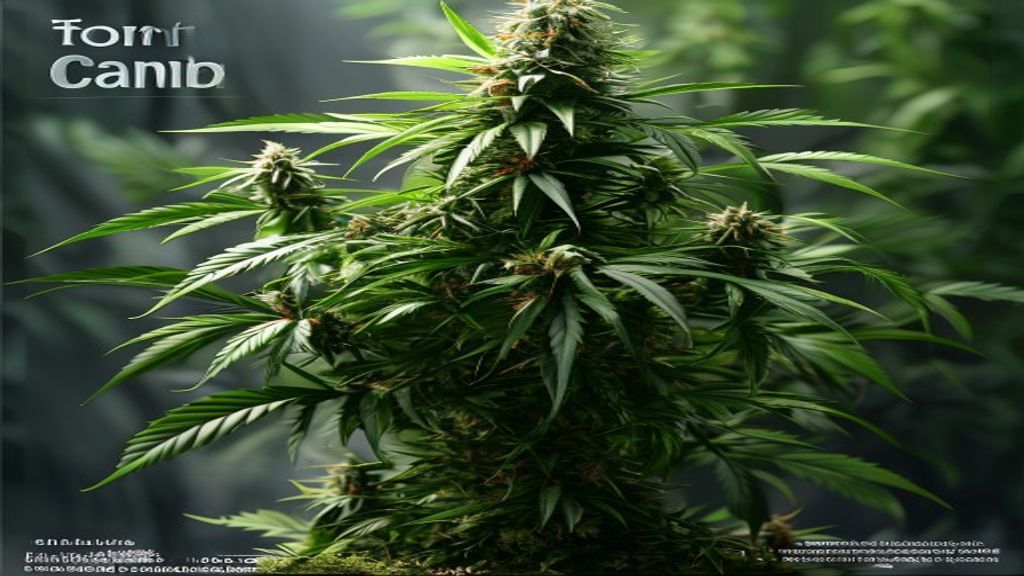
1. The Primary Breakdown
Begin by removing the large fan leaves. These leaves contain very little resin and are the primary source of chlorophyll. If you are wet trimming, these can be pulled by hand or snipped at the base of the petiole. Removing these first provides a clearer view of the flower structure and improves access to the smaller sugar leaves tucked between the bracts.
2. Manicuring the Sugar Leaves
Focus on the leaves that are protruding from the buds. These “sugar leaves” are often covered in trichomes and can be saved for extraction or hash making. Angle your scissors to follow the natural contour of the flower. Avoid “digging” into the bud; instead, snip the leaves where they emerge from the central stem. The goal is to create a tight, aerodynamic shape that highlights the resin-covered calyxes.
3. Removing “Crow’s Feet”
Crow’s feet are the small, three-fingered leaves that often hide at the base of the flower clusters. These are frequently overlooked but can contribute to a harsh smoke if left intact. Use the tips of your curved shears to reach into these crevices. Precise removal here distinguishes a professional trim from an amateur one.
Post-Trimming Storage and Curing Integration
Once the trimming is complete, the flowers must be transitioned into the curing phase. Curing is a biological process where residual moisture from the center of the bud migrates to the exterior, while starches and chlorophyll continue to decompose. This process stabilizes the product and ensures it remains shelf-stable. Properly trimmed buds cure more evenly than those with excess foliage, as there is less non-essential plant matter to trap moisture.
- Store trimmed buds in airtight glass containers.
- Maintain a relative humidity (RH) of 58% to 62% inside the jars.
- “Burp” the containers daily for the first two weeks to release gases.
- Keep the storage area in a cool, dark environment to prevent THC degradation.
Key Takeaways
- Precision Matters: Always use sharp, sterilized shears to protect the integrity of the trichomes.
- Environment Dictates Strategy: Use wet trimming for high humidity and dry trimming for low humidity to control the drying rate.
- Nothing Goes to Waste: Save your “trim” (sugar leaves) for making concentrates or topicals, as they contain significant cannabinoid levels.
- Ergonomics: Invest in spring-loaded scissors to prevent repetitive strain during long harvest sessions.
Frequently Asked Questions
How long does it take to trim a cannabis plant?
Trimming speed varies based on the density of the flowers and the cultivar’s leaf-to-calyx ratio. On average, a skilled trimmer can process approximately one pound of dried flower in an eight-hour shift. Beginners should expect to work significantly slower to maintain quality.
Should I use a trimming machine?
Trimming machines are efficient for large-scale commercial operations but often result in a loss of trichomes and a “shaved” appearance. For boutique-quality flowers and personal grows, hand-trimming remains the gold standard for preserving potency and aesthetics.
Can I trim my plants before harvesting them?
It is common practice to remove large fan leaves a few days before harvest (a process called “defoliation”) to improve light penetration and ease the workload on harvest day. However, the final manicure should always occur during or after the harvest for the best results.
How do I know if I have trimmed too much?
A “tight trim” is usually desirable, but you have gone too far if you start cutting into the actual calyxes or the structure of the bud itself. If the flower looks “pitted” or you see cut seeds or internal stems, you are being too aggressive with your shears.
About the Author