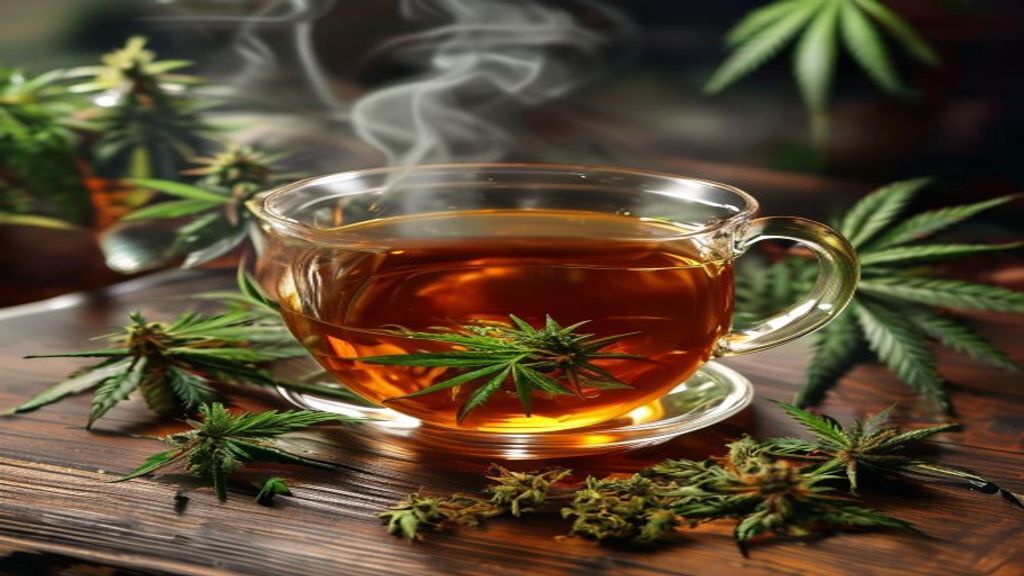
Understanding the biochemical nuances of cannabinoid extraction is essential for any enthusiast seeking a smoke-free alternative to traditional consumption. When determining how to make tea with cannabis, one must move beyond the conventional infusion methods used for standard herbal tisanes. Unlike water-soluble herbs, the active compounds in the cannabis plant—specifically tetrahydrocannabinol (THC) and cannabidiol (CBD)—are lipophilic, meaning they require a fat-based carrier to become bioavailable in a liquid medium. Simply steeping raw flowers in boiling water will yield a pleasant-tasting beverage, but it will lack the psychoactive or therapeutic potency desired by most users.
This comprehensive guide explores the intersection of organic chemistry and culinary technique to ensure your infusion is both effective and palatable. By mastering the processes of decarboxylation and lipid-based extraction, you can create a sophisticated beverage that offers a controlled, long-lasting experience. Whether you are seeking relief from chronic symptoms or a refined recreational ritual, the following methods provide a scientifically grounded approach to cannabis-infused tea. Precision in temperature and timing is the hallmark of a successful brew, transforming raw botanical material into a potent, ingestible elixir.
A Comprehensive Guide on How to Make Tea with Cannabis for Maximum Efficacy
The Science of Cannabinoid Solubility
To successfully execute how to make tea with cannabis, one must understand that cannabinoids are hydrophobic. In their natural state, these compounds exist as acids (THCA and CBDA) and are not readily absorbed by the human digestive tract when dissolved in water alone. To facilitate a successful transfer from the plant material to the tea, a lipid or alcohol must be present to act as a solvent.
The choice of lipid significantly impacts the metabolic rate and the flavor profile of the final product. Saturated fats, such as those found in coconut oil or grass-fed butter, provide an excellent molecular structure for cannabinoid binding. Without these carriers, the majority of the active compounds remain trapped within the plant matter or adhere to the sides of the brewing vessel, resulting in a negligible physiological effect.
Essential Preparation: The Decarboxylation Process
Decarboxylation is the most critical step in preparing cannabis for ingestion. This chemical reaction removes a carboxyl group from the cannabinoid acids, converting THCA into the psychoactive THC. This process occurs naturally over time or through the application of heat. For tea preparation, manual decarboxylation in an oven ensures that the cannabinoids are “activated” before they ever touch the water.
Recommended Decarboxylation Parameters
Precision is vital during this stage; excessive heat can degrade delicate terpenes and convert THC into CBN, which has a more sedative effect. The following table outlines the ideal conditions for preparing your material:
| Cannabinoid Goal | Temperature (Fahrenheit) | Duration (Minutes) | Expected Result |
|---|---|---|---|
| THC Activation | 240°F | 30–40 | High psychoactivity |
| CBD Activation | 280°F | 60–90 | Anti-inflammatory focus |
| Terpene Preservation | 220°F | 45–50 | Flavor-rich profile |
The Step-by-Step Brewing Methodology
Once your material is decarboxylated, you can begin the infusion process. There are two primary methods: the direct simmer method and the “canna-butter” addition method. The latter is often preferred for its consistency and ease of dosing, as it involves adding a pre-made cannabis-infused fat directly to a hot cup of tea.
Required Ingredients and Tools
- 0.5 to 1 gram of decarboxylated cannabis flower (per serving).
- 1 bag of your preferred herbal or caffeinated tea.
- 1 tablespoon of a binding agent (coconut oil, unsalted butter, or whole milk).
- 2 cups of filtered water.
- Fine-mesh strainer or cheesecloth.
Optimizing Dosing and Bioavailability
When ingesting cannabis, the liver metabolizes THC into 11-hydroxy-THC, a compound that is significantly more potent and has a longer half-life than inhaled THC. This results in a delayed onset—typically between 60 to 90 minutes—and a duration that can exceed six hours. It is imperative to start with a low dose, especially for those unfamiliar with the pharmacokinetics of edibles.
The efficacy of your tea can be further enhanced by adding lecithin, an emulsifier that helps bind the fats and water more uniformly, increasing the surface area for cannabinoid absorption in the small intestine. This technological addition can decrease onset time and improve the overall “smoothness” of the beverage’s effects.
| Carrier Type | Extraction Efficiency | Flavor Impact |
|---|---|---|
| Coconut Oil | Very High | Mild, tropical notes |
| Butter | High | Rich, savory mouthfeel |
| Whole Milk/Cream | Moderate | Neutral, traditional |
Key Takeaways for Successful Infusion
- Never skip decarboxylation: Raw cannabis will not provide the desired effects in tea.
- Include a fat source: Cannabinoids require lipids for transport and absorption.
- Control the temperature: Avoid a rolling boil; a gentle simmer prevents the degradation of active compounds.
- Patience is required: Edible onset is slow; wait at least two hours before considering a second serving.
Frequently Asked Questions
How long does cannabis tea stay fresh?
Cannabis-infused tea should be consumed within 24 hours if made with milk or butter. If you have created a concentrated oil infusion separately, it can be stored in a cool, dark place for several months, allowing you to add it to fresh tea whenever desired.
Can I use cannabis stems instead of flower?
While stems contain much lower concentrations of cannabinoids than flower, they can be used for a very mild tea. However, you will need a significantly larger volume of material, and the flavor may be more “woody” or “chlorophyll-heavy” compared to flower-based infusions.
Will cannabis tea smell like marijuana?
The decarboxylation process produces a noticeable aroma in the kitchen. During the brewing phase, the scent is less pungent but still identifiable. Adding strong aromatics like ginger, cinnamon, or peppermint can help mask the herbal scent of the cannabis.
Is it possible to make a non-psychoactive version?
Yes. If you use high-CBD hemp flower and decarboxylate at the appropriate temperature, you will produce a tea that offers relaxation and anti-inflammatory benefits without the “high” associated with THC. Alternatively, skipping the decarboxylation step entirely will leave the cannabinoids in their acidic form (THCA), which some users value for raw nutritional benefits.
About the Author