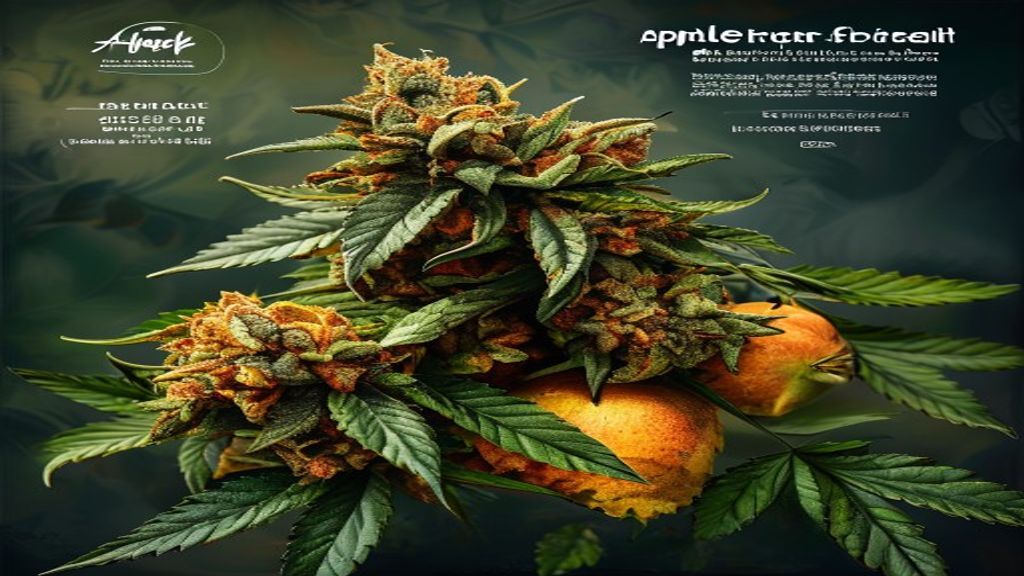
The Apple Fritter weed strain has rapidly ascended the ranks of the cannabis hierarchy, establishing itself as a premier cultivar for both connoisseurs and commercial producers. Known for its remarkable potency and complex organoleptic profile, this hybrid has earned its reputation through consistent performance and high-profile accolades, including a coveted spot on the High Times “World’s Strongest Strains” list. As a balanced hybrid that merges the best of indica and sativa lineages, it offers a sophisticated experience that transcends simple intoxication, providing a nuanced physiological and psychological impact. Understanding the nuances of this strain requires an investigation into its genetic foundation, chemical composition, and the specific cultivation requirements that allow its unique phenotypic expressions to flourish.
Understanding the Apple Fritter Weed Strain: Genetics, Potency, and Profile
The Genetic Heritage of Apple Fritter
The Apple Fritter weed strain is a true hybrid, originally developed by the Northern California-based breeders at Lumpy’s Flowers. It represents a masterful cross between two heavy-hitting cultivars: Sour Apple and Animal Cookies. This lineage is significant because it combines the sharp, acidic fruitiness of the Sour Apple with the dense, resinous, and earthy characteristics of the Cookies family. The result is a phenotype that demonstrates exceptional hybrid vigor.
Sour Apple contributes the requisite sweetness and uplifting clarity, while Animal Cookies—a descendant of GSC and Fire OG—provides the structural integrity and sedative depth found in the finished flower. By bridging these two distinct ancestral lines, breeders have created a strain that maintains a 50/50 balance between indica and sativa effects. This genetic stability is a primary reason why Apple Fritter remains a staple in high-end dispensaries across the United States.
Chemical Composition and Potency
From a pharmacological perspective, Apple Fritter is categorized as a high-potency cultivar. THC concentrations frequently exceed 25%, with some laboratory tests recording levels as high as 30% or more in optimized environments. This extreme cannabinoid density makes it more suitable for experienced consumers who have developed a higher tolerance for psychoactive substances. While CBD levels remain relatively low, typically under 1%, the entourage effect created by its secondary cannabinoids and terpenes significantly enhances its overall efficacy.
| Attribute | Specification |
|---|---|
| Genetic Type | 50% Indica / 50% Sativa |
| Average THC Content | 25% – 32% |
| Dominant Terpenes | Caryophyllene, Limonene, Pinene |
| Secondary Cannabinoids | CBG, CBC (trace amounts) |
| Flowering Time | 8 – 10 Weeks |
Sensory Experience: Terpenes and Flavors
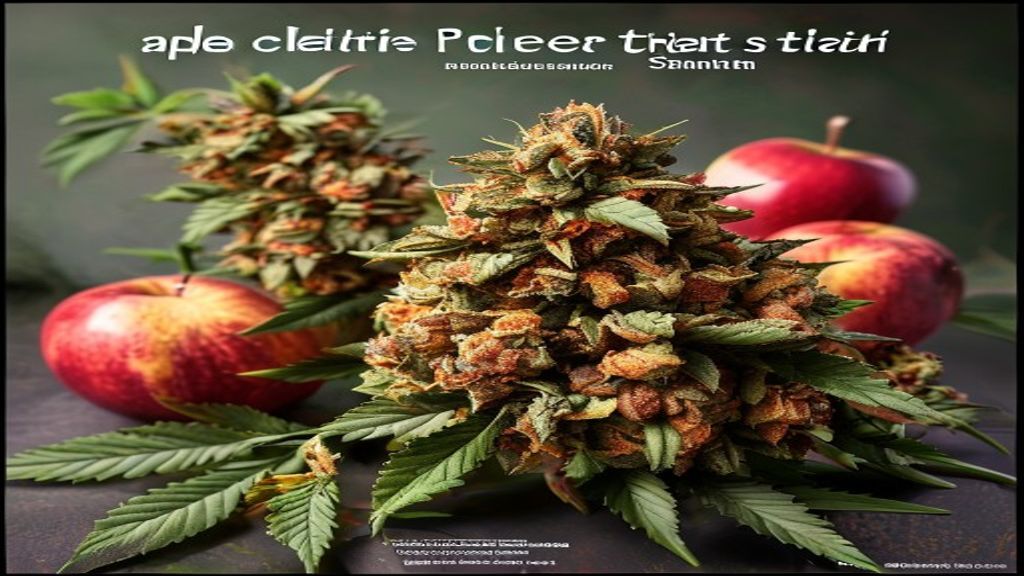
The sensory profile of the Apple Fritter weed strain is perhaps its most distinguishing feature. It evokes the aroma of a warm, sugar-glazed pastry with a distinct undertone of tart green apples. This is not merely a marketing description; it is the result of a specific terpene synergy. Caryophyllene provides a spicy, peppery kick that mimics the warmth of cinnamon, while Limonene adds a citrusy brightness that translates to the apple-like acidity on the palate.
The Role of Myrcene and Pinene
While caryophyllene and limonene dominate the foreground, pinene and myrcene play crucial supporting roles. Pinene offers a resinous, herbal clarity that keeps the sweetness from becoming cloying, whereas myrcene contributes an earthy depth that grounds the flavor profile. Together, these compounds create a smooth, creamy smoke that is often compared to a dessert-like experience, making it a favorite for vaporizing where flavor nuances are more pronounced.
Therapeutic Potential and Effects
The physiological impact of Apple Fritter is characterized by a rapid onset of euphoria followed by a sustained period of physical relaxation. Unlike pure sativas that might induce anxiety or pure indicas that can lead to total sedation, Apple Fritter maintains a delicate equilibrium. It is frequently utilized by patients seeking relief from chronic stress, anxiety disorders, and moderate physical pain without the debilitating “couch-lock” associated with heavier cultivars.
Cognitive and Physical Synergies
The initial phase of the high is largely cerebral, sparking creativity and mental engagement. As the experience progresses, the caryophyllene interacts with the body’s endocannabinoid system to provide analgesic properties. This dual-action effect makes the Apple Fritter weed strain particularly effective for managing evening-time social situations or unwinding after a high-pressure workday while remaining cognitively present.
| Comparison Metric | Apple Fritter | Sour Apple (Parent) |
|---|---|---|
| Primary Effect | Balanced Euphoria/Relaxation | Uplifting/Energetic |
| Flavor Profile | Sweet Dough, Earthy, Apple | Tart, Sour, Chemical |
| THC Range | 24% – 30%+ | 18% – 24% |
| Bud Structure | Dense, Purple Tints | Loose, Bright Green |
Cultivation Insights for the Apple Fritter Weed Strain
Growing the Apple Fritter weed strain requires an intermediate level of horticultural expertise. The plants typically exhibit a robust, bushy structure with heavy lateral branching. Because of the density of the flower clusters, maintaining low humidity levels during the final weeks of flowering is critical to prevent the development of botrytis or powdery mildew. Pruning and defoliation are essential techniques to ensure adequate light penetration and airflow throughout the canopy.
Indoor growers generally find that this strain responds well to Screen of Green (ScrOG) methods, which help manage its height and maximize yield potential. The strain is also known for its visual appeal; as temperatures drop slightly in the late flowering stage, the foliage often displays deep hues of purple and blue, contrasted by thick, white trichome coverage. This resin production makes it an excellent candidate for the extraction of live resin or solventless rosin.
Key Takeaways:
- Apple Fritter is an elite hybrid resulting from the cross of Sour Apple and Animal Cookies.
- It boasts an exceptionally high THC content, often surpassing the 25% threshold.
- The flavor profile is uniquely reminiscent of sweet pastries and tart apples.
- It offers a balanced effect suitable for both mental stimulation and physical relief.
- Cultivators should prioritize humidity control due to the extreme density of the buds.
Frequently Asked Questions
Is Apple Fritter a sativa or indica?
Apple Fritter is an evenly balanced hybrid, consisting of approximately 50% indica and 50% sativa genetics. This balance allows it to provide the benefits of both types without leaning too heavily into either sedation or overstimulation.
What are the primary medical uses for Apple Fritter?
Patients often utilize this strain to manage chronic stress, depression, and generalized anxiety. Its anti-inflammatory properties, driven by high levels of caryophyllene, also make it effective for managing minor aches and chronic pain.
How difficult is it to grow Apple Fritter?
It is considered moderately difficult to grow. While it is a hardy plant, its dense bud structure and high resin content make it susceptible to mold if environmental conditions are not strictly controlled, particularly in terms of humidity and airflow.
What does Apple Fritter taste like?
The flavor profile is characterized by a sweet, doughy foundation with notes of tart apple, light spice, and a subtle earthy finish. It is often described as tasting like a freshly baked apple pastry.
About the Author