
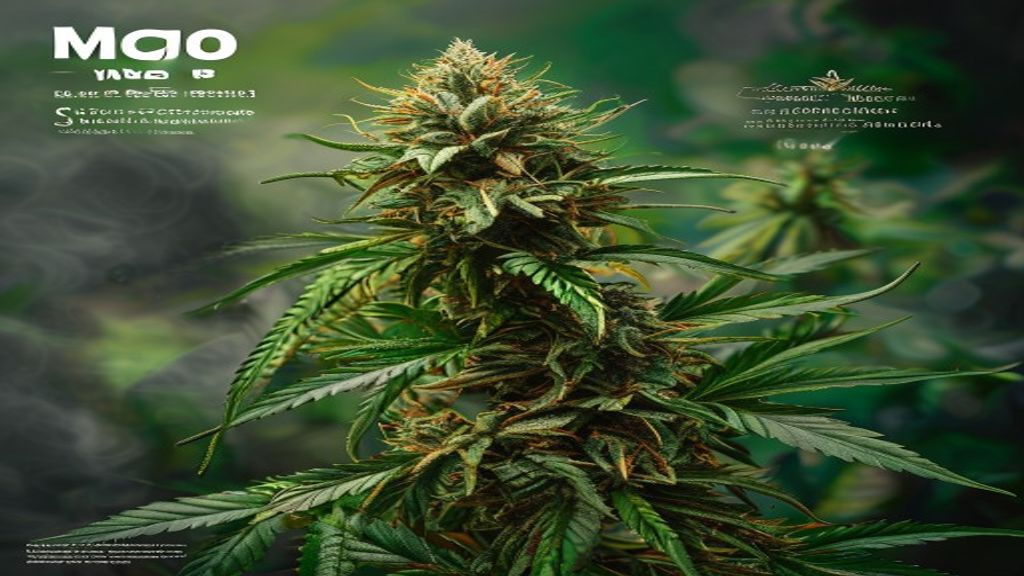
The cannabis market is increasingly defined by a shift toward artisanal excellence and genetic specificity, and the Mojo weed strain exemplifies this transition. As consumers move away from generic classifications, they seek cultivars that offer a sophisticated balance of potency, distinct aromatic profiles, and predictable physiological outcomes. The Mojo weed strain, often recognized for its heavy-hitting indica-dominant characteristics, has carved out a niche among experienced users who prioritize depth over superficial effects. Its genetic lineage suggests a meticulous breeding process aimed at maximizing terpene retention and resin production, making it a favorite for both flower enthusiasts and concentrate manufacturers.
Understanding the nuances of this strain requires an analysis of its chemical composition and the historical context of its parentage. Whether utilized for its sedative properties or its complex sensory palette, Mojo represents a masterclass in modern horticultural technique. This guide provides a comprehensive overview of the strain’s genetic heritage, sensory characteristics, and cultivation requirements, ensuring that both cultivators and consumers can approach this plant with a high degree of technical proficiency. By examining the structural integrity of its growth patterns and the synergistic relationship between its cannabinoids and terpenoids, we can better appreciate why this cultivar remains a staple in high-end dispensaries.
Genetics and Ancestry of the Mojo Weed Strain
The genetic foundation of the Mojo weed strain is primarily rooted in robust indica lineages, often linked back to legendary cultivars such as G13 and Hash Plant. This specific combination results in a plant that displays high morphological stability and a significant concentration of trichomes. The “Mojo” moniker is frequently associated with breeders like Ocean Grown Seeds, who have utilized these genetics to stabilize a phenotype that favors density and high phytocannabinoid yields.
The evolutionary history of these genetics points toward a lineage optimized for resilience. By selecting for shorter internodal spacing and a more expansive leaf surface area, breeders have ensured that Mojo can maximize light absorption while maintaining the structural strength necessary to support heavy floral clusters. This careful selection process has resulted in a cultivar that is not only potent but also remarkably consistent across various growing environments.
Phenotypical Variations
While the dominant phenotype is strictly indica-leaning, some variations may exhibit slight sativa traits in their growth speed. However, the end product almost universally reflects its heavy Afghani ancestry. Maintaining genetic purity is essential for cultivators seeking to replicate the specific “Mojo” experience, which is characterized by a slow-creeping onset followed by a profound physical relaxation.
Aroma, Flavor, and Terpene Composition
The olfactory profile of the Mojo weed strain is complex, moving beyond simple “earthy” descriptions to provide a layered experience of musk, pine, and subtle citrus undertones. This complexity is the result of a specific terpene arrangement that defines the strain’s identity. The primary terpene, myrcene, contributes to the herbal base, while secondary terpenes like caryophyllene and limonene add spicy and bright notes, respectively.
| Terpene | Aroma Profile | Potential Benefit |
|---|---|---|
| Myrcene | Earthy, Musky, Herbal | Sedation and muscle relaxation |
| Beta-Caryophyllene | Spicy, Peppery, Woody | Anti-inflammatory properties |
| Limonene | Citrus, Tart, Sweet | Mood elevation and stress relief |
When consumed, the flavor mirrors the aroma but often introduces a “hashy” or incense-like quality on the exhale. This is indicative of its high resin content, a trait inherited from its Hash Plant ancestors. Connoisseurs often note that the smoke is dense and expansive, requiring a controlled inhalation to fully appreciate the nuanced flavor transitions from earth to spice.
Therapeutic and Psychoactive Effects
The Mojo weed strain is recognized for its high THC concentration, typically ranging between 18% and 24%. This potency makes it a formidable choice for seasoned users, while novices are advised to approach it with caution. The effects are primarily “bottom-heavy,” meaning they manifest as a significant physical weight and a calming of the central nervous system. This makes the strain an ideal candidate for evening use or for managing conditions that require deep relaxation.
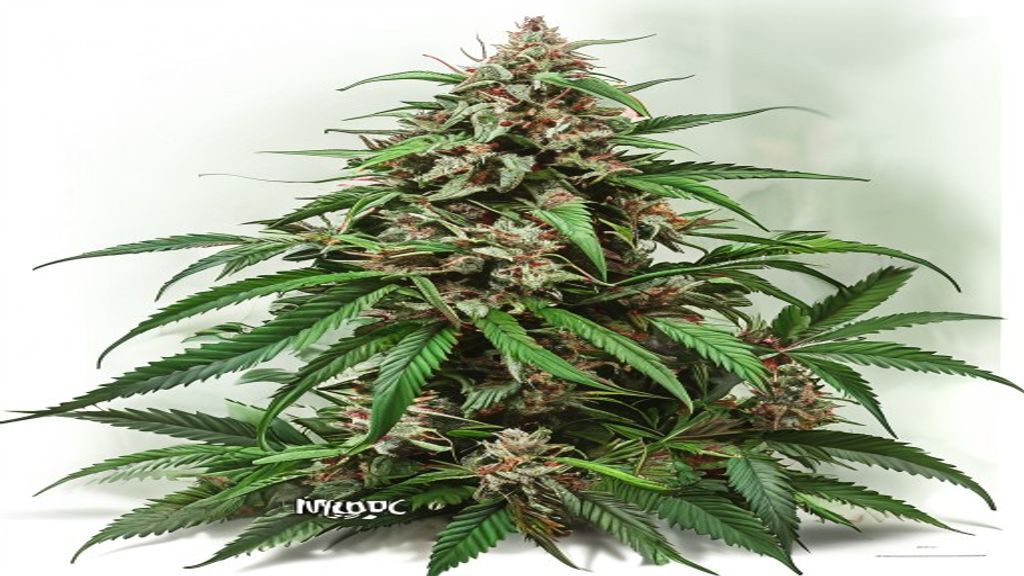
Key Takeaways
- Sedative Efficacy: High levels of myrcene enhance the “couch-lock” effect common in this strain.
- Cognitive Impact: Expect a tranquilizing mental state rather than a high-energy cerebral buzz.
- Therapeutic Applications: Often utilized by those seeking relief from chronic pain, insomnia, and muscle spasms.
- Duration: The effects are known for their longevity, often lasting three to four hours.
Cultivation Specifications and Growing Tips
Cultivating the Mojo weed strain requires an understanding of indica growth patterns. The plants tend to stay relatively short and bushy, which makes them excellent candidates for indoor grows where vertical space may be limited. However, their density necessitates a robust ventilation system to prevent moisture accumulation within the buds, which can lead to mold or mildew issues.
To maximize yields, growers often employ the Sea of Green (SOG) or Screen of Green (SCROG) methods. These techniques encourage a more even canopy, ensuring that lower bud sites receive adequate light penetration. Because Mojo is a heavy feeder, a consistent nutrient regimen rich in phosphorus and potassium during the flowering stage is critical for achieving maximum resin production.
| Feature | Mojo Details | Comparison (Standard Indica) |
|---|---|---|
| Flowering Time | 8-9 Weeks | 7-9 Weeks |
| Yield Potential | Medium to High | Medium |
| Difficulty Level | Intermediate | Easy to Intermediate |
| Odor Level | High/Pungent | Variable |
Outdoor cultivation is possible in Mediterranean climates, but the dense structure of the buds makes them sensitive to late-season humidity. Harvesting should occur when the trichomes have transitioned from milky white to a slight amber hue, signifying peak cannabinoid maturity and the highest possible sedative potential.
Frequently Asked Questions
Is the Mojo strain suitable for daytime use?
Due to its significant sedative properties and high THC content, Mojo is generally not recommended for daytime use if you have tasks requiring high focus or physical activity. It is best suited for evening or nighttime consumption when relaxation is the primary goal.
What are the most common side effects of Mojo?
Common side effects include xerostomia (dry mouth) and dry eyes. Due to its potency, some users may experience slight dizziness or increased anxiety if consumed in excessive quantities, though its indica nature usually leans toward calming effects.
How does Mojo compare to OG Kush?
While both are indica-dominant, Mojo tends to offer a more profound physical “stone” compared to the more balanced, euphoric high of OG Kush. Mojo’s lineage is more closely tied to hash-producing varieties, leading to a denser smoke and a more spicy, earthy flavor profile compared to the fuel-heavy notes of OG Kush.
Can Mojo be grown in a greenhouse?
Yes, Mojo performs exceptionally well in a greenhouse environment where humidity and temperature can be strictly monitored. The added protection from the elements allows the dense buds to mature fully without the risk of rot, provided there is adequate airflow within the structure.
About the Author