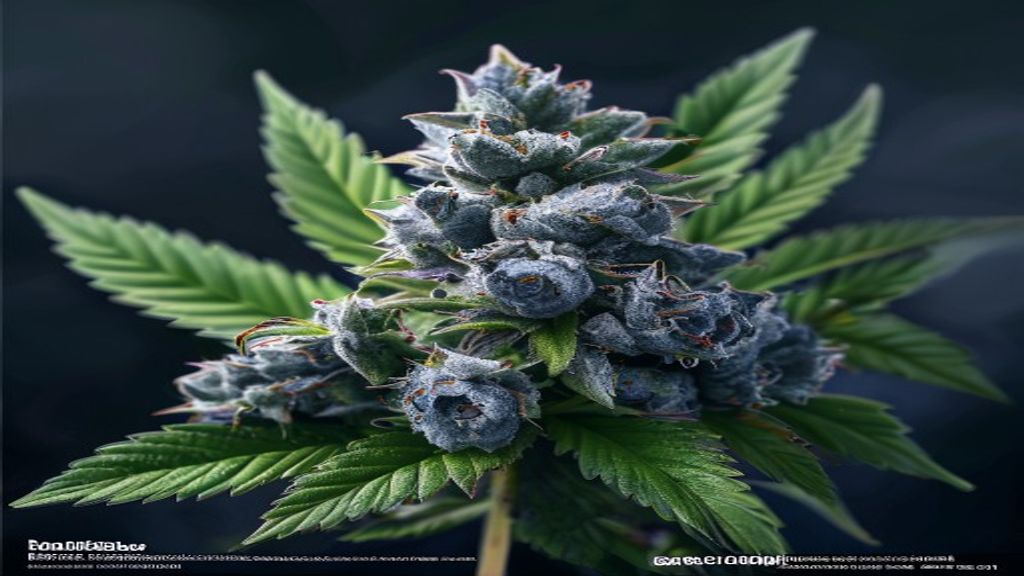
The blueberry weed strain remains a cornerstone of modern cannabis breeding, representing a masterclass in genetic stabilization and sensory appeal. Developed during the late 1970s and early 1980s by the legendary breeder DJ Short, this indica-dominant hybrid has maintained its status as a top-tier cultivar for over four decades. Its enduring popularity is not merely a result of its nostalgic value but is rooted in a sophisticated genetic pedigree that combines landrace genetics from disparate regions of the globe. By meticulously crossing Afghani Indica with Highland Thai and Purple Thai Sativa varieties, DJ Short successfully isolated a phenotype that offers a unique balance of physical relaxation and cerebral clarity.
For connoisseurs and medicinal users alike, the blueberry weed strain is synonymous with a distinct aromatic profile that mimics fresh forest fruit. This phytochemical complexity earned it the title of Best Indica at the 2000 High Times Cannabis Cup, a testament to its potency and structural integrity. Understanding the nuances of this strain requires an exploration of its botanical characteristics, the specific environmental conditions required for optimal expression, and the synergistic relationship between its cannabinoids and terpenes. This guide provides an authoritative analysis of the Blueberry lineage for growers and consumers seeking a deeper understanding of this iconic variety.
The Definitive Guide to the Blueberry Weed Strain: History, Genetics, and Effects
The Genetic Origins of the Blueberry Weed Strain
The lineage of Blueberry is a sophisticated tapestry of “Old World” genetics. The primary architectural foundation is an Afghani landrace, which contributes the strain’s stout structure, high resin production, and sedative properties. This was strategically hybridized with two Sativa landraces: Highland Thai (also known as Juicy Fruit) and Purple Thai. The inclusion of these Southeast Asian genetics introduced the signature sweet-and-sour flavor notes and the euphoric “head high” that prevents the strain from being purely somnolent.
Because Blueberry is the result of such stable parental lines, it has become a foundational “building block” for countless other hybrids. Popular descendants include Blue Dream, Berry White, and Blueberry Kush. The original blueberry weed strain is often referred to as “DJ Short Blueberry” to distinguish the authentic heirloom genetics from more recent, less stable imitations that flood the commercial market.
Phenotypic Variation and Stability
While the strain is globally recognized, it exhibits interesting phenotypic variation depending on the specific seed stock. Some phenotypes lean more heavily toward the Afghani side, producing dense, spade-shaped buds, while others display the elongated, wispy structure of the Thai Sativa. However, the consistency of the berry aroma remains the primary identifying marker across all legitimate variations of the strain.
Sensory Profiles and Terpene Composition
The sensory experience of Blueberry is dominated by its namesake fruit, but a technical analysis reveals a more complex layers. The aroma is characterized by a “musky sweetness,” often compared to blueberry muffins or jam. When the buds are broken apart, deeper notes of spicy earth and forest floor emerge, providing a grounding counterpoint to the high-fructose top notes. This profile is driven by a specific concentration of secondary metabolites.
Primary Terpenes in Blueberry
- Myrcene: The most abundant terpene, responsible for the sedative “couch-lock” effect and earthy undertones.
- Caryophyllene: Adds a hint of peppery spice and interacts with the CB2 receptors to provide anti-inflammatory benefits.
- Pinene: Contributes a sharp, forest-like scent and may help mitigate some of the short-term memory impairment associated with high THC consumption.
| Attribute | Average Specification |
|---|---|
| Genetic Classification | 80% Indica / 20% Sativa |
| Average THC Content | 16% – 24% |
| Dominant Terpenes | Myrcene, Caryophyllene, Pinene |
| Flowering Time | 7 – 9 Weeks |
| Typical Yield | Moderate to High (14–18 oz/m²) |
Cultivating the Blueberry Phenotype
Growing the blueberry weed strain requires a moderate level of horticultural expertise, as the plants can be sensitive to over-fertilization. They prefer a consistent environment with strictly controlled humidity levels to prevent bud rot, which can occur due to the extreme density of the flowers. For indoor growers, maintaining a temperature drop during the nocturnal cycle in the final weeks of flowering is essential to trigger the expression of anthocyanins.
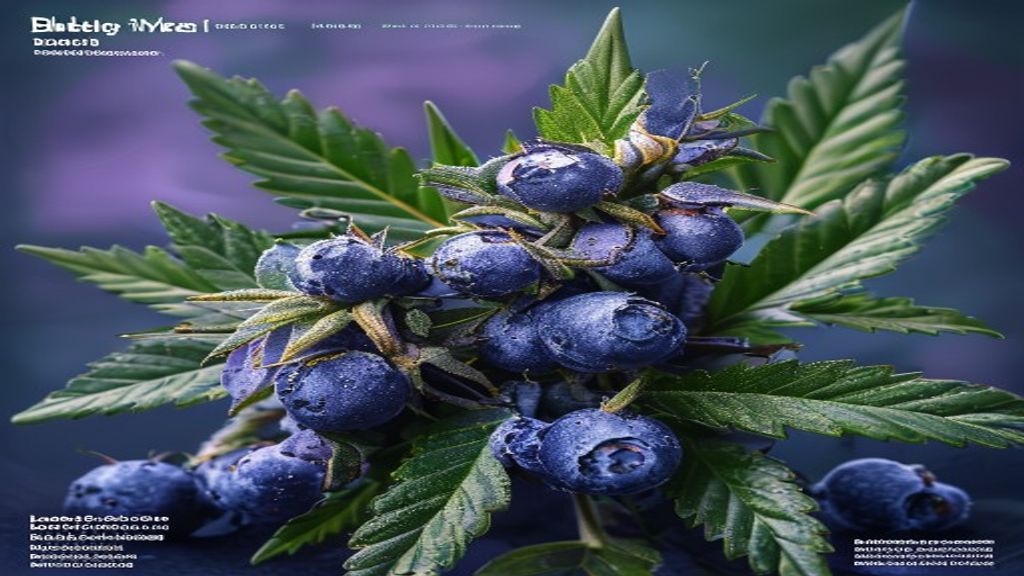
Anthocyanins are the pigments responsible for the stunning hues of purple, blue, and red that the strain is famous for. Without this temperature fluctuation, the buds may remain primarily green, though the potency and flavor will remain unaffected. Organic soil cultivation is often recommended over hydroponic systems for this specific strain, as it tends to enhance the natural terpene production, resulting in a more robust flavor profile.
| Feature | Blueberry (Original) | Blue Dream (Descendant) |
|---|---|---|
| Dominance | Indica-Dominant | Sativa-Dominant |
| Experience | Deep relaxation, sleep aid | Creative, energetic, social |
| Difficulty | Moderate (Sensitive to nutrients) | Easy (Very resilient) |
| Growth Pattern | Short and bushy | Tall and lanky |
Therapeutic Applications and Effects
The effects of the Blueberry strain are characterized by a “creeper” onset, meaning the physical sensations may take several minutes to fully manifest. Once the effects take hold, users typically experience a profound sense of muscular relaxation and a dissipation of psychological stress. Because of its high THC content and myrcene levels, it is frequently utilized by patients suffering from chronic pain, insomnia, and muscle spasms.
Beyond its physical applications, Blueberry is often noted for its “happy” euphoria. Unlike some pure Indicas that can cause a “heavy” or dark headspace, the Thai Sativa influence in Blueberry provides a gentle uplift that can help alleviate symptoms of depression and anxiety. It is best suited for evening or nighttime use, as the later stages of the high typically lead to a restful and undisturbed sleep.
Key Takeaways
- Heritage: A stable hybrid of Afghani and Thai landraces created by DJ Short.
- Appearance: Known for producing deep blue and purple hues when exposed to cooler temperatures.
- Flavor: A legendary palate of sweet berries and earthy spice.
- Utility: Primarily used for evening relaxation, pain management, and combating insomnia.
Frequently Asked Questions
Is the Blueberry weed strain suitable for beginner growers?
While not the most difficult strain, it is categorized as moderate difficulty. Beginners may struggle with its sensitivity to nutrient burn and its specific environmental requirements for color expression.
How long does the high from Blueberry typically last?
The effects are notably long-lasting, often persisting for 3 to 4 hours. The physical relaxation usually outlasts the initial cerebral euphoria.
Does Blueberry always turn purple?
Not necessarily. The purple coloration is a genetic predisposition that requires environmental triggers, specifically cooler nighttime temperatures during the late flowering stage, to manifest.
About the Author