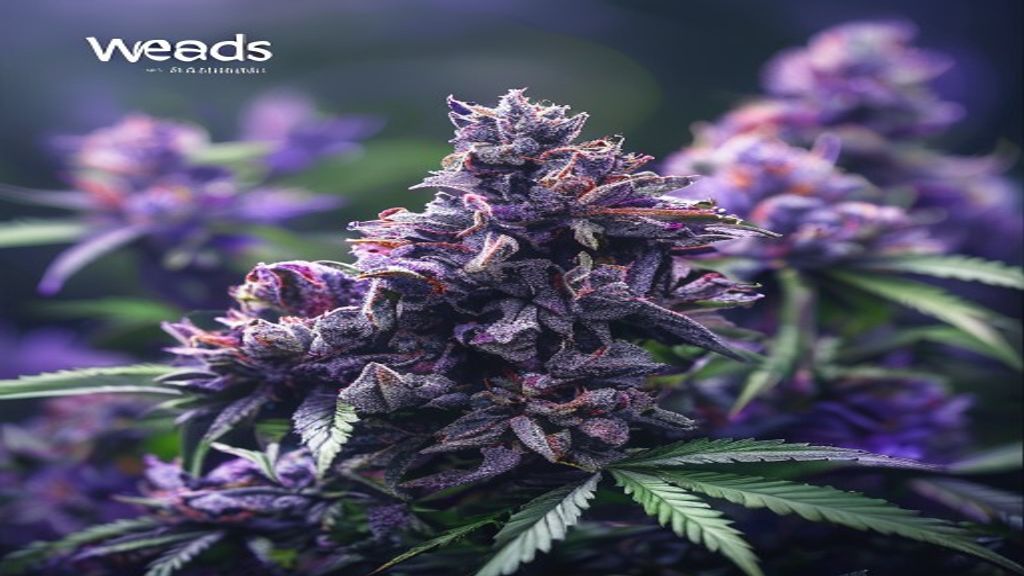
The visual appeal of cannabis has long been a metric of quality for connoisseurs and cultivators alike, with purple-tinted buds often representing the pinnacle of aesthetic excellence. While the emerald green of chlorophyll is the standard for most vegetation, weed strains with purple hues occupy a unique niche in the botanical world, driven by a complex interplay of genetics and environmental variables. These striking shades—ranging from deep indigo and royal violet to subtle lavender—are not merely for show; they are often indicative of specific phytochemical profiles and historical lineages that have shaped the modern cannabis landscape. Understanding why certain cultivars express these pigments requires a dive into plant physiology and the role of secondary metabolites. In this comprehensive guide, we will examine the biological mechanisms behind these color shifts, the most iconic purple varieties available today, and the specific cultivation techniques required to manifest these sought-after traits. Whether you are a consumer seeking specific sensory effects or a grower aiming to optimize your harvest’s visual impact, mastering the nuances of purple cannabis is essential for high-level engagement with the plant.
The Definitive Guide to Weed Strains with Purple Phenotypes
The Biological Mechanisms of Purple Coloration
The primary driver behind the coloration in weed strains with purple characteristics is a group of water-soluble pigments known as anthocyanins. These compounds belong to the flavonoid family and are responsible for the red, blue, and purple colors found in many fruits and vegetables, such as blueberries and red cabbage. In cannabis, anthocyanins are present throughout the plant’s life cycle but are typically masked by the dominant green of chlorophyll, which is essential for photosynthesis.
As the plant approaches maturity and the days grow shorter, chlorophyll production often slows down, allowing the underlying anthocyanins to become visible. This transition is highly dependent on the plant’s genetic makeup; some strains possess a higher density of these flavonoids, making them more likely to turn purple regardless of external factors. The presence of anthocyanins may also serve as a biological defense mechanism, protecting the plant’s tissues from ultraviolet radiation and extreme temperature fluctuations.
Furthermore, the pH levels within the plant’s cellular structure can influence the specific shade expressed. In more acidic environments, anthocyanins tend to appear red or pink, while neutral or slightly alkaline conditions favor the deep purples and blues that are highly prized in the market. This chemical variability explains why the same strain might exhibit different color intensities depending on the specific growing medium and nutrient regimen provided by the cultivator.
Iconic Weed Strains with Purple Genetics
The history of purple cannabis is deeply rooted in landrace strains from mountainous regions, particularly those from the Hindu Kush range. These plants evolved to withstand cooler night temperatures, which naturally triggered anthocyanin production. Over decades of selective breeding, these traits have been stabilized in some of the most famous cultivars in the world.
Granddaddy Purple (GDP) remains perhaps the most recognizable name in this category. Introduced in 2003 by Ken Estes, it is a cross between Purple Urkle and Big Bud, known for its massive, dense flowers and distinct grape aroma. The genetic stability of GDP has made it a foundational parent for countless modern hybrids, ensuring that purple traits continue to proliferate in the contemporary seed market.
| Strain Name | Lineage | Primary Terpene | Color Profile |
|---|---|---|---|
| Granddaddy Purple | Purple Urkle x Big Bud | Myrcene | Deep Royal Purple |
| Purple Haze | Purple Thai x Haze | Terpinolene | Lavender/Violet |
| Mendocino Purps | North Coast Landrace | Caryophyllene | Dark Indigo |
| Grape Ape | Mendocino Purps x Skunk | Linalool | Magenta/Purple |
Phenotypic Variation and Selection
It is important to note that not every seed from a “purple” strain will guaranteed a violet harvest. Cannabis displays significant phenotypic variation, meaning different plants from the same batch of seeds can express different traits. Professional cultivators often use “pheno-hunting” to identify and clone the specific individuals that demonstrate the most intense coloration alongside high cannabinoid content.
Optimizing Environmental Conditions for Color Expression
While genetics provide the blueprint, environmental triggers are often necessary to fully realize the potential of weed strains with purple traits. The most effective method for inducing purple coloration is the manipulation of nighttime temperatures during the flowering stage. A significant drop in temperature—typically between 10 to 15 degrees Fahrenheit—signals the plant to reduce chlorophyll production.
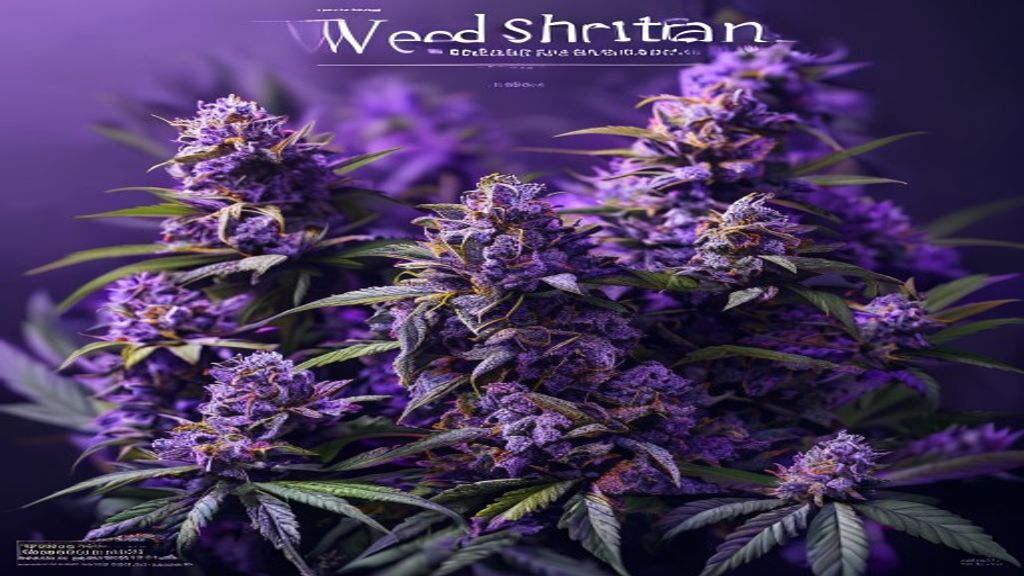
However, this must be managed carefully to avoid stressing the plant to the point of stunted growth. Maintaining a daytime temperature of 75°F and a nighttime temperature of 55-60°F is generally considered the “sweet spot” for color induction without compromising yield or potency. Additionally, light intensity and spectrum play a role; high-intensity discharge (HID) or LED lights with a strong blue spectrum can sometimes enhance flavonoid synthesis.
| Factor | Ideal Range for Color | Impact on Plant |
|---|---|---|
| Night Temperature | 55°F – 62°F | Triggers anthocyanin visibility |
| Root Zone pH | 6.0 – 6.5 | Stabilizes purple pigment shades |
| Light Spectrum | High UV/Blue | Promotes flavonoid production |
Nutrient Considerations and Myths
There is a common misconception that depriving a plant of phosphorus will cause it to turn purple. While phosphorus deficiency can indeed cause stem and leaf discoloration, this is a sign of a sick plant rather than a healthy, purple phenotype. True purple cannabis should result from healthy flavonoid expression, not from nutrient deficiencies or cold-induced damage that compromises the plant’s vascular system.
Terpene Profiles and Physiological Effects
Many consumers associate purple strains with sedative, “indica-leaning” effects. While color itself does not dictate the high, there is a strong correlation between purple genetics and certain terpenes like Myrcene and Linalool. Linalool, also found in lavender, is known for its calming and anti-anxiety properties, which complements the aesthetic of these strains.
- Myrcene: Provides an earthy, musky aroma and is associated with deep physical relaxation.
- Linalool: Contributes floral notes and serves as a potent stress-reliever.
- Caryophyllene: Offers a spicy undertone and may provide anti-inflammatory benefits.
The entourage effect suggests that these terpenes work in synergy with cannabinoids to produce a more holistic experience. Therefore, a purple strain is often sought out not just for its appearance, but for a specific therapeutic profile that prioritizes relaxation and sleep aid over stimulation.
Key Takeaways
- Purple coloration is primarily caused by anthocyanin pigments reacting to genetics and environment.
- Granddaddy Purple and Mendocino Purps are foundational strains for purple genetics.
- Temperature drops during the dark cycle are the most effective way to trigger color changes.
- Color does not inherently mean higher THC, but it often correlates with specific sedative terpene profiles.
What makes weed turn purple?
The transition to purple is caused by the accumulation of anthocyanins, which are flavonoids that become visible as green chlorophyll breaks down, usually due to genetic predisposition or cooler temperatures.
Do purple strains have more THC?
No, there is no direct scientific evidence suggesting that purple coloration increases THC levels. Potency is determined by the overall health of the plant and its specific cannabinoid genetics.
Can any strain be turned purple?
Not necessarily. While environmental stress can cause some discoloration, a strain generally needs the genetic “machinery” to produce high levels of anthocyanins to achieve a true, vibrant purple hue.
Is purple weed better for sleep?
Many purple strains are indica-dominant and rich in Linalool and Myrcene, terpenes known for their sedative properties, making them popular choices for nighttime use.
About the Author