Cultivation of high-quality cannabis requires more than just high-intensity light and balanced nutrients; it demands strategic structural intervention to maximize canopy efficiency. Understanding how to top cannabis plant specimens is a fundamental skill for growers seeking to break apical dominance and encourage vigorous lateral branching. By surgically removing the terminal bud of the main stem, the cultivator redirects the plant‘s growth hormones—specifically auxins—from the apex to the axillary buds at the lower nodes. This physiological shift effectively transforms a singular, Christmas-tree-shaped plant into a multi-topped bush with several primary flowering sites. This process not only increases the total yield potential but also creates a more manageable, level canopy that utilizes photosynthetic active radiation (PAR) more effectively in controlled indoor environments. Mastering this high-stress training (HST) technique is essential for any serious horticulturist looking to optimize their harvest through biological manipulation and structural control.
High-Yield Cultivation: A Professional Guide on How to Top Cannabis Plant
The Biological Mechanisms of how to top cannabis plant
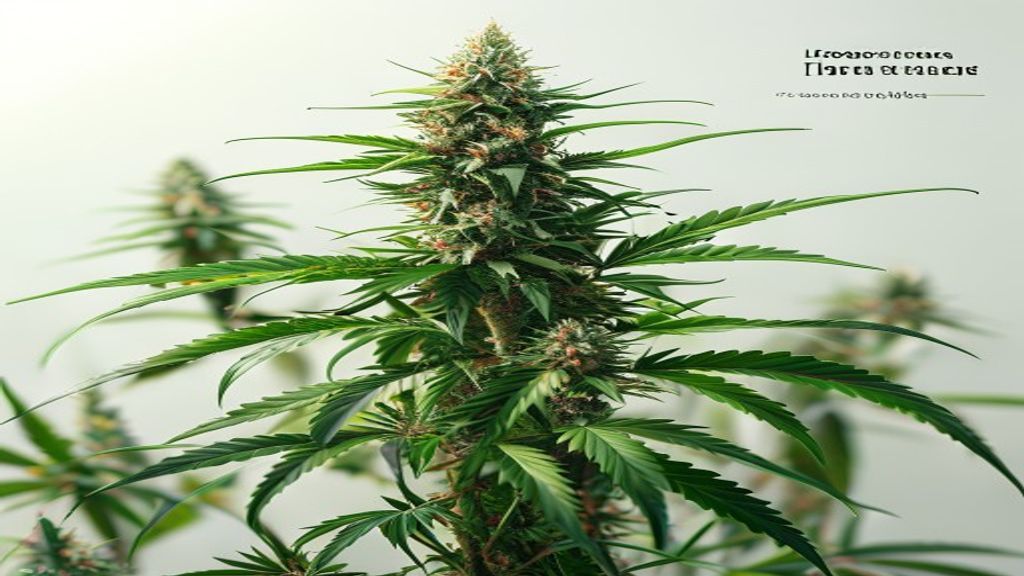
To appreciate why we top cannabis, one must understand the role of auxins. These phytohormones are produced in the apical meristem and move downward through the plant via polar auxin transport. Their presence inhibits the growth of lateral buds, a phenomenon known as apical dominance. Evolutionarily, this allows the plant to focus its energy on growing toward the sun as quickly as possible to compete with surrounding vegetation.
When you perform the procedure of how to top cannabis plant, you physically remove the source of these inhibitory hormones. Once the terminal shoot is removed, the concentration of auxins in the lateral nodes drops significantly. This allows the secondary branches to accelerate their development, resulting in two new main stems at the site of the cut. This lateral expansion is crucial for indoor growers who are limited by vertical space and need to maximize the “footprint” of their light source.
Hormonal Redistribution and Yield
The redistribution of energy ensures that the plant does not expend all its resources on a single “king cola.” In an untopped plant, the lower branches often receive less light and produce airy, less-developed flowers known as “larf.” By Topping, you ensure that the vascular system delivers nutrients more evenly across multiple colas, leading to a higher concentration of secondary metabolites and increased terpene production across a wider surface area.
Determining Plant Maturity and Timing
Timing is the most critical variable when deciding when to top. Performing the cut too early can lead to permanent stunting or plant death, as the root system must be established enough to handle the metabolic shock. Conversely, waiting too long may result in a plant that is already too tall for the growing space, wasting valuable vegetative time.
- Node Count: Most professional cultivators wait until the plant has developed 4 to 6 distinct nodes.
- Root Health: Ensure the plant is well-established in its medium with visible vigor.
- Vegetative Stage: Only top during the vegetative cycle; topping during flowering can severely diminish yields and cause hermaphroditism.
| Technique | Cut Location | Stress Level | Resulting Main Colas |
|---|---|---|---|
| Topping | Above the 5th node | High | 2 Main Stems |
| FIMing | 75% of new growth | Moderate | 4+ Main Stems |
Step-by-Step Execution of the Topping Technique
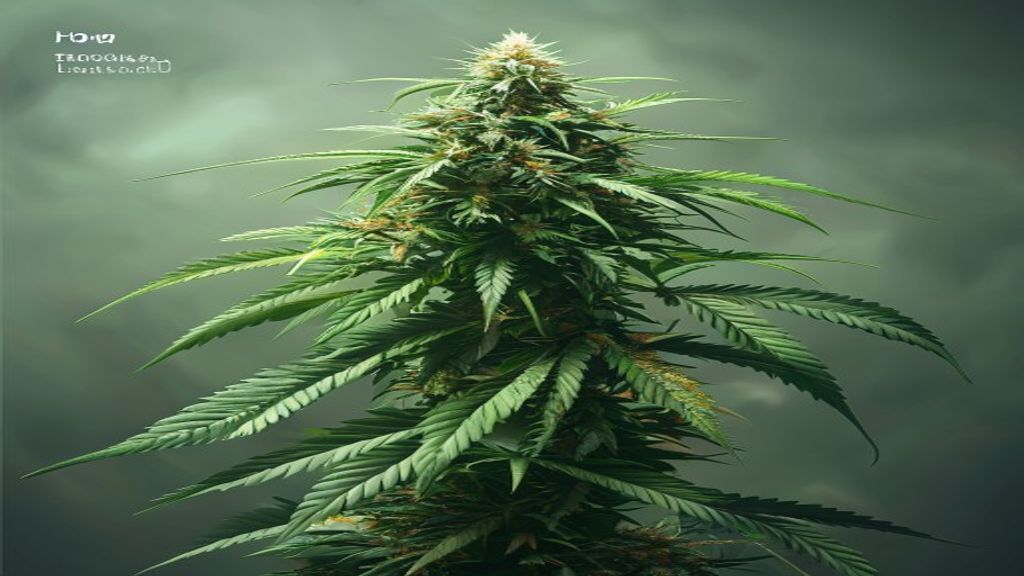
The actual process of topping is straightforward but requires precision and sanitation. Using dirty tools can introduce pathogens like Botrytis or Fusarium directly into the plant’s vascular system. Follow these steps to ensure a clean transition and minimal stress.
Required Tools and Preparation
- Sterilize a pair of micro-tip pruning shears with 70% isopropyl alcohol.
- Identify the fifth or sixth node from the base of the plant.
- Locate the tiny new growth emerging from the very top center.
- Make a clean, horizontal cut through the main stem, approximately 5mm above the lateral branches of your chosen node.
- Avoid cutting too close to the lateral shoots to prevent damaging the auxiliary growth points.
The “clean cut” is vital. A ragged edge or a tear increases the surface area for potential infection and slows down the sealing of the wound. The plant will typically form a callous over the wound within 24 to 48 hours. During this period, avoid foliar feeding to prevent moisture from sitting on the open cut.
Post-Topping Recovery and Environmental Management
Recovery time typically lasts between 3 and 7 days. During this window, the plant will appear to stop vertical growth entirely as it redirects its internal chemistry. It is imperative to maintain stable environmental conditions to reduce the metabolic burden on the specimen.
| Parameter | Ideal Range | Rationale |
|---|---|---|
| Relative Humidity | 55% – 65% | Prevents excessive transpiration while the plant heals. |
| Temperature | 72°F – 78°F | Optimizes metabolic rate without inducing heat stress. |
| Light Intensity | Reduced (10-20%) | Lowers the photosynthetic demand during recovery. |
Key Takeaways
- Topping breaks apical dominance by redistributing auxins to lateral branches.
- Wait for at least 4 to 6 nodes before performing the first cut.
- Always use sterilized equipment to prevent the introduction of pathogens.
- The process can be repeated on new branches to create 4, 8, or 16 colas.
- Allow a full week of recovery before introducing further high-stress techniques.
Frequently Asked Questions
How many times can I top a single plant?
There is no strict biological limit, but practical limits are dictated by your vegetative time and pot size. Most indoor growers top two to three times. Each topping event adds roughly one week to the vegetative stage, so balance your desired structure with your production schedule.
Can I top an autoflowering cannabis plant?
Topping autoflowers is controversial because they have a predetermined lifespan. If the plant is exceptionally vigorous and healthy by day 15-20, topping can be successful. However, if the plant shows any signs of stress, topping may result in a permanently stunted plant that flowers before it recovers.
What is the difference between topping and FIMing?
Topping is a clean removal of the stem to create two distinct branches. FIMing (an acronym for “F*** I Missed”) involves pinching off about 75% of the new growth tip. FIMing is less stressful and can produce four or more new colas, but it is less consistent and creates a less organized branch structure than topping.
About the Author