Outdoor cultivation presents a unique set of environmental challenges that indoor growers rarely encounter, the most prominent being unpredictable weather patterns. A central question for many cultivators transition to sun-grown methods is: can cannabis plants get wet in rain? While water is fundamental to plant life, the timing, intensity, and duration of rainfall can significantly alter the health and eventual harvest quality of the crop. In a natural ecosystem, cannabis is a resilient species capable of weathering substantial precipitation; however, the domestic varieties bred for high resin production often possess morphological traits that make them more vulnerable to moisture-related issues than their wild ancestors.
Understanding the nuances of moisture management is essential for maintaining plant vigor and preventing the loss of an entire season’s work. When asking if can cannabis plants get wet in rain, growers must differentiate between the vegetative and flowering stages, as the plant’s physiological response to external water changes dramatically across its life cycle. While a light shower during the vegetative phase can cleanse the foliage and provide trace minerals, heavy rain during the late flowering stage can be catastrophic. This article explores the mechanical and biological impacts of rainfall on cannabis, providing actionable strategies to mitigate risks and ensure a successful outdoor harvest regardless of the forecast.
Outdoor Cultivation Dynamics: Can Cannabis Plants Get Wet in Rain?
The Physiological Impact of Rain on Cannabis Development
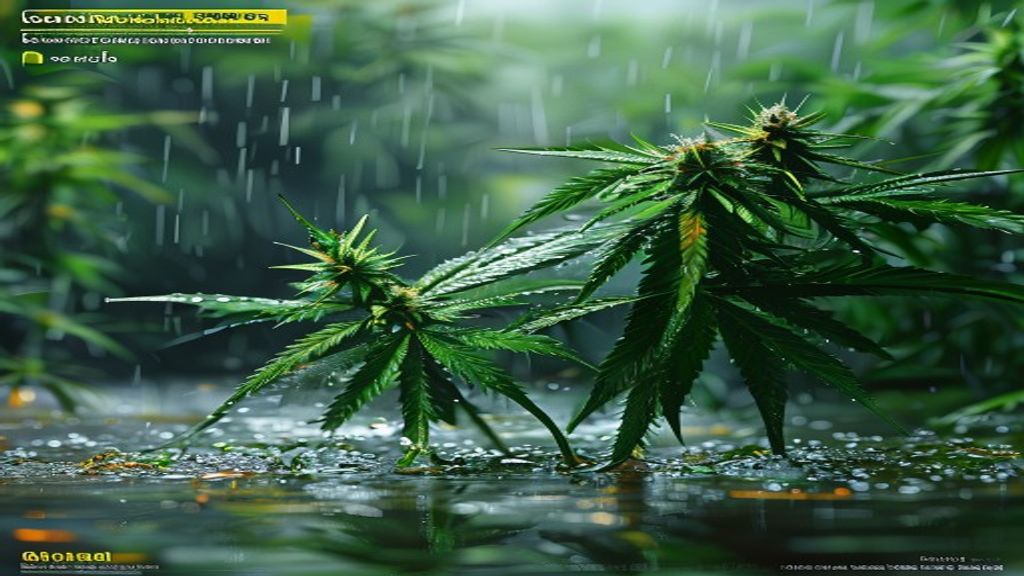
Rainfall is a complex environmental variable that provides both nourishment and mechanical stress. On a basic biological level, rainwater is often slightly acidic and oxygenated, which can help flush accumulated salts from the growing medium and improve nutrient uptake. However, the physical force of raindrops can cause micro-abrasions on the leaf surface, potentially creating entry points for pathogens if the plant’s immune system is compromised.
Mechanical Stress and Structural Integrity
Heavy rainfall imposes significant weight on the plant’s branches, particularly when the foliage is dense. Cannabis stalks are designed to be flexible, yet the combined weight of water and wind can lead to “snapping” or permanent lodging. Ensuring robust structural support through trellising or staking is vital for outdoor plants to withstand the physical load of a storm.
Trichome Protection and Potency
There is a common misconception that rain “washes away” THC or cannabinoids. Since cannabinoids are hydrophobic and contained within resinous trichomes, they are not water-soluble. However, physical agitation from heavy rain can mechanically break the fragile trichome heads, potentially reducing the overall quality and terpene profile of the flower over time.
Assessing Risks Across Growth Stages
The severity of the impact when can cannabis plants get wet in rain depends largely on the current phenological stage of the plant. During the vegetative phase, the plant is focused on structural growth and leaf production, making it remarkably hardy. The lack of dense floral clusters allows for rapid evaporation and sufficient airflow between the leaves.
In contrast, the flowering stage introduces significant vulnerability. As the plant produces compact “buds,” the surface area for moisture retention increases exponentially. These dense structures act like sponges, trapping water within the calyxes where it is shielded from the wind and sun. This creates a microclimate characterized by high humidity and stagnant air, which is the primary catalyst for fungal infections.
| Growth Stage | Tolerance Level | Primary Risk Factor | Management Priority |
|---|---|---|---|
| Vegetative | High | Physical branch breakage | Structural support/staking |
| Early Flowering | Moderate | Powdery mildew onset | Airflow and foliage thinning |
| Late Flowering | Low | Botrytis (Bud Rot) | Physical covers/Moisture removal |
Preventing Pathogenic Risks: Can Cannabis Plants Get Wet in Rain Safely?
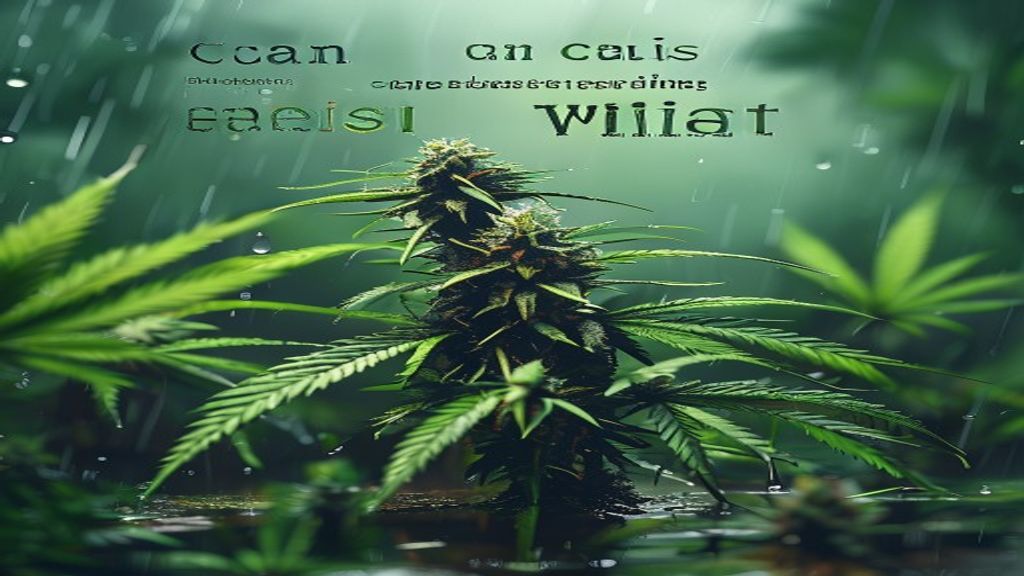
The primary concern regarding moisture is not the water itself, but the secondary infections it facilitates. Botrytis cinerea, commonly known as bud rot, thrives in cool, damp environments where water sits for more than a few hours. If a plant remains wet overnight, the likelihood of fungal spores germinating within the dense colas increases significantly.
Strategic intervention can minimize these risks. Growers should prioritize “defoliation” to remove excess fan leaves that obstruct airflow. By creating a more open canopy, the grower ensures that wind can penetrate the interior of the plant, accelerating the drying process once the rain stops. Additionally, choosing strains with a natural resistance to mold or those with “sativa” morphological traits (airier bud structures) can be a preemptive solution for rainy climates.
| Factor | Impact on Moisture Retention | Mitigation Strategy |
|---|---|---|
| Canopy Density | Traps humid air inside the plant | Strategic defoliation and pruning |
| Airflow | Slows evaporation of surface water | Increase spacing between plants |
| Soil Drainage | Leads to root zone saturation | Use fabric pots or raised beds |
Post-Rain Management Strategies
Immediate action following a rain event is the most effective way to prevent crop loss. Once the storm has passed, it is highly recommended to physically shake the plants. Gently agitating the main stalk and branches helps dislodge large water droplets trapped within the flower clusters, significantly reducing the drying time.
- Manual Agitation: Shake each plant to remove standing water from the colas.
- Increased Ventilation: If the plants are in a greenhouse, maximize all fan speeds and open all vents.
- Inspection: Conduct a thorough check for any signs of “browning” or gray fuzz within the buds, which indicates the early stages of rot.
- Leaf Removal: Remove any leaves that have been pressed against the buds by the weight of the water.
Key Takeaways
- Cannabis can handle rain during the vegetative stage with minimal intervention.
- Rain during the flowering stage is a high-risk event that requires immediate management.
- Botrytis (bud rot) is the most significant threat associated with wet cannabis flowers.
- Mechanical support and manual water removal are the best defenses against storm damage.
- Cultivars with airy bud structures are better suited for regions with high late-season rainfall.
Frequently Asked Questions
Does rain wash the THC off cannabis plants?
No, THC and other cannabinoids are housed within resinous trichomes that are oil-based and hydrophobic. Water will roll off these structures rather than dissolving them. However, extremely heavy rain can physically knock the heads off the trichomes, slightly reducing potency and aroma.
What should I do if my flowering plants get soaked?
The most effective response is to manually shake the excess water off the plants as soon as the rain stops. Ensure maximum airflow around the plants and monitor the densest buds daily for any signs of discoloration or mold for at least 72 hours after the event.
Can I cover my plants with a tarp when it rains?
Yes, providing a temporary overhead cover or “hoop house” is an excellent way to keep plants dry. However, it is critical that the tarp does not touch the plants and that there is still significant side-ventilation to prevent humidity from building up underneath the cover.
Is rainwater better for cannabis than tap water?
Generally, rainwater is beneficial because it lacks the chlorine and heavy minerals often found in municipal water. It is usually slightly acidic, which aligns well with the pH requirements of the cannabis root zone, provided the rain is not falling in a highly polluted industrial area.
About the Author