
As the cultivation cycle reaches its zenith, growers often face a pivotal decision regarding the final transition from living plant to cured product. One of the most common questions among novice cultivators is: do you have to get the roots for drying cannabis? The short answer is no, but the reasoning behind this standard practice involves a sophisticated understanding of plant physiology and microbial management. While the root system is the engine of the plant during its vegetative and flowering stages, its utility effectively ceases the moment the vascular connection to the foliage is significantly altered or the light cycle is permanently terminated. In professional cultivation environments, the root ball is almost universally discarded prior to the drying phase.
Do You Have to Get the Roots for Drying Cannabis? Best Practices for Post-Harvest
The transition from harvest to the drying rack is the most critical period for preserving the phytochemical profile of the plant. High-quality cannabis relies on the slow degradation of chlorophyll and the preservation of volatile terpenes. Retaining the root system during this process is not only unnecessary but can be actively detrimental to the quality of the final flower. This article explores the physiological reasons why professional growers bypass the root system during the drying phase and provides a roadmap for optimizing your post-harvest workflow for maximum potency and shelf-life.
Understanding Why You Don’t Have to Get the Roots for Drying Cannabis
In the pursuit of maximizing terpene retention and cannabinoid concentration, some growers wonder if leaving the roots attached allows the plant to “finish” more naturally. However, once the plant is severed at the base or the light source is removed, active nutrient transport stops. The roots no longer have the energy (via photosynthesis) to pump water or minerals upward. Consequently, keeping the roots attached provides no metabolic benefit to the drying flower.
Furthermore, the root ball is a significant reservoir of moisture and organic matter. Introducing a wet, soil-caked root mass into a controlled drying environment significantly increases the relative humidity (RH) of the space. This makes it exponentially harder to maintain the “60/60 rule” (60°F and 60% humidity), which is the industry standard for a slow, stable dry. Most professionals opt to cut the plant at the primary stalk, just above the soil line, ensuring a clean transition to the drying area.
The Physiology of Post-Harvest Transpiration
When you begin the drying process, the goal is to facilitate the gradual evaporation of water from the plant tissues while allowing enzymes to break down chlorophyll. This process is known as senescence. If you were to include the roots, you would be fighting against several biological factors that hinder this delicate balance.
The Role of Stomatal Closure
Upon harvest, the plant’s stomata begin to close to prevent rapid desiccation. If the roots are still attached and damp, they can create a localized humidity pocket that prevents the plant from reaching a stable equilibrium. Slow drying is essential, but “slow” should not mean “stagnant.” Roots can introduce fungal pathogens such as Botrytis or Aspergillus into the drying room, which can quickly colonize the dense colas.
Vascular Collapse and Moisture Content
As the plant dries, the xylem and phloem—the plant’s internal “plumbing”—begin to collapse. Because the roots contain the highest concentration of moisture and the most robust vascular structures, they dry at a significantly slower rate than the flowers. This disparity can lead to uneven drying, where the exterior of the buds feels dry, but the interior stems remain saturated, increasing the risk of mold during the curing phase.
| Feature | Roots Attached | Roots Removed (Standard) |
|---|---|---|
| Drying Time | Inconsistent and Prolonged | Predictable (10–14 Days) |
| Contamination Risk | High (Soil, Microbes) | Low (Clean Environment) |
| Space Efficiency | Poor (Bulky Root Balls) | Excellent (Hanging Stems) |
| Terpene Preservation | Variable | Optimized through RH Control |
Comparing Drying Methods: Whole Plant vs. Breakdown
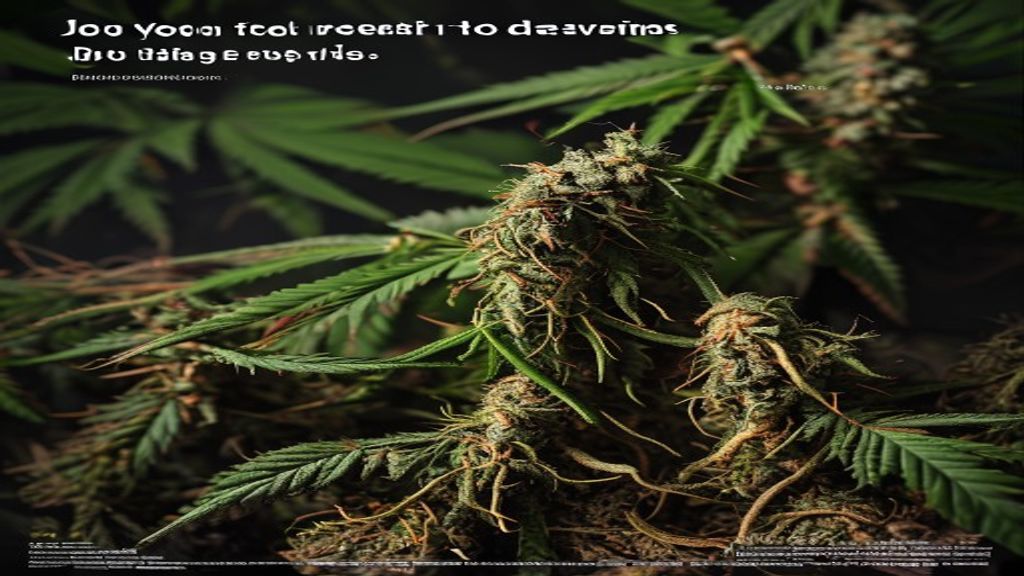
While we have established that you do not need the roots, there are still variations in how much of the plant you should keep intact. The choice usually falls between hanging the entire plant (minus roots) or breaking it down into individual branches. Both methods have distinct advantages depending on your local climate and drying room capabilities.
- Whole-Plant Hanging: This involves cutting the plant at the base and hanging it upside down. It is the preferred method for dry climates because the larger mass slows down the drying process, preventing the flower from becoming brittle too quickly.
- Individual Branch Hanging: In high-humidity environments, growers often break the plant down into smaller segments. This increases airflow around each bud, reducing the likelihood of moisture being trapped in the center of the plant.
Microbial Risks and Environmental Control
The primary reason to avoid the roots for drying cannabis is hygiene. The root zone is a complex ecosystem of fungi, bacteria, and insects. Even if the roots appear clean, they harbor microscopic particles that can be redistributed by fans within your drying room. Maintaining a sterile environment is paramount during the post-harvest phase, as the plant’s immune system is no longer active to fight off spores.
Optimal Drying Parameters
To achieve a professional-grade result without the roots, you must strictly monitor your environment. Use the following table as a guide for the first 10 days of the drying process.
| Parameter | Ideal Range | Why It Matters |
|---|---|---|
| Temperature | 60°F – 65°F | Prevents terpene evaporation (boiling points). |
| Relative Humidity | 55% – 62% | Regulates the rate of moisture loss. |
| Airflow | Indirect / Gentle | Prevents “wet spots” without causing wind burn. |
| Light Level | Complete Darkness | UV light degrades THC into CBN. |
Key Takeaways for Optimal Preservation
- Always remove the roots: They offer no benefit and increase mold risk.
- Cut at the base: Use sharp, sanitized shears to sever the main stalk.
- Control the environment: Focus on the 60/60 rule to ensure a 10–14 day dry time.
- Avoid soil contact: Ensure the harvested material never touches the ground or dirty surfaces.
Frequently Asked Questions
Is there any benefit to drying the plant upside down?
Yes, hanging the plant upside down is functionally superior for organization and airflow. While there is a persistent myth that “gravity moves THC to the buds,” the real benefit is that it allows the branches to naturally fan out, ensuring that air can circulate around the dense flower clusters, preventing moisture buildup.
Can I wash my roots and then dry the plant?
While possible, it is highly inefficient. Washing roots introduces even more moisture into the system. Since the plant is no longer metabolically active, it cannot use that water, and it simply adds to the total humidity in your drying room, which you are trying to lower.
What happens if I dry my cannabis too fast?
If the exterior of the plant dries too quickly (often due to high heat or low humidity), the internal chlorophyll gets trapped. This results in a “hay-like” smell and a harsh smoke. Removing the roots and maintaining proper humidity ensures the chlorophyll breaks down correctly before the plant becomes too dry to support enzymatic activity.
How do I know when the drying process is finished?
The most reliable field test is the “snap test.” Attempt to bend a medium-sized stem. If it bends or folds without a sound, it still contains too much internal moisture. If it snaps cleanly, the plant is ready for the curing jars. Note that the flowers should feel slightly springy, not crumbly.
About the Author