
The rise of cannabidiol (CBD) as a therapeutic tool has sparked a global conversation regarding its efficacy for mental wellness. While millions of individuals utilize this hemp-derived compound specifically to manage stress, a persistent question remains: Does CBD cause anxiety? Scientific literature generally categorizes CBD as an anxiolytic—a substance that reduces anxiety—yet anecdotal reports occasionally suggest the opposite. Understanding the nuances of how CBD interacts with the human endocannabinoid system (ECS) is essential for any consumer looking to navigate the market safely. The experience is rarely a direct result of the CBD molecule itself, but rather a complex interplay of dosage, product purity, and individual biochemistry.
Does CBD Cause Anxiety? Understanding the Science and Side Effects
The Biological Framework: How CBD Interacts with the Brain
To determine if CBD can provoke an anxious response, we must examine its pharmacological profile. Unlike Tetrahydrocannabinol (THC), which binds directly to CB1 receptors in the brain and can trigger paranoia, CBD acts as an indirect antagonist. It influences the body’s internal signaling by inhibiting the breakdown of anandamide, often referred to as the “bliss molecule.”
Serotonin Receptor Modulation
One of the primary ways CBD manages stress is through its affinity for the 5-HT1A serotonin receptor. By mimicking the effects of serotonin, CBD helps maintain a sense of calm. However, if a product is mislabeled or contains high levels of residual solvents, the physical reaction to these impurities might be misinterpreted by the user as psychological anxiety.
Factors to Consider: Does CBD Cause Anxiety Due to Product Purity?
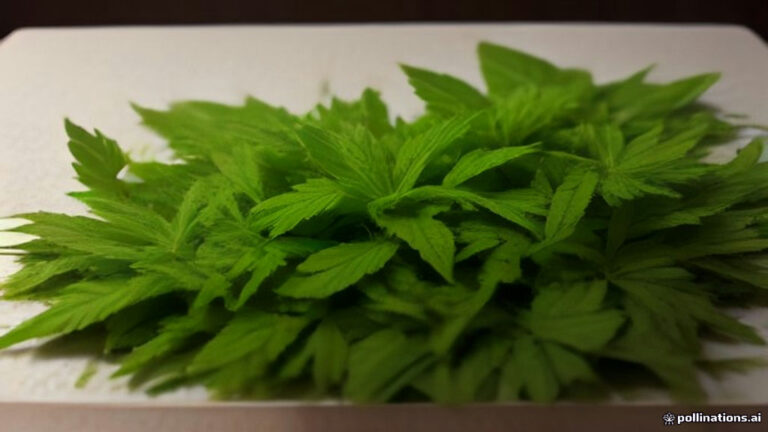
When users report heightened heart rates or feelings of unease after taking hemp oil, the cause is frequently related to the quality of the extract. The hemp plant is a bioaccumulator, meaning it absorbs toxins from the soil. If these toxins are not removed during the extraction process, they can cause physiological distress.
Common Contaminants in Low-Quality CBD
- Heavy Metals: Lead, arsenic, and cadmium can disrupt neurological function.
- Pesticides: Chemical residues may interfere with endocrine health.
- Residual Solvents: Butane or ethanol used in cheap extraction can cause nausea and lightheadedness.
| Feature | CBD (Cannabidiol) | THC (Tetrahydrocannabinol) |
|---|---|---|
| Psychoactivity | Non-intoxicating | Intoxicating/Euphoric |
| Anxiety Potential | Low (Typically Anxiolytic) | Higher (Dose-Dependent) |
| Receptor Binding | Indirect (ECS modulator) | Direct (CB1 & CB2 Agonist) |
The Biphasic Effect: Why Dosage Is Critical
In pharmacology, the “biphasic effect” refers to a phenomenon where a substance produces different effects at different concentrations. CBD is a classic example of this. Low to moderate doses typically provide the calming effect most users seek, whereas extremely high doses may produce different physiological responses.
While high doses of CBD are generally well-tolerated in clinical settings, everyone’s biological threshold is unique. If a user exceeds their personal “sweet spot,” they may experience side effects such as dry mouth, fatigue, or a paradoxical sense of restlessness. Starting with a low dose and titrating upward slowly is the standard medical recommendation for minimizing adverse reactions.
THC Sensitivity and the Entourage Effect
The “Entourage Effect” suggests that cannabinoids work better when taken together. However, Full-Spectrum CBD products contain up to 0.3% THC by dry weight. For individuals with extreme sensitivity to THC, even this trace amount can stimulate the CB1 receptors enough to cause mild anxiety.
| Product Type | THC Content | Anxiety Risk Level |
|---|---|---|
| CBD Isolate | 0.0% | Lowest |
| Broad-Spectrum | 0.0% (Non-detectable) | Low |
| Full-Spectrum | Up to 0.3% | Moderate (for THC-sensitive users) |
Ensuring Product Safety and Verifying COAs
To ensure that your CBD experience is therapeutic rather than stressful, you must verify the product’s Certificate of Analysis (COA). This document, provided by a third-party laboratory, confirms the cannabinoid profile and ensures the absence of harmful contaminants. A transparent brand will always make these reports accessible to the consumer.
Key Takeaways:
- CBD is scientifically recognized for its anti-anxiety properties, not as a cause of anxiety.
- Apparent anxiety from CBD is often caused by trace THC or product impurities.
- The biphasic nature of CBD means finding the correct personal dosage is essential.
- Always choose Broad-Spectrum or Isolate if you have a known sensitivity to THC.
Frequently Asked Questions
Can CBD make you feel jittery?
In some cases, low-quality CBD or products containing caffeine (often found in energy-focused CBD blends) can cause jitters. Pure CBD is generally sedative or calming, but individual reactions vary based on metabolism and the presence of other terpenes.
Why did I feel anxious after taking full-spectrum CBD?
Full-spectrum products contain trace amounts of THC. If you are highly sensitive to THC, your brain may react to these small amounts by triggering a mild stress response. Switching to a Broad-Spectrum product usually resolves this issue.
How do I know if my CBD dose is too high?
Signs of an excessive dose include extreme lethargy, diarrhea, or a change in appetite. If you feel “off” or more anxious, reduce your dosage by half and observe how your body responds over the next 48 hours.
Does CBD interact with anxiety medications?
Yes, CBD can interact with certain pharmaceutical drugs, particularly those metabolized by the cytochrome P450 enzyme system (like some SSRIs and benzodiazepines). Always consult a healthcare provider before combining CBD with prescription medication.
In conclusion, the answer to the question “Does CBD cause anxiety?” is generally no. When sourced responsibly and dosed correctly, CBD serves as a potent tool for maintaining equilibrium. By prioritizing lab-tested products and understanding your own sensitivity to cannabinoids, you can maximize the benefits of hemp while avoiding unwanted side effects.
About the Author