
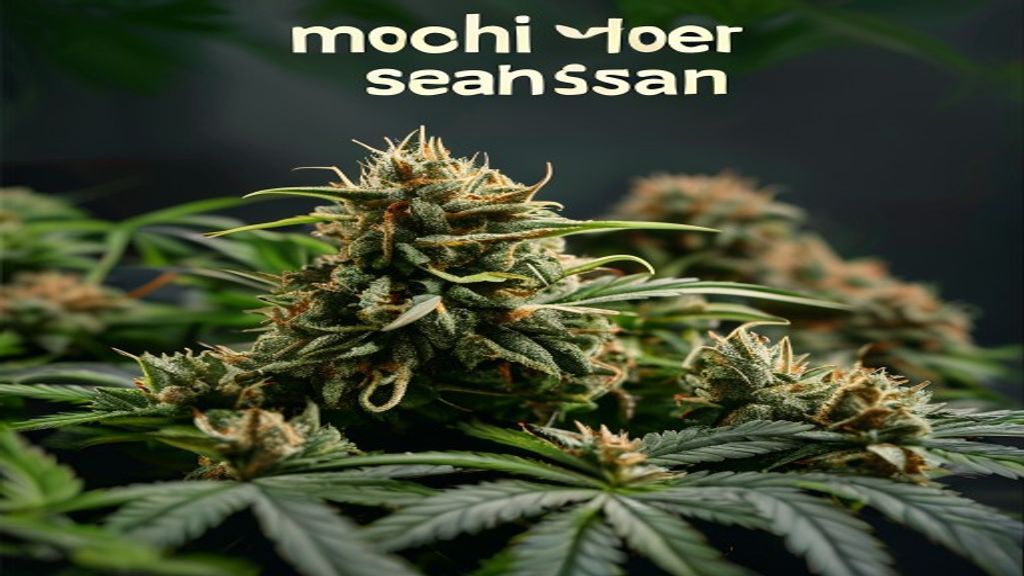
The Mochi weed strain, often referred to as Mochi Gelato or Gelato 47, represents a pinnacle of modern cannabis breeding, merging complex flavor profiles with a sophisticated cannabinoid structure. As a member of the illustrious Gelato family, this hybrid has gained significant traction among connoisseurs who prioritize terpene density and aesthetic appeal. Cultivated through the crossing of Sunset Sherbet and Thin Mint Girl Scout Cookies, the Mochi weed strain offers a balanced experience that bridges the gap between physical tranquility and cognitive stimulation. Its reputation is built upon a foundation of dense, frost-covered calyxes and a scent profile that evokes the sweet, rice-cake dessert for which it is named.
Understanding the nuances of the Mochi weed strain requires an appreciation for its genetic lineage. Developed by the Cookie Fam in San Francisco, this phenotype was selected for its specific organoleptic properties—essentially, its ability to engage the senses of taste and smell simultaneously. For the consumer, it provides a medium-to-high potency experience that is functional yet deeply relaxing, making it suitable for evening use or creative endeavors. In a market saturated with high-THC cultivars that often lack depth, Mochi stands out as a masterclass in phytochemical synergy, offering a curated experience for the discerning user.
Exploring the Mochi Weed Strain: Genetics, Effects, and Cultivation
Genetic Lineage and Phenotypical Expression
The genetic architecture of the Mochi weed strain is a testament to the prowess of Northern California’s breeding programs. By hybridizing Sunset Sherbet and Thin Mint Girl Scout Cookies, breeders created a cultivar that exhibits the best traits of the Cookies lineage. This specific phenotype, Gelato #47, is distinguished by its structural integrity and anthocyanin production, which often results in deep purple and forest green foliage.
The buds are typically dense and spade-shaped, characterized by a thick coating of crystalline trichomes that signify high resin production. This resin is not merely for potency; it houses a diverse array of secondary metabolites that define the strain’s character. The Mochi weed strain is prized for its “bag appeal,” a term used in the industry to describe the visual and aromatic excellence that attracts high-end consumers.
Aromatic Profile and Terpene Composition
The olfactory experience of the Mochi weed strain is multifaceted, moving beyond simple sweetness into the realms of earthiness and subtle spice. When the flower is broken apart, it releases a pungent aroma of creamy fruit, reminiscent of a berry-infused gelato. This is followed by a base note of damp earth and mint, providing a grounded finish to the sensory profile.
Primary Terpenes in Mochi
The specific effects and flavors of this strain are driven by its terpene concentration. While laboratory results can vary by grower, the following terpenes are typically dominant:
- Caryophyllene: This terpene acts as a cannabinoid, providing anti-inflammatory benefits and a subtle peppery undertone.
- Limonene: Responsible for the citrus notes, it contributes to the strain’s mood-elevating properties.
- Myrcene: Provides the herbal, earthy foundation and assists in the “couch-lock” potential of the strain.
- Humulene: Adds a woody depth and may contribute to appetite suppression.
The Role of Flavonoids
In addition to terpenes, Mochi contains specific flavonoids that contribute to its deep coloration and antioxidant properties. These compounds work in tandem with cannabinoids through the “entourage effect,” enhancing the overall efficacy of the plant material.
Therapeutic Effects and Physiological Impact
The Mochi weed strain is categorized as a balanced hybrid, though many users report a slight lean toward the indica side of the spectrum. The onset is typically characterized by a cerebral “lift” that clears mental fog without inducing anxiety. This makes it an excellent choice for individuals seeking creative inspiration or a shift in perspective after a taxing day.
As the initial euphoria plateaus, the physical effects begin to manifest. Users often describe a “weighted” sensation in the limbs that alleviates muscle tension and chronic pain. The Mochi weed strain is particularly effective for stress management, as it provides a sedative quality that does not immediately result in sleep, allowing for a relaxed but conscious evening.
| Attribute | Specification |
|---|---|
| Average THC Content | 20% – 24% |
| CBD Content | < 1% |
| Primary Terpene | Caryophyllene |
| Genetic Type | Hybrid (Indica-leaning) |
| Flowering Time | 8 – 10 Weeks |
Cultivation Insights for Professional Growers
Cultivating the Mochi weed strain requires a moderate level of expertise, as the plant can be sensitive to environmental fluctuations. It thrives in a controlled indoor environment where temperature and humidity can be precisely managed. To maximize the expression of its purple hues, growers often implement a temperature drop during the final weeks of the flowering cycle, simulating the onset of autumn.
- Training Methods: Techniques such as “Topping” and “Low Stress Training” (LST) are recommended to manage the plant’s height and encourage lateral growth.
- Nutrient Requirements: Mochi responds well to a robust feeding schedule, particularly phosphorus and potassium during the mid-to-late bloom phase.
- Airflow: Due to its dense bud structure, maintaining high airflow is critical to preventing mold or bud rot during the final stages of maturation.
Comparative Analysis: Mochi vs. Related Phenotypes
While the Mochi weed strain shares DNA with other Gelato variants, it possesses distinct characteristics that set it apart from its siblings. Below is a comparison of Mochi against two other popular phenotypes.
| Feature | Mochi (Gelato 47) | Gelato 33 (Larry Bird) | Gelato 41 (Bacio) |
|---|---|---|---|
| Flavor Profile | Creamy, Fruity, Earthy | Sweet Citrus, Thin Mint | Heavy Earth, Gas, Berries |
| Primary Effect | Relaxed & Creative | Uplifting & Social | Deeply Sedative |
| Potency | High | Moderate-High | Very High |
Key Takeaways
- The Mochi weed strain is a premium hybrid resulting from Sunset Sherbet and Thin Mint GSC.
- It offers a unique flavor profile characterized by creamy fruit and earthy undertones.
- The strain provides a balanced high, making it versatile for both mental stimulation and physical relaxation.
- Successful cultivation requires attention to environmental stressors and specific training techniques.
Frequently Asked Questions
Is the Mochi weed strain suitable for beginners?
Due to its moderate-to-high THC content, novice consumers should approach Mochi with caution. While it is not as overwhelming as some pure indica strains, its potency can cause overstimulation or dry mouth if consumed in high quantities without prior experience.
What makes Mochi different from other Gelato strains?
Mochi is often considered the “sweeter” and more “creamy” phenotype compared to Gelato 41, which is known for its “gassy” or diesel-like aroma. Mochi provides a more balanced hybrid experience, whereas Gelato 41 is significantly more sedative.
What are the common medical uses for the Mochi weed strain?
Medical cannabis patients frequently utilize Mochi to address symptoms of chronic pain, depression, and insomnia. Its ability to provide physical ease while maintaining a positive mood makes it an effective tool for managing stress-related disorders.
How long does the flowering process take for Mochi?
The Mochi weed strain typically reaches full maturity within 8 to 10 weeks of flowering. Growers should monitor trichome development using a magnifying tool to ensure the harvest occurs at peak cannabinoid and terpene concentration.
About the Author