The Pineapple Express weed strain represents a pinnacle of contemporary cannabis breeding, harmonizing high-octane energy with a substantive physical foundation. Often overshadowed by its cinematic namesake, this hybrid cultivar offers a sophisticated phytochemical profile that merits serious horticultural and pharmacological analysis. Developed as a cross between the potent Trainwreck and the tropical Hawaiian landrace sativa, Pineapple Express delivers a multifaceted experience that transcends its pop-culture reputation. To the discerning consumer, it is valued not merely for its association with Hollywood, but for its consistent delivery of uplifting cerebral effects and nuanced flavor profiles. Understanding this strain requires an exploration of its genetic stability, the synergy between its dominant terpenes, and its specific requirements within a controlled cultivation environment. As the cannabis market shifts toward high-terpene expressions, this cultivar remains a staple for those seeking a functional yet potent daytime option. This article provides a technical evaluation of the strain’s characteristics, offering actionable insights for both medicinal users and professional cultivators looking to optimize their yields and experience.
A Technical Profile of the Pineapple Express Weed Strain
Genetic Lineage and Botanical Composition
The architectural foundation of the Pineapple Express weed strain is a 60/40 sativa-dominant hybrid. It draws its robust potency from Trainwreck, a Northern Californian staple known for its high THC content and pine-heavy aroma, and its vibrant, tropical notes from Hawaiian, a sativa landrace. This combination results in a plant that exhibits significant hybrid vigor, characterized by dense bud structures and a prolific trichome density.
From a botanical perspective, the strain displays a classic sativa leaning in its growth habit, often reaching considerable heights if not properly managed through canopy control techniques. However, the influence of its indica ancestors via the Trainwreck lineage ensures that the flowers remain tightly packed and resinous, rather than the wispy structure often associated with pure sativas. This genetic stability makes it a reliable choice for commercial production where consistency in cannabinoid output is paramount.
| Characteristic | Specification |
|---|---|
| Genetic Classification | Sativa-Dominant Hybrid (60/40) |
| THC Concentration | 20% – 25% |
| CBD Content | Typically < 1% |
| Primary Terpenes | Myrcene, Limonene, Caryophyllene |
| Lineage | Trainwreck x Hawaiian |
Terpene Profile and Organoleptic Properties
The sensory appeal of Pineapple Express is driven by a complex interplay of aromatic hydrocarbons. The dominant terpene, myrcene, provides an earthy, musky undertone that facilitates the rapid absorption of cannabinoids across the blood-brain barrier. This is complemented by high levels of limonene and beta-caryophyllene, which contribute the signature citrus and spice notes that define the cultivar’s palate.
Aromatic Complexity
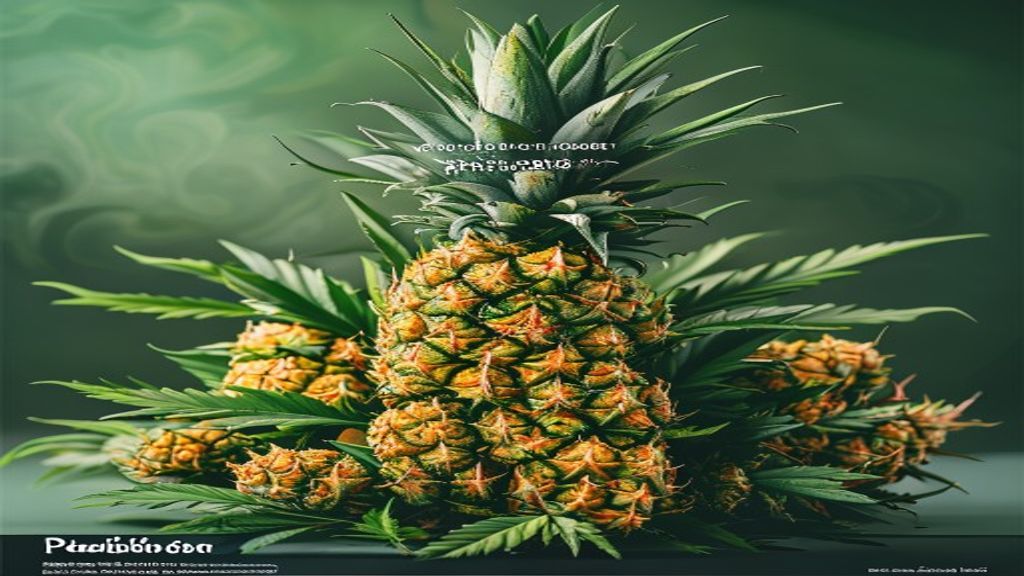
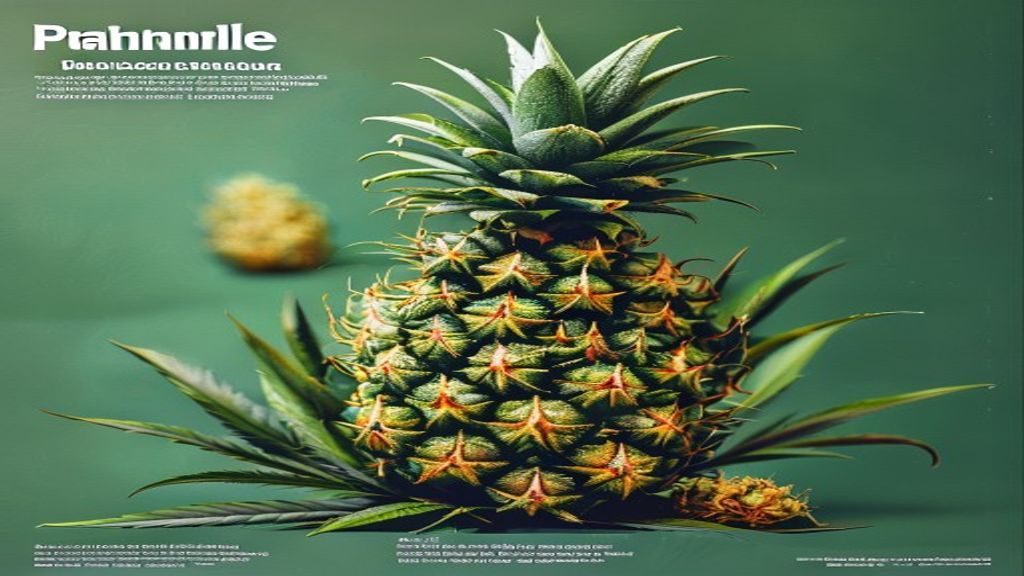
Upon breaking the flower, users are typically met with an immediate burst of overripe pineapple and cedar. This is not a superficial scent; the depth of the limonene content creates a sharp, acidic brightness that cuts through the heavier, skunky notes provided by the Trainwreck heritage. The result is a fragrance that is simultaneously refreshing and pungent.
Flavor Nuances on the Palate
The flavor profile during combustion or vaporization mirrors the aromatic complexity. The initial inhale is dominated by sweet, tropical fruit, while the exhale reveals a more complex profile of pine and earth. Professional tasters often note a lingering aftertaste of citrus rind, a direct result of the high terpene retention within the resin glands.
Therapeutic Applications and Physiological Effects
The efficacy of the Pineapple Express weed strain lies in its balanced “entourage effect.” While the high THC content ensures a potent experience, the specific terpene ratios modulate the psychoactivity to prevent the overwhelming “couch-lock” associated with pure indicas or the jittery anxiety sometimes triggered by pure sativas. It is frequently categorized as a “functional” strain, suitable for daytime use.
- Cerebral Stimulation: Promotes focus, creativity, and a sense of sustained alertness.
- Physical Relaxation: Provides a mild sedative effect on the musculature without inducing significant lethargy.
- Mood Elevation: Highly effective for mitigating symptoms of chronic stress and minor depressive episodes.
- Analgesic Properties: Often used to manage localized pain and inflammation due to the presence of caryophyllene.
For medical cannabis patients, this strain is often recommended for those suffering from chronic fatigue or ADHD, as it can provide the mental clarity needed to complete complex tasks. Its ability to stimulate appetite is also documented, making it a viable option for those undergoing treatments that suppress nutritional intake.
Cultivation Standards and Harvest Optimization
Growing Pineapple Express requires an understanding of its vigor. Because it can double in size during the early stages of the flowering cycle, indoor cultivators must employ Low Stress Training (LST) or Screen of Green (SCROG) methods to manage height. It is a resilient strain, showing a moderate resistance to common pests and molds, though humidity must be strictly monitored during the late flowering stage to protect the dense buds.
| Feature | Pineapple Express | Trainwreck (Parent) |
|---|---|---|
| Flowering Time | 7–9 Weeks | 8–10 Weeks |
| Average Height | Medium-Tall | Tall/Vine-like |
| Yield Potential | High (500g/m²) | Moderate-High |
| Difficulty Level | Moderate | High |
Environmental Requirements
To maximize terpene production, cultivators should aim for a temperature range between 70°F and 85°F during the day, with a slight drop at night to stimulate anthocyanin production. High-intensity lighting, specifically in the blue spectrum during vegetative growth and red spectrum during flowering, is essential for achieving the 20%+ THC levels the strain is known for.
Harvesting for Potency
The optimal harvest window occurs when approximately 70% of the pistils have turned amber and the trichomes transition from clear to a milky white. Harvesting too early may result in a more anxious, racy high, while waiting until the trichomes turn amber will enhance the sedative, myrcene-driven effects.
Key Takeaways
- Hybrid Balance: Provides a unique mix of cerebral energy and physical ease.
- Flavor Profile: Defined by a sophisticated blend of tropical fruit, pine, and citrus.
- Medicinal Utility: Excellent for daytime management of stress, fatigue, and minor pain.
- Grower Friendly: Offers high yields and relative resilience for intermediate cultivators.
Frequently Asked Questions
Is Pineapple Express suitable for beginner cannabis users?
Due to its high THC concentration, which often exceeds 20%, beginners should approach this strain with caution. While the effects are generally uplifting, the potency can be overwhelming for those with a low tolerance.
What are the side effects of this strain?
The most common side effects include xerostomia (dry mouth) and dry eyes. In high doses, some users may experience slight dizziness or increased heart rate due to its sativa-dominant nature.
Does it really taste like pineapple?
Yes, the high concentration of limonene and specific esters gives it a distinct tropical fruit flavor that closely mimics the tart and sweet profile of fresh pineapple.
About the Author