
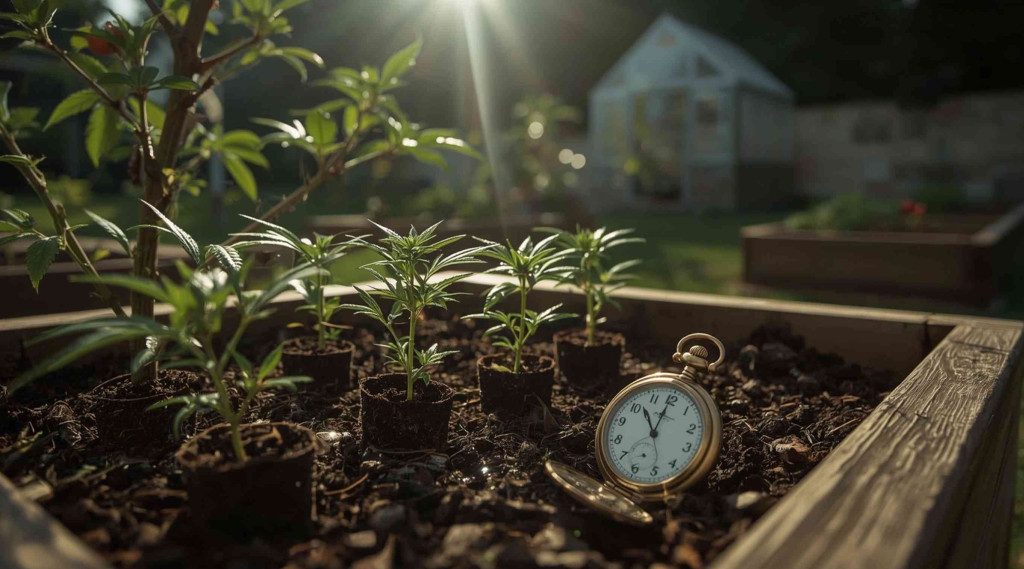
Cultivators often find themselves questioning the biological limits of the growing season as the height of summer approaches. Determining when is it too late to plant cannabis outdoors requires a sophisticated understanding of botany, regional meteorology, and specific cultivar genetics. In temperate climates, the window for traditional photoperiod plants begins to narrow significantly once the summer solstice has passed. Successful outdoor cultivation hinges on providing the plant sufficient time to establish a robust root system and a productive vegetative canopy before the shifting light cycles trigger the reproductive flowering phase.
Planting too late in the season often results in “stunted” specimens that lack the structural integrity and leaf surface area required to support significant floral development. However, the definition of “too late” is not a static date on the calendar; it is a variable calculation based on the local first frost date and the specific maturation timeline of the chosen variety. For many, the transition from June to July represents the final threshold for photoperiod success, while specialized genetics may offer a wider margin of error. Understanding the interplay between environmental signals and plant physiology is essential for any grower aiming to secure a viable autumn harvest.
Timing Your Season: When Is It Too Late to Plant Cannabis Outdoors?
Photoperiod Sensitivity and the Biological Clock
Cannabis is primarily a photoperiod-sensitive species, meaning its developmental stages are governed by the duration of uninterrupted darkness it receives. In the Northern Hemisphere, as days begin to shorten following the summer solstice, the plant perceives a hormonal shift that signals the end of the vegetative stage and the commencement of flowering. If a plant is introduced to the soil too close to this transition, it will not have the necessary vegetative biomass to yield a meaningful harvest.
Most photoperiod cultivars require a minimum of four to six weeks of vegetative growth to develop a root system capable of nutrient uptake during the intensive flowering period. When seeds are germinated in late July or August, the plant may only reach a few inches in height before the light cycle forces it into bloom. This results in “micro-buds” and a significant waste of resources, as the plant’s metabolic energy is diverted to reproduction before it has built its “solar panels”—the fan leaves.
Strategic Factors Determining When Is It Too Late to Plant Cannabis Outdoors
The geographic latitude of the cultivation site is perhaps the most critical factor in determining the seasonal cutoff. Northern latitudes experience a more rapid decline in daylight hours and an earlier onset of winter conditions, effectively shortening the available window for maturation. Conversely, growers in Mediterranean or subtropical climates can often plant much later into the summer because the “killing frost” arrives significantly later in the year, or not at all.
To determine the viability of a late start, growers must work backward from the average first frost date in their specific zip code. Most high-quality cannabis cultivars require 8 to 11 weeks of flowering time. If the first frost occurs in mid-October, the plant must begin flowering by mid-August. If you factor in the necessary vegetative growth, planting after late June becomes a high-risk endeavor for traditional seeds.
| Region/Latitude | Optimal Planting Window | Last Viable Start Date |
|---|---|---|
| Northern (45°N+) | May 1 – May 30 | June 15 |
| Central (35°N – 45°N) | May 15 – June 15 | July 1 |
| Southern (Below 35°N) | April 1 – June 30 | July 15 |
Genetic Solutions for Late Starts: Photoperiod vs. Autoflowers
If you have missed the primary window for photoperiod plants, genetics offer a workaround. Autoflowering strains contain genetics from Cannabis ruderalis, a subspecies that evolved in short-summer environments. These plants do not rely on light cycles to trigger flowering; instead, they begin to bloom based on biological age, typically 3 to 4 weeks after germination. This makes them the primary solution for those asking when is it too late to plant cannabis outdoors.
The Advantages of Autoflowering Strains
Because autoflowers possess a fixed lifecycle—often completing their journey from seed to harvest in 60 to 90 days—they can be planted as late as mid-July in many regions. This allows the grower to bypass the constraints of the autumn light shift. However, because they have a predetermined lifespan, any stress during the first few weeks of growth can permanently reduce the final yield, as the plant cannot be “held” in a vegetative state to recover.
| Feature | Photoperiod Strains | Autoflowering Strains |
|---|---|---|
| Flowering Trigger | Reduction in daylight | Biological age (21-30 days) |
| Average Harvest Time | 4–6 months | 2–3 months |
| Late Season Viability | Low (Risk of small size) | High (Fixed timeline) |
| Resilience to Cold | Varies by cultivar | Often higher (Ruderalis traits) |
Climate Considerations and Frost Risks
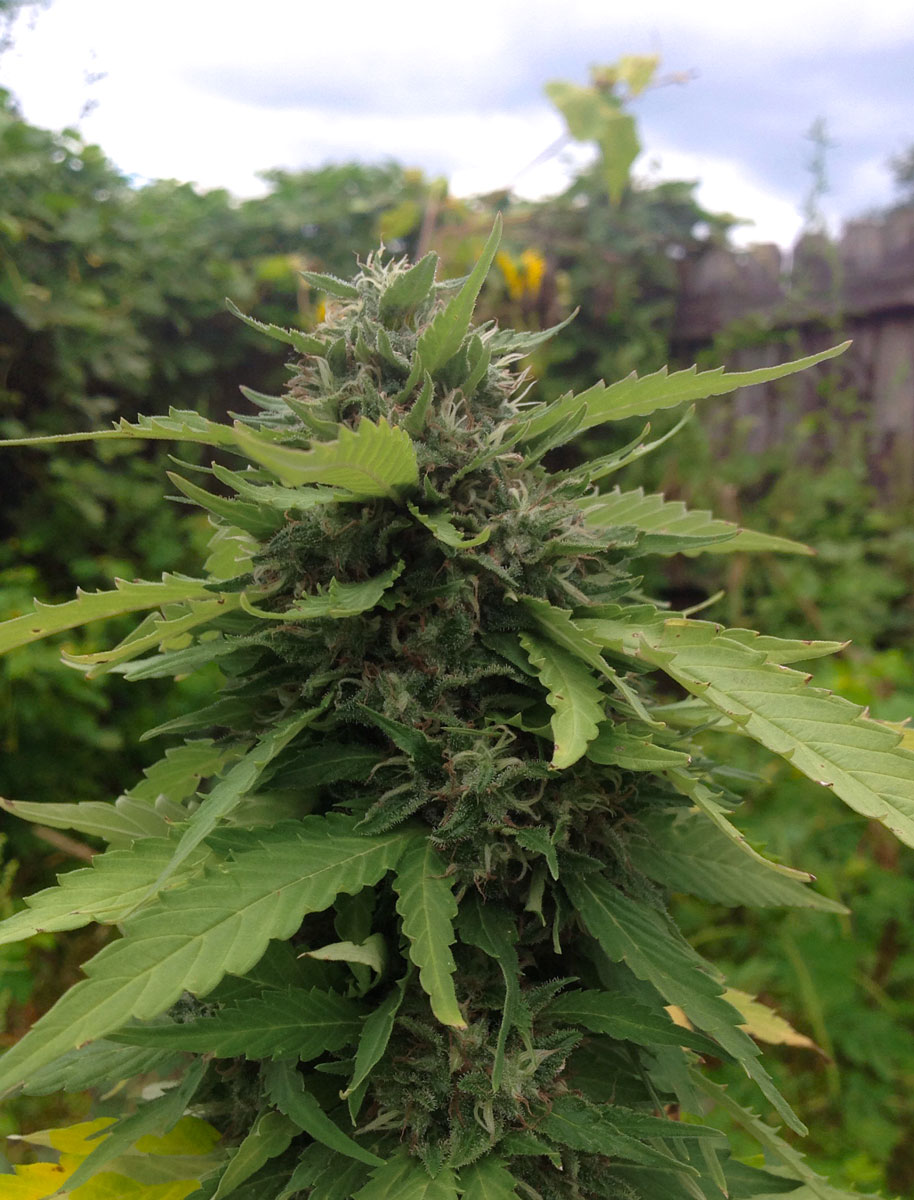
The final constraint on a late-season crop is the environmental degradation that occurs in late autumn. As temperatures drop, the metabolic processes of the plant slow down. High humidity and morning dew in September and October increase the risk of Botrytis cinerea (gray mold) and powdery mildew. Late-planted crops are particularly susceptible because they are often still in peak flower when these pathogens are most active.
Key Takeaways for Late Season Success
- Select fast-flowering genetics: Look for “Fast Version” or Indica-dominant hybrids that finish in 7-8 weeks.
- Use containers: Pots allow you to move plants indoors or into a greenhouse if an early frost is predicted.
- Prioritize root health: Use mycorrhizal inoculants to accelerate root establishment in a shortened timeframe.
- Monitor the solstice: Ensure the plant has at least 30 days of growth before the nights exceed 10.5 hours of darkness.
When is the absolute latest I can plant in the Northern Hemisphere?
For most temperate zones, July 1st is the practical deadline for photoperiod plants to achieve a reasonable size. For autoflowering varieties, you can often plant as late as July 15th to August 1st, provided your local climate remains frost-free until late October.
Will planting in July result in smaller yields?
Yes, planting in July typically results in smaller yields because the plant has less time to develop the vegetative structure needed to support large flower clusters. These “smaller” plants can still produce high-quality buds, but the total weight per plant will be significantly lower than a plant started in April or May.
Can I start plants indoors and move them out late?
Starting plants indoors in May or June and transplanting them outdoors in July is an excellent strategy. This ensures the plant is large and robust when it enters the outdoor environment, effectively bypassing the risks associated with late-season seed germination.
About the Author

I don’t even know how I stopped up here, but I assumed this publish was great. I don’t know who you might be but definitely you’re going to a well-known blogger if you are not already. Cheers!
My family members every time say that I am wasting my time here at net, but I know I am getting experience every day by reading such nice articles.
Thanks a lot for sharing this with all people you really realize what you are speaking approximately! Bookmarked. Kindly also consult with my site =). We may have a link change agreement among us
Thanks for one’s marvelous posting! I actually enjoyed reading it, you might be a great author.I will always bookmark your blog and definitely will come back sometime soon. I want to encourage you continue your great posts, have a nice holiday weekend!