The intersection of apiculture and hemp cultivation has sparked significant curiosity among horticulturalists and entomologists alike. As the global cultivation of industrial hemp and cannabis expands, understanding the biological interactions between these plants and local pollinator populations becomes essential. A common question arising in this niche is whether the relationship between the two is truly symbiotic or merely coincidental. Specifically, growers and researchers want to know: can bees pollinate cannabis in a manner that impacts crop yields or honey production?
Can Bees Pollinate Cannabis? An Analysis of Botanical Interaction and Pollinator Behavior
While many flowering plants rely on insects to facilitate reproduction, cannabis occupies a distinct botanical category. It is primarily an anemophilous plant, meaning it relies on wind currents to transport pollen from male flowers to female stigmas. However, empirical observations frequently show honeybees (Apis mellifera) and bumblebees foraging on male cannabis flowers. This behavior suggests that while the plant does not require bees for its reproductive cycle, the bees may find significant value in the crop during specific seasonal windows. This article explores the mechanisms of cannabis pollination, the nutritional value of cannabis pollen for bee colonies, and the practical implications for apiarists and cultivators.
The Botanical Mechanism: Can Bees Pollinate Cannabis?
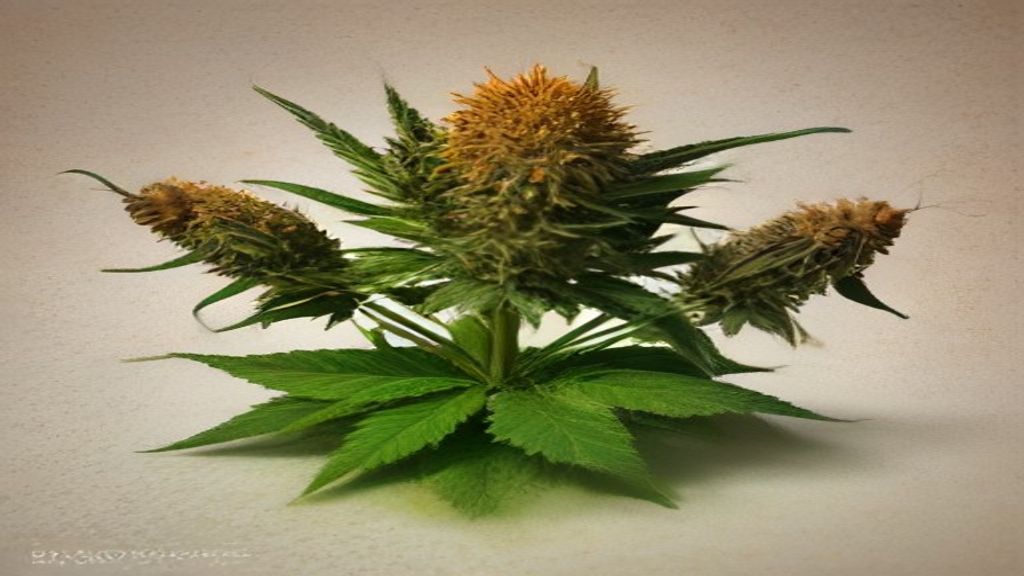
To determine if bees can pollinate cannabis, one must first look at the reproductive anatomy of the plant. Cannabis is typically dioecious, meaning individual plants are either male or female. Male plants produce staminate flowers that release massive quantities of lightweight, buoyant pollen into the air. Female plants produce pistillate flowers designed to catch this wind-borne pollen. Because this system is optimized for wind, cannabis flowers lack the traditional evolutionary traits associated with insect attraction, such as vibrant petals or sweet nectar.
Research indicates that while bees are not the primary vectors for cannabis fertilization, they do engage in accidental pollination. When bees forage on male plants to collect pollen, grains adhere to their bodies. If a bee subsequently lands on a female plant, it may inadvertently transfer those grains to the stigma. However, since female cannabis plants offer neither nectar nor pollen, bees rarely visit them with the same frequency as male plants. Consequently, the answer to whether bees can pollinate cannabis is technically yes, but their contribution is negligible compared to the efficiency of wind dispersal.
Anemophily vs. Entomophily in Industrial Crops
The distinction between wind-pollinated (anemophilous) and insect-pollinated (entomophilous) crops is vital for large-scale agricultural planning. Most fruits and vegetables require entomophily, whereas grains and cannabis rely on the movement of air. Understanding this helps cultivators manage crop isolation distances to prevent cross-contamination between different cultivars of hemp or cannabis.
Nutritional Value of Cannabis Pollen for Bees
If cannabis produces no nectar, why are bees attracted to it? The answer lies in the timing of the plant’s flowering cycle. Cannabis typically flowers in late summer or early autumn, a period often referred to by beekeepers as a floral dearth. During this time, traditional nectar-rich flowers may be scarce. Male cannabis plants provide an abundant source of protein-rich pollen when other resources are unavailable, helping colonies maintain brood rearing as they prepare for winter.
| Feature | Wind Pollination (Anemophily) | Bee Pollination (Entomophily) |
|---|---|---|
| Primary Vector | Air currents and wind | Insects (Bees, butterflies) |
| Flower Attraction | Minimal; no nectar or bright colors | High; nectar and vibrant petals |
| Pollen Characteristics | Light, dry, and smooth | Heavy, sticky, and protein-dense |
| Cannabis Relevance | Natural reproductive method | Secondary, non-essential interaction |
The Role of Trichomes and Plant Defense
Female cannabis plants are covered in resinous glandular trichomes that produce cannabinoids and terpenes. While these compounds are often thought to deter pests, they do not seem to actively repel bees. However, the lack of nutritional rewards on female plants means that bees do not establish a consistent foraging pattern on them, further limiting their role as effective pollinators.
Horticultural Impact and Honey Production
For commercial cannabis growers, the presence of bees is generally neutral. Since most high-quality cannabis production focuses on “sinsemilla” (seedless) female plants, the introduction of pollen—whether by wind or bee—is actually undesirable. Pollinated female plants redirect energy from cannabinoid production to seed development, which reduces the market value of the flower. Therefore, indoor growers often use HEPA filtration to exclude all particles, including pollen and insects.
For beekeepers, the benefits are more pronounced. Proximity to hemp fields can sustain a colony during dry months. It is important to note, however, that cannabis-derived honey produced naturally does not contain THC or CBD in significant amounts. Since these compounds are found in the resin of the female plant and not the pollen of the male, bees do not ingest them during their foraging process. The following table summarizes the types of bees most frequently observed in cannabis-rich environments.
| Bee Species | Observed Behavior | Benefit to Colony |
|---|---|---|
| Apis mellifera (Honeybee) | Active pollen collection during floral dearth | Late-season protein source |
| Bombus (Bumblebee) | Occasional foraging on male tassels | Nutritional supplement |
| Solitary Bees | Low-level interaction | Biodiversity maintenance |
Key Takeaways
- Secondary Role: Bees are not necessary for cannabis reproduction but can act as minor, accidental pollinators.
- Floral Dearth: Cannabis is a valuable source of pollen for bees during the late summer months.
- No Nectar: Cannabis does not produce nectar, which limits the frequency of bee visits to female plants.
- Sinsemilla Risks: In commercial flower production, any pollination (including by bees) is considered detrimental to crop quality.
Frequently Asked Questions
Does cannabis honey contain THC or CBD?
Naturally produced honey from bees foraging on cannabis does not contain psychoactive levels of THC. Bees collect pollen from male plants, which contains negligible amounts of cannabinoids. Since the honey is produced from nectar (which cannabis lacks), true “cannabis honey” only exists if bees are fed a sugar solution infused with extracts.
Can bees improve the yield of hemp seeds?
In grain hemp production, where seeds are the desired output, bees may slightly increase the efficiency of pollination by moving pollen between plants. However, wind remains the primary driver of yield. The increase in seed set due to bees is generally considered marginal in most agricultural models.
Are bees attracted to the scent of cannabis?
Bees are primarily attracted to the availability of pollen rather than the specific terpenes (scents) of the cannabis plant. While some terpenes like limonene or pinene are attractive to certain insects, the primary motivator for bees visiting cannabis is the lack of other available forage in the surrounding landscape.
About the Author