The relationship between Apis mellifera and the Cannabis sativa plant is a subject of increasing scientific curiosity, particularly as industrial hemp and legal Cannabis cultivation expand globally. One of the most frequent questions asked by environmentalists and cultivators alike is: do bees pollinate cannabis? To answer this, one must first understand that cannabis is biologically categorized as an anemophilous plant, meaning it has evolved to rely on wind for the dispersal of its pollen. Unlike the vibrant, nectar-rich flowers of the angiosperm world that have co-evolved with insects, cannabis lacks the specialized structures, such as nectaries and landing platforms, typically required to attract traditional pollinators.
Despite this evolutionary reliance on the wind, researchers have observed honeybees and various wild bee species frequently visiting male cannabis plants. These interactions occur primarily during periods of “floral dearth”—late summer intervals when traditional nectar and pollen sources are scarce. While these visits are significant for the bees’ nutritional stability, the role they play in the plant’s reproductive cycle is non-essential. This article explores the nuances of this interspecies relationship, the botanical mechanisms at play, and why the presence of bees in a cannabis field is more of a nutritional strategy for the insects than a reproductive necessity for the crop.
The Botanical Reality: Do Bees Pollinate Cannabis?
In the strict botanical sense, do bees pollinate cannabis? The answer is no, not in the way they pollinate apples or almonds. Cannabis is a dioecious species, meaning it produces distinct male and female plants. The male plants produce staminate flowers that release large quantities of lightweight, buoyant pollen into the air. The female plants produce pistillate flowers designed to catch this wind-borne pollen. Because this process is entirely passive, the plant does not expend energy producing nectar or visual cues to lure insects.
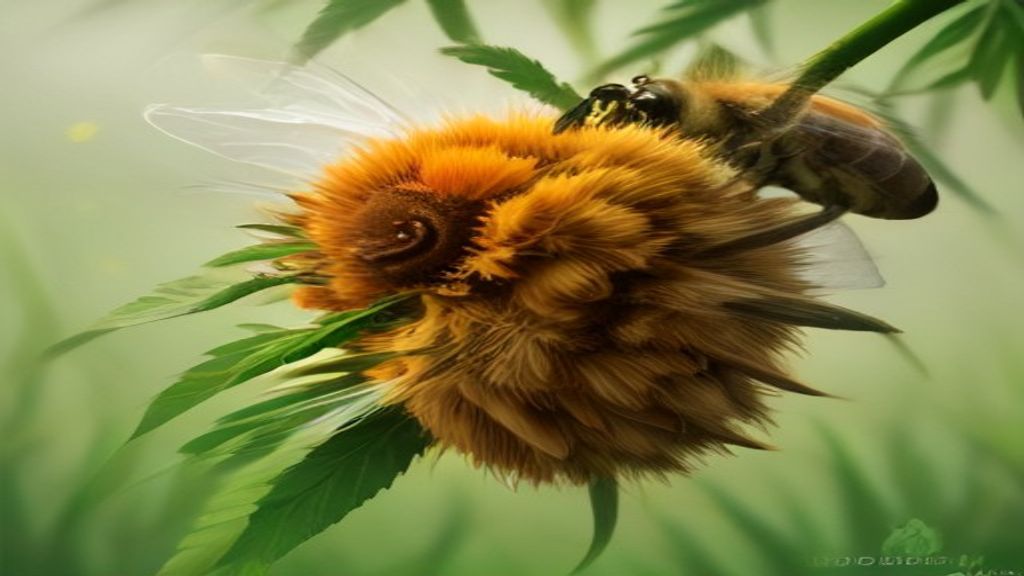
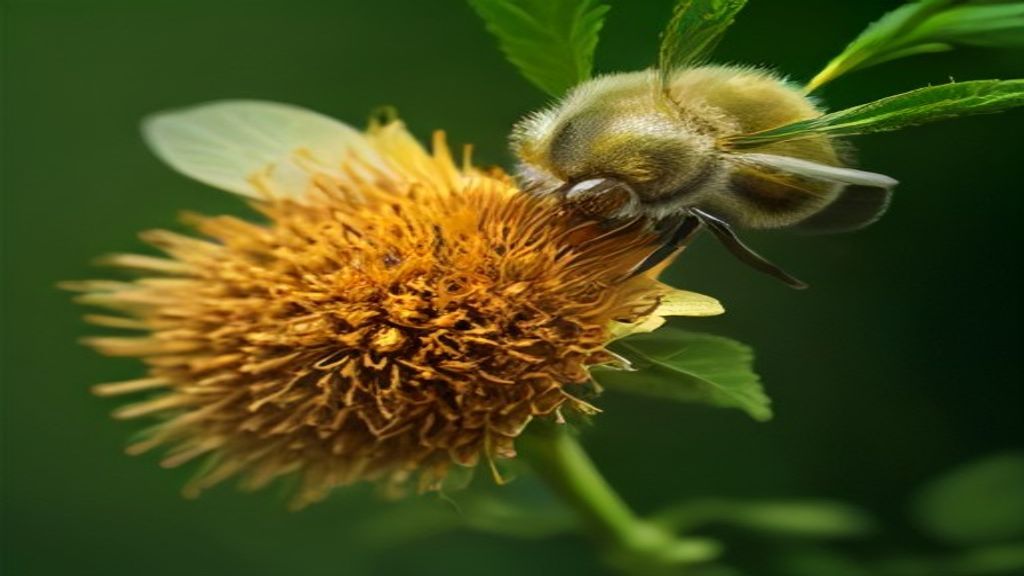
However, bees are opportunistic foragers. While they do not facilitate the primary reproductive cycle of the plant, they are frequently found collecting pollen from male cannabis flowers. This activity is technically “visitation” rather than “pollination.” Because female cannabis flowers lack nectar and do not offer a pollen reward, bees have very little reason to visit them. Without the bee moving from a male flower to a female flower to deposit genetic material, the insect’s role in the plant’s fertilization remains negligible compared to the movement of air currents.
The Nutritional Symbiosis Between Bees and Hemp
While the plant may not require the bee, the bee may find significant value in the plant. During the late summer months, many native floral resources begin to decline. During this period, industrial hemp and cannabis crops are often in full bloom, providing a massive reservoir of pollen. Pollen is the primary source of protein and essential lipids for honeybee colonies, crucial for rearing the next generation of workers before winter dormancy.
The Role of Pollen as a Resource
Cannabis pollen is not the highest quality food source for bees compared to clover or wildflower pollen, but its availability in high volumes makes it a vital “bridge crop.” Studies have shown that in landscapes dominated by monocultures, hemp can support bee populations by filling a critical gap in the seasonal flowering phenology. This creates a unique ecological scenario where a wind-pollinated crop serves as a life-raft for insect pollinators.
Absence of Nectar and the Impact on Bee Behavior
Because Cannabis sativa is nectar-less, it does not provide the carbohydrates (sugars) that bees need for immediate energy or honey production. This leads to a specific behavioral pattern: bees will visit male plants intensely in the morning when pollen release is highest but will largely ignore female plants. This behavior is significant for growers of “sinsemilla” (seedless cannabis), as it reduces the risk of bees accidentally introducing pollen to female-only crops.
| Feature | Entomophilous (Insect-Pollinated) | Anemophilous (Wind-Pollinated/Cannabis) |
|---|---|---|
| Primary Reward | Nectar and Pollen | Pollen Only (No Nectar) |
| Flower Structure | Large, colorful, fragrant | Small, green, inconspicuous | High (Targeted) | Low (Random/Mass Release) |
| Bee Attraction | High (Active) | Secondary/Opportunistic |
Implications for Commercial Cultivation and Honey Production
For commercial cannabis cultivators, particularly those focused on high-THC or CBD flower for the consumer market, pollination is generally viewed as a negative event. When a female plant is pollinated, it shifts its metabolic energy from producing cannabinoids and terpenes to producing seeds. This reduces the potency and market value of the final product. Fortunately, since bees are not naturally drawn to female plants, the risk of bee-mediated cross-pollination is exceptionally low compared to the risk of wind-drift.
There is also significant misinformation regarding “cannabis honey.” Since bees do not collect nectar from cannabis, they cannot produce honey from it naturally. Any honey marketed as “cannabis honey” is typically either a standard honey infused with cannabis extracts after the fact, or produced by bees that have been fed a specialized sugar syrup containing cannabinoids, a process that is more an act of human intervention than natural foraging.
| Nutrient Component | Level in Cannabis Pollen | Importance to Bee Health |
|---|---|---|
| Crude Protein | Moderate (approx. 20-25%) | Essential for larval development |
| Lipids/Fats | Low to Moderate | Necessary for hormone production |
| Amino Acids | Variable | Building blocks for tissue growth |
Key Takeaways for Cultivators and Beekeepers
- Cannabis is anemophilous: It relies on wind, not insects, for its primary reproductive cycle.
- Bees are secondary visitors: They visit male plants for pollen protein, especially during late-season nectar dearths.
- Female plants lack rewards: Without nectar or accessible pollen, female plants are rarely visited by bees, protecting seedless crops.
- No natural cannabis honey: Real honey requires nectar; cannabis produces none, making “cannabis honey” an infusion or artificial product.
- Ecological benefit: Large-scale hemp cultivation can provide a critical protein source for bee populations in agricultural deserts.
Frequently Asked Questions
Do bees get high from cannabis pollen?
No, bees and most other insects do not possess a cannabinoid system (CB1 and CB2 receptors). Therefore, THC and other cannabinoids do not have a psychoactive effect on them. They process cannabis pollen strictly as a nutritional protein source without any neurological impairment.
Can bees cause my female plants to produce seeds?
While technically possible if a bee happens to land on a male flower and then accidentally crawls on a female flower, it is highly unlikely. Bees have no incentive to visit female cannabis plants because they offer no nectar or pollen. Wind remains the primary threat for unwanted pollination in cannabis cultivation.
Is hemp pollen good for bees?
Hemp pollen is a viable source of protein for bees, particularly in late summer when other flowers have faded. While it may not be as nutritionally diverse as pollen from some wildflower species, its abundance can help sustain a colony’s brood rearing during difficult forage periods.
Why are there no bees on my indoor cannabis plants?
Indoor environments lack the environmental cues and ecological pressures that drive bees to cannabis. Furthermore, most indoor growers cultivate only female clones. Without male plants producing pollen, there is absolutely no resource to attract a bee to an indoor grow room.
About the Author