
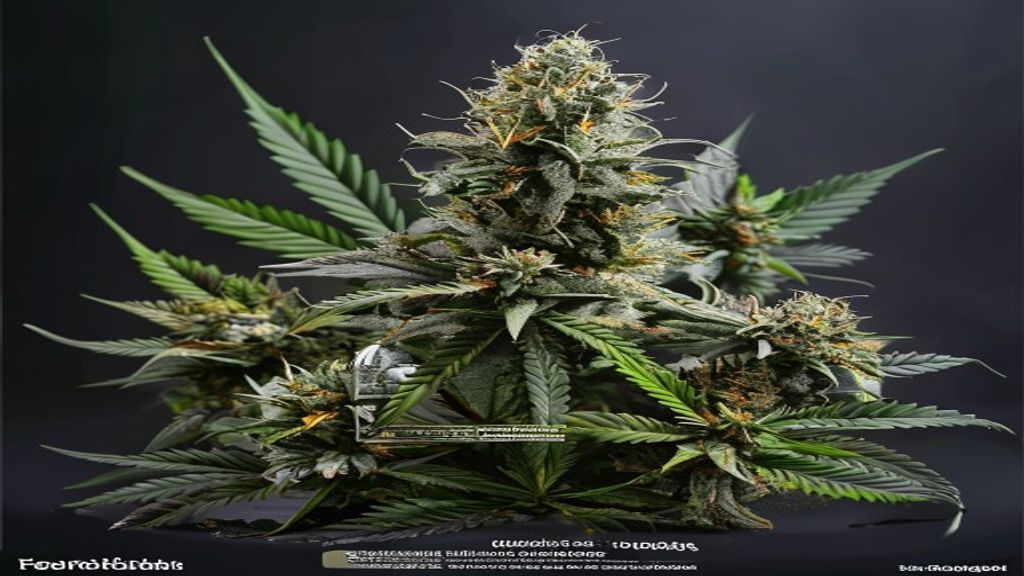
The evolution of the cannabis industry has transitioned from a focus on basic potency to a sophisticated appreciation for genetic rarity and complex chemical profiles. This shift has given rise to the category of exotic weed strains, a term that describes cultivars distinguished by their unique lineage, aesthetic appeal, and distinctive organoleptic properties. Unlike commercial varieties bred for high yields and rapid growth, exotic varieties prioritize the meticulous expression of secondary metabolites, including rare terpenes and flavonoids. These strains represent the intersection of horticultural mastery and selective breeding, often originating from small-batch operations that emphasize quality over quantity. For the discerning consumer, identifying these varieties involves a deep understanding of phenotypic expression and the subtle nuances that separate a standard top-shelf product from a truly artisanal genetic. As the market continues to mature, the demand for exotic weed strains remains a primary driver of innovation within the global cannabis supply chain.
The Comprehensive Guide to Identifying and Sourcing Exotic Weed Strains
Defining the Characteristics of Exotic Weed Strains
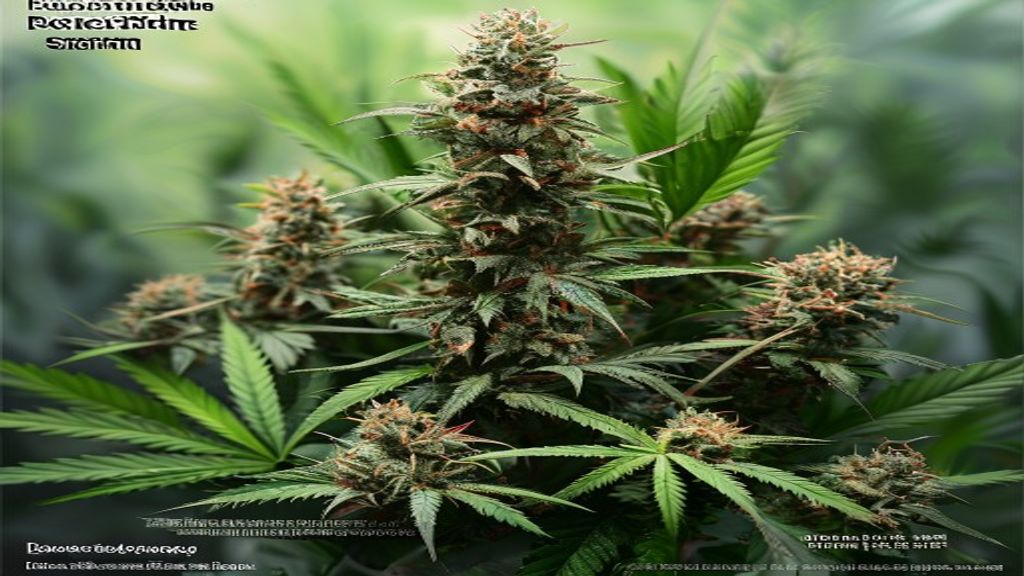
To accurately classify exotic weed strains, one must look beyond simple THC percentages. The primary indicators of an exotic cultivar are its bag appeal, aromatic complexity, and scarcity. These plants often exhibit vivid colorations, such as deep purples, blues, and even dark reds, which are the result of high anthocyanin concentrations triggered by specific environmental stressors and genetic predispositions.
Aromatic profiles in these varieties are frequently more layered than their commercial counterparts. Rather than a singular “skunky” or “earthy” scent, exotic strains might present a bouquet of fermented fruit, creamy dessert notes, or sharp chemical fuel. This complexity is attributed to a diverse terpene matrix that interacts synergistically with cannabinoids to produce a more nuanced physiological effect, often referred to as the entourage effect.
Genetic Lineage and Phenotypic Selection
The foundation of any exotic strain lies in its genetic heritage. Many modern exotics are the result of crossing stable landrace strains with contemporary high-potency hybrids. Breeders often engage in “pheno-hunting,” a process where hundreds of seeds are germinated to find a single plant that exhibits exceptional traits.
The Influence of “Dessert” Genetics
In recent years, the market has been dominated by dessert-themed lineages. Strains such as Gelato, Cookies, and Sherbert serve as the genetic backbone for many contemporary exotics. These lines are prized for their high resin production and dense flower structure, providing a consistent canvas for further genetic manipulation and refinement.
| Strain Name | Primary Lineage | Dominant Terpene | Aroma Profile |
|---|---|---|---|
| Pink Runtz | Zkittlez x Gelato | Limonene | Sugary Candy, Tart Fruit |
| Gary Payton | The Y x Snowman | Caryophyllene | Pungent Gas, Burnt Rubber |
| Apples and Bananas | Blueberry x Platinum Cookies | Myrcene | Rotten Fruit, Spiced Apple |
Market Differentiation: Exotic vs. Top-Shelf
Understanding the distinction between “top-shelf” and truly exotic weed strains is vital for navigating the premium cannabis market. While top-shelf cannabis represents high-quality flower that meets standard aesthetic and potency benchmarks, exotic cannabis represents the absolute peak of genetic rarity. Often, exotics are released in limited drops, creating a sense of exclusivity similar to high-end fashion or rare spirits.
| Feature | Commercial Grade | Top-Shelf | Exotic Grade |
|---|---|---|---|
| Visuals | Standard Green, Moderate Frost | Bright Colors, High Trichome Density | Multicolor, Exceptional Resin Coverage |
| Availability | Mass Produced, Always Available | Regularly Stocked | Limited Release, Small Batch |
| Price Point | Budget Friendly | Premium Pricing | Maximum Luxury Pricing |
The Role of Cultivation in Exotic Quality
The genetic potential of exotic weed strains can only be fully realized through precise cultivation techniques. Most exotic flower is grown in controlled environment agriculture (CEA) facilities where variables such as CO2 levels, light spectrum, and nutrient ratios are meticulously managed. Small-batch cultivators often utilize organic “living soil” methods to enhance the terpene production that defines the exotic category.
Post-harvest handling is equally critical. Exotic buds are typically hand-trimmed to preserve the delicate glandular trichomes that contain the plant’s essential oils. Furthermore, an extended curing process—often lasting several weeks—is employed to allow for the breakdown of chlorophyll, resulting in a smoother smoke and a more pronounced flavor profile.
- Hand-Trimming: Preserves the structural integrity of the flower and resin heads.
- Cold-Curing: Slows the degradation of volatile terpenes.
- Micro-Climate Control: Ensures consistent cannabinoid development across the entire canopy.
Key Takeaways
- Exotic weed strains are defined by genetic rarity, complex terpene profiles, and superior aesthetic appeal.
- The “exotic” label signifies a tier above standard top-shelf cannabis, often associated with small-batch production.
- Phenotypic selection and meticulous post-harvest curing are essential to maintaining exotic quality.
- Consumers should look for unique aromatic notes and dense trichome coverage as markers of authentic exotic genetics.
Frequently Asked Questions
What makes a strain “exotic” compared to regular cannabis?
An exotic strain is distinguished by its limited availability, unique genetic lineage, and an exceptional sensory profile that includes rare colors and complex aromas. It represents the highest level of craftsmanship in cannabis cultivation, focusing on unique traits rather than mass-market appeal.
Are exotic weed strains more potent than others?
While exotic strains often possess high THC concentrations, their value is derived more from their terpene diversity and “entourage effect” than from raw potency alone. The focus is on the quality and nuance of the experience rather than just the intensity of the psychoactive effect.
Why are exotic strains significantly more expensive?
The higher cost is attributed to the labor-intensive cultivation methods, lower yields typical of boutique genetics, and the extensive pheno-hunting required to discover these unique varieties. Additionally, the limited supply and high market demand contribute to premium pricing.
How can I verify if a strain is truly exotic?
Verification relies on checking the cultivator’s reputation, examining the laboratory test results for terpene diversity, and observing the physical characteristics of the flower. Authentic exotics will exhibit a “frosted” appearance from dense trichomes and possess a multi-layered aroma that persists even after the jar is opened.
About the Author