The contemporary cannabis market is characterized by a relentless pursuit of unique chemotypes and bag appeal, yet few cultivars have achieved the legendary status of the blue zushi weed strain. Originally propelled into the spotlight by the elusive UK-based brand The TenCo, blue Zushi has transitioned from a niche connoisseur favorite to a global benchmark for quality. This Indica-leaning hybrid represents a masterful genetic intersection, offering a sophisticated organoleptic experience that distinguishes it from the myriad of “dessert” strains currently saturating the industry. Its rise to prominence was cemented by high-profile accolades, including a prestigious victory at the Spannabis Champions Cup, which validated its exceptional potency and unique terpene expression. For the discerning consumer or professional cultivator, understanding the intricacies of Blue Zushi involves exploring its complex lineage, its distinct cooling flavor profile, and the balanced physiological effects that make it a versatile choice for both recreational and therapeutic applications.
A Comprehensive Guide to the Blue Zushi Weed strain: Genetics, Effects, and Cultivation
Genetic Heritage and Breeding History
The blue zushi weed strain is the result of a deliberate cross between two iconic parents: Zkittlez and Kush Mints. This pairing was designed to stabilize the volatile, candy-like essence of Zkittlez by introducing the structural integrity and high-potency characteristics of the Kush lineage. While Zkittlez provides the foundation for the strain’s tropical fruit notes, Kush Mints (a cross of Bubba Kush and Animal Mints) contributes a refreshing mentholated finish and a more dense, resinous floral structure.
The synergy between these ancestors creates a phenotype that exhibits remarkable stability. Breeders often look for the “Z” leaning traits in the aroma while maintaining the “Mints” leaning resilience in the grow room. This genetic combination has proven to be a winning formula, allowing the Blue Zushi weed strain to maintain a premium price point in dispensaries across the globe.
| Characteristic | Details |
|---|---|
| Genetics | Zkittlez x Kush Mints |
| Type | Indica-dominant Hybrid (approx. 60/40) |
| Primary Terpenes | Limonene, Caryophyllene, Linalool |
| Average THC | 19% – 25% |
Sensory Profile: Aroma and Flavor
The olfactory experience of Blue Zushi is often described as multifaceted. Upon opening a container, the initial notes are typically sweet and floral, reminiscent of blue raspberry candy. However, as the buds are broken down, a deeper complexity emerges, revealing undertones of pine, earth, and a sharp gas-like finish. This transition from sweetness to savory depth is a hallmark of high-quality Blue Zushi phenotypes.
On the palate, the flavor mirrors the aroma but introduces a distinctive “cool” sensation during the exhale. The presence of Kush Mints provides a minty, herbaceous layer that cuts through the sugary Zkittlez influence. This creates a clean smoke that is frequently cited as one of the smoothest in the modern cannabis landscape, making it highly desirable for vaporizing where the subtle terpene nuances can be fully appreciated.
Potency and Cannabinoid Composition
While some modern hybrids chase THC percentages exceeding 30%, Blue Zushi focuses on the “entourage effect”—the synergistic interaction between cannabinoids and terpenes. Most laboratory tests place the blue zushi weed strain in the 20% to 24% THC range. While this is certainly potent, it is the terpene concentration that dictates the quality of the experience.
Key Takeaways
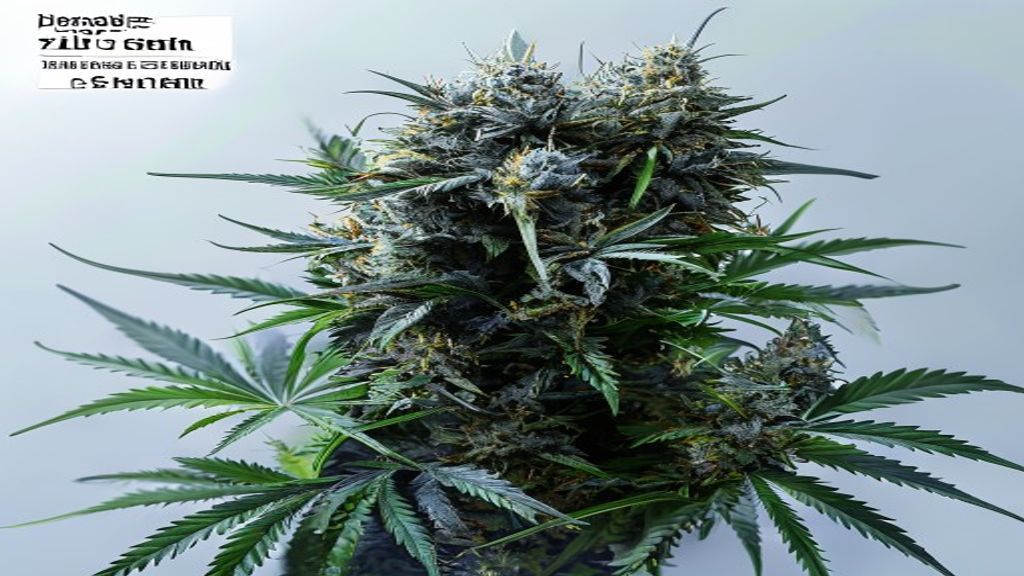
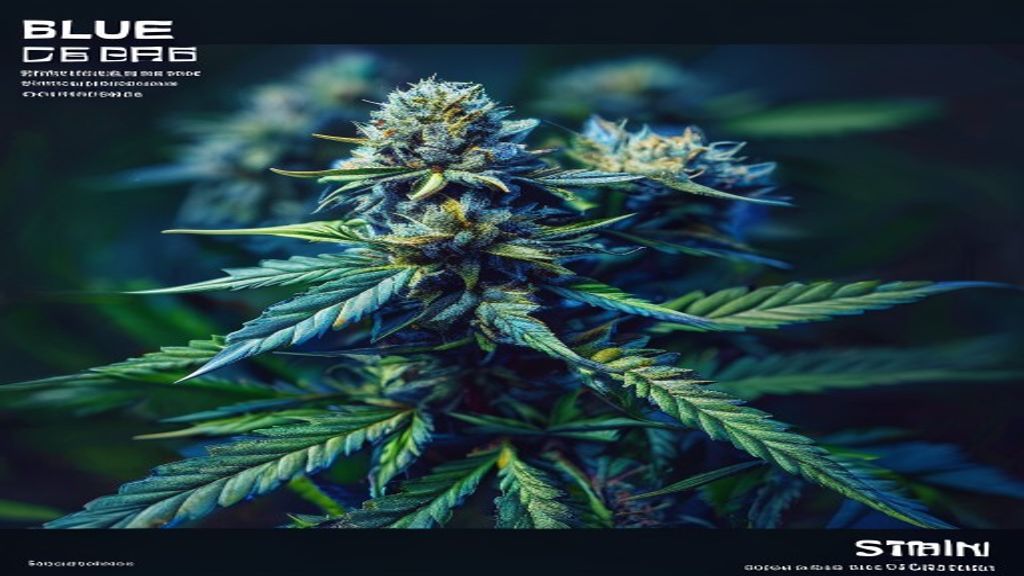
- Aesthetic Appeal: The buds typically exhibit deep forest greens with occasional flashes of purple and a thick coating of silvery trichomes.
- Balanced Hybridization: Unlike pure Indicas that cause immediate sedation, Blue Zushi maintains a level of mental clarity.
- Terpene Dominance: High levels of Limonene contribute to the uplifted mood, while Caryophyllene provides potential anti-inflammatory benefits.
- Resin Production: This cultivar is highly prized by extractors for producing high-quality solventless hash and rosin.
Effects and Therapeutic Applications
The physiological impact of the Blue Zushi weed strain is characterized by a gradual onset. It typically begins with a cerebral “lift” that alleviates mental stress and fosters a sense of euphoria. As the high progresses, a soothing body sensation takes hold, easing muscular tension without the overwhelming lethargy often associated with heavy Kush strains. This makes it an excellent choice for late afternoon or evening use.
From a medical perspective, Blue Zushi is frequently utilized by patients seeking relief from chronic stress, anxiety, and mild depression. The physical relaxation it provides can also assist those struggling with minor aches or insomnia. Because it lacks the aggressive “edge” of some high-THC Sativas, it is generally well-tolerated by users who are prone to THC-induced anxiety.
Cultivation Characteristics and Yield
Cultivating Blue Zushi requires a moderate level of expertise, as the strain can be somewhat finicky regarding environmental shifts. It thrives in controlled indoor environments where humidity and temperature can be meticulously managed. The plants typically reach a medium height and exhibit a bushy structure that benefits from techniques like topping and Low-Stress Training (LST) to maximize light penetration to lower nodes.
Comparative Growth Analysis
| Feature | Blue Zushi | Standard Zkittlez |
|---|---|---|
| Flower Time | 8–9 Weeks | 7–8 Weeks |
| Yield | Moderate to High | Low to Moderate |
| Plant Height | Medium/Sturdy | Short/Fragile |
| Resilience | High | Moderate |
The flowering cycle usually concludes within 60 to 65 days. During the final weeks, the plant’s odor becomes pungent, necessitating the use of high-quality carbon filtration. While it may not be the highest-yielding strain in a commercial setting, the market value of the final flower often justifies the smaller harvest weight due to its premium status and demand among collectors.
Frequently Asked Questions
Is Blue Zushi a true Indica?
Blue Zushi is technically a hybrid, though it leans toward the Indica side of the spectrum. It offers the physical relaxation of an Indica while retaining enough Sativa influence to prevent immediate “couch-lock,” making it a balanced experience for most users.
Who originally bred the Blue Zushi weed strain?
The strain was brought to international fame by The TenCo. While several breeders have since attempted to replicate the genetics, the original TenCo “Blue Zushi” remains the standard against which all other versions are measured.
What are the primary terpenes in Blue Zushi?
The primary terpenes are Limonene, which provides the citrusy sweetness, Caryophyllene, which adds a spicy/gassy note, and Linalool, which contributes to the floral aroma and calming effects.
How does Blue Zushi compare to Yellow Zushi?
While both share the Zkittlez lineage, Yellow Zushi often leans more toward the fruity, candy side with a lighter physical effect, whereas Blue Zushi incorporates more of the minty, heavy-hitting Kush Mints influence, resulting in a more potent body high.
About the Author