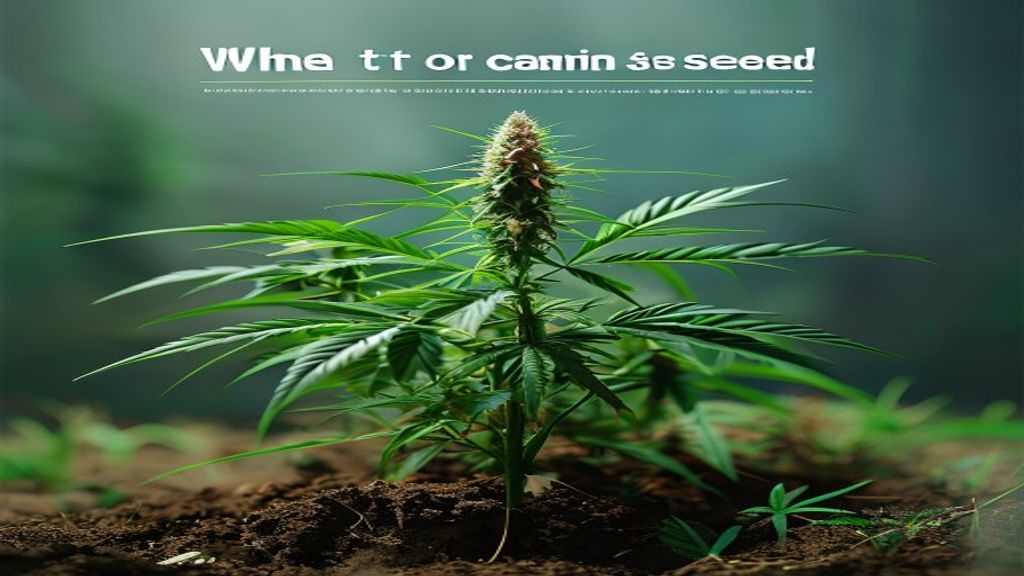
Determining when to plant cannabis seed is a decision that dictates the physiological trajectory of the plant, ultimately influencing the final cannabinoid profile and biomass yield. In temperate climates, the synchronization of seed germination with the spring equinox and the receding threat of frost is paramount for outdoor success. While indoor cultivators maintain total sovereignty over environmental variables, outdoor growers must navigate the nuances of local microclimates and the astronomical clock. Understanding the delicate balance between soil temperature, diurnal light cycles, and the biological maturation period of specific cultivars is essential for any serious horticulturalist. If a grower initiates the process prematurely, the seedling may succumb to root rot or stunting due to cold soil; conversely, planting too late in the season restricts the vegetative phase, leading to diminished harvests. This guide examines the technical requirements for timing your planting to ensure that your cannabis seeds transition seamlessly from dormancy to vigorous vegetative growth, maximizing the genetic potential of the plant through strategic environmental alignment.
Optimizing Your Harvest: A Technical Guide on When to Plant Cannabis Seed
The Biological Clock: Photoperiodism and Genetics
Cannabis is predominantly a photoperiod-sensitive species, meaning its developmental stages are triggered by changes in the duration of light exposure. When you plant cannabis seed, you are initiating a biological timer that responds to the increasing day lengths of late spring and early summer. For photoperiod-sensitive varieties, the goal is to maximize the vegetative state, allowing the plant to build a robust structural framework before the autumn equinox triggers the reproductive, or flowering, phase.
Autoflowering varieties, however, operate on an internal chronometer independent of light cycles. These cultivars, derived from Cannabis ruderalis lineage, begin flowering after a specific number of days following germination. Consequently, the window for when to plant cannabis seed of an autoflowering variety is broader, although they still require optimal thermal conditions and high light intensity to thrive during their condensed life cycle.
Environmental Thresholds for Outdoor Planting
The primary environmental constraint for outdoor cannabis cultivation is the last frost date. Cannabis seeds require a minimum soil temperature of approximately 60°F (15°C) for reliable germination and early root development. Planting in cold, damp soil significantly increases the risk of fungal pathogens such as Pythium, which causes “damping off,” a condition where the seedling stem collapses at the soil line.
Thermal and Atmospheric Requirements
Beyond the absence of frost, atmospheric humidity and ambient air temperature play critical roles. Seedlings lack the extensive root systems necessary to manage high transpiration rates; therefore, a period of stable, mild weather is preferable to the erratic temperature fluctuations common in early spring. Consistent nighttime temperatures above 50°F (10°C) serve as a reliable indicator that the season is sufficiently advanced for outdoor transplantation.
Monitoring Soil Moisture and Drainage
Excessive spring rainfall can saturate the substrate, depriving the emerging radicle of necessary oxygen. If the local forecast predicts heavy precipitation, it is often prudent to delay planting or utilize raised beds to facilitate better drainage. The physical structure of the soil must remain aerobic to support the rapid metabolic activity associated with early-stage growth.
The Critical Importance of Timing When You Plant Cannabis Seed
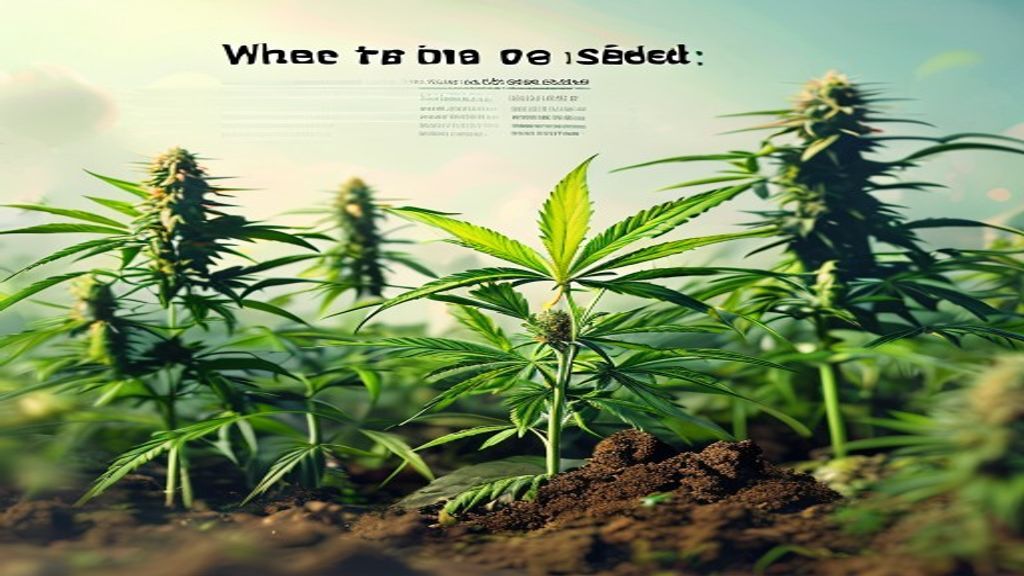
In the Northern Hemisphere, the traditional window for planting cannabis seed outdoors spans from late April to early June, depending on latitude. High-latitude regions with shorter growing seasons require growers to start seeds indoors several weeks prior to the last frost. This “head start” allows the plant to reach a sufficient size to withstand the transition to the outdoor environment once the photoperiod reaches approximately 14 to 15 hours of daylight.
| Variable | Ideal Range | Impact of Sub-Optimal Levels |
|---|---|---|
| Soil Temperature | 70°F – 75°F | Delayed germination or metabolic dormancy. |
| Ambient Air Temp | 72°F – 78°F | Reduced photosynthetic efficiency. |
| Relative Humidity | 65% – 70% | Increased transpiration stress and desiccation. |
| Daylight Hours | 14+ Hours | Risk of premature flowering (re-vegging). |
Comparison of Planting Windows by Genetic Type
The genetic makeup of your chosen cultivar significantly influences the ideal planting schedule. Sativa-dominant strains, which typically have longer flowering periods, benefit from an earlier start to ensure they reach maturity before the onset of winter rains or extreme cold. Indica-dominant varieties often mature faster, allowing for a slightly later planting window if necessary.
| Cultivar Type | Recommended Planting Window | Growth Duration |
|---|---|---|
| Photoperiod Sativa | Late April to Early May | 6–9 Months |
| Photoperiod Indica | Early May to Late May | 5–7 Months |
| Autoflowering | May to July | 2–3 Months |
Key Takeaways for Successful Planting
- Last Frost Date: Always consult local agricultural charts to identify the historical last frost date for your specific zip code.
- Indoor Preparation: Consider starting seeds indoors 3–4 weeks before the outdoor move to ensure seedling resilience.
- Photoperiod Awareness: Ensure outdoor light duration is increasing to prevent the plant from entering a premature reproductive phase.
- Acclimatization: Use a “hardening off” process by gradually exposing indoor seedlings to outdoor elements over 7–10 days.
- Substrate Temperature: Prioritize soil warmth over air temperature, as root health is the primary driver of early vegetative vigor.
Frequently Asked Questions
Can I plant cannabis seeds in March?
In most temperate climates, March is prematurely early for outdoor planting due to the high risk of frost and insufficient daylight hours. Planting too early can trigger “re-vegging,” where the plant starts to flower due to short days and then reverts to vegetative growth, causing significant stress and morphological abnormalities.
How does latitude affect when to plant cannabis seed?
Latitude determines the duration of the growing season and the rate at which day length changes. Growers in southern latitudes (closer to the equator) have a much wider planting window, whereas those in northern latitudes must be precise with their timing to ensure the crop matures before the first hard freeze in autumn.
Does soil type influence the planting date?
Yes, soil composition affects thermal retention. Sandy soils warm up more quickly in the spring than heavy clay soils. If you are planting directly into the ground, you may need to wait longer for clay-heavy areas to reach the requisite 60°F threshold compared to lighter, well-aerated soils.
Should I wait for a specific moon phase to plant?
While some traditional agricultural practices suggest planting during the waxing moon to capitalize on perceived lunar influence on moisture, scientific evidence suggests that temperature and photoperiod are the dominant factors. Focus on environmental data and meteorological forecasts rather than lunar cycles for consistent results.
About the Author