For many enthusiasts, the woody stems of the cannabis plant are often regarded as a byproduct to be discarded after the flower has been processed. However, these structural components contain a modest concentration of cannabinoids and terpenes that can be utilized to create a mild, therapeutic infusion. Learning how to make cannabis tea with stems is an excellent exercise in sustainability and resourcefulness, allowing the consumer to extract every possible benefit from the botanical material. While the potency of a stem-based tea will not rival that of a flower-based edible, it offers a subtle alternative for those seeking a gentle experience or a nighttime ritual focused on relaxation rather than intense psychoactivity.
The process involves more than simply steeping raw plant matter in boiling water. Because cannabinoids like THC and CBD are hydrophobic and non-psychoactive in their raw acid forms (THCA and CBDA), the preparation requires a fundamental understanding of organic chemistry—specifically decarboxylation and lipid binding. This guide provides a sophisticated framework for transforming what is typically considered waste into a refined beverage. By following these professional methods, you will ensure that the extraction is both efficient and palatable, resulting in a clean tea that highlights the earthy, botanical notes of the cannabis plant without the harshness often associated with amateur preparations.
How to Make Cannabis Tea with Stems: A Comprehensive Guide to Low-Waste Infusions
Understanding the Science of Decarboxylation
The most common error in producing cannabis-infused beverages is skipping the decarboxylation phase. Raw cannabis stems contain THCA, which lacks the ability to cross the blood-brain barrier effectively. Applying controlled heat is necessary to remove a carboxyl group from the molecular chain, converting THCA into the active THC required for therapeutic or psychoactive effects. Without this step, the resulting tea will possess the nutritional profile of the plant but none of the desired cannabinoid activity.
To decarboxylate stems, spread them evenly on a baking sheet and heat them in an oven at approximately 240°F (115°C) for 40 to 60 minutes. It is vital to maintain a consistent temperature; excessive heat can degrade delicate terpenes and cause the cannabinoids to convert into CBN, which is significantly more sedative. Once the stems have turned a light golden brown and achieved a brittle texture, they are chemically primed for the infusion process.
Selecting the Proper Binding Agent
Cannabinoids are fat-soluble, meaning they require a lipid-based carrier to become bioavailable during digestion. Simply boiling stems in water will result in an ineffective infusion, as the active compounds will remain trapped within the plant matter or cling to the sides of the vessel. The inclusion of a high-fat binding agent is the defining factor in the efficacy of your cannabis tea.
Common binding agents include whole milk, coconut oil, or unsalted butter. The choice of agent depends on dietary preferences and the desired flavor profile. Below is a structured look at common carriers used in the infusion process:
| Binding Agent | Fat Content (Approx) | Infusion Efficiency | Primary Flavor Note |
|---|---|---|---|
| Coconut Oil | 100% | High | Neutral to Nutty |
| Grass-Fed Butter | 80-82% | High | Rich/Savory |
| Whole Milk | 3.25% | Moderate | Creamy |
| Oat Milk (Full Fat) | Varies | Moderate | Sweet/Earthy |
Essential Steps for How to Make Cannabis Tea with Stems
Once your materials are prepared, the brewing process requires patience and precision. High-quality extraction is a function of time and temperature. Avoid high-boil scenarios, as aggressive heat can lead to a bitter, overly “green” flavor that overwhelms the beverage. Instead, aim for a gentle simmer that encourages the molecular transfer of cannabinoids into your chosen fat source.
Step 1: Preparation and Grinding
Break your decarboxylated stems into smaller pieces. You do not need to grind them into a fine powder; in fact, coarsely chopped stems are easier to strain later. Use roughly 1/4 to 1/2 cup of stems for every two cups of water to ensure a noticeable concentration.
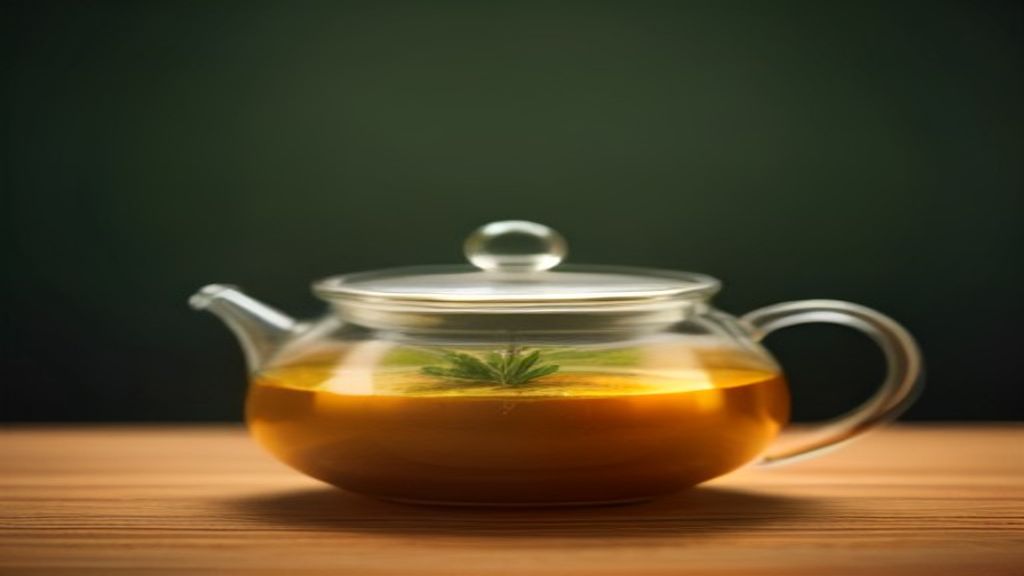
Step 2: The Infusion Simmer
Combine two cups of water and your binding agent (e.g., 1 tablespoon of butter or 1/2 cup of milk) in a small saucepan. Bring the mixture to a very light simmer. Add the stems and maintain this temperature for 20 to 30 minutes. Stir frequently to prevent the milk from scorching or the oil from separating entirely from the water.
Refining the Flavor Profile
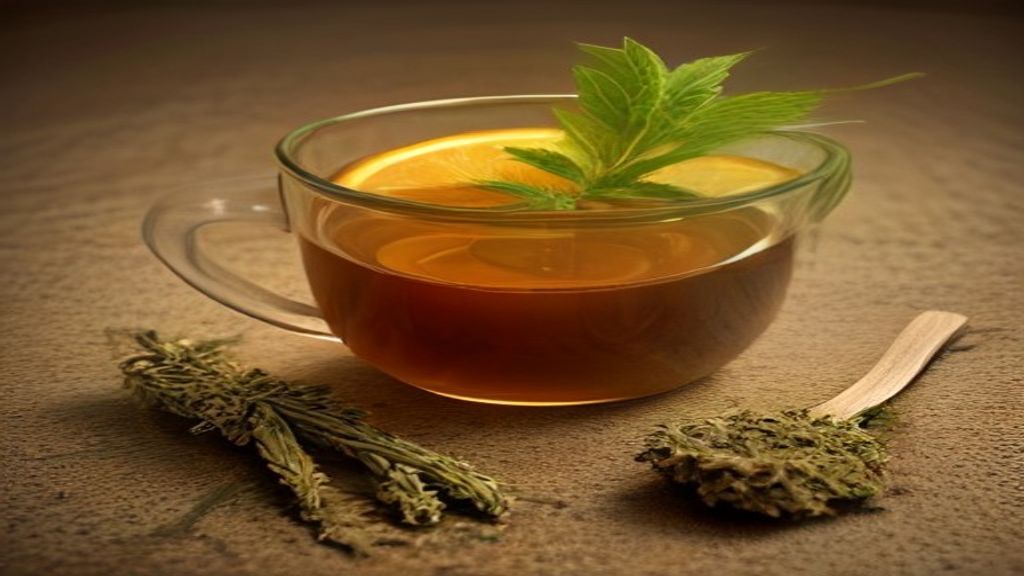
Cannabis stems have a distinctly woody flavor. To enhance the palate, consider adding traditional tea components during the final five minutes of the simmer. Chai spices, honey, or a bag of high-quality Earl Grey can mask the chlorophyll taste and provide a more complex sensory experience.
Potency and Effects Comparison
It is important to manage expectations when learning how to make cannabis tea with stems. Because the trichome density on stems is significantly lower than on the flower, the experience is generally more subtle. This makes it an ideal choice for individuals with a low tolerance or those who desire the “entourage effect” without overwhelming impairment.
| Feature | Flower-Based Tea | Stem-Based Tea |
|---|---|---|
| Potency Level | High to Intense | Mild to Low |
| Onset Time | 45-90 Minutes | 45-90 Minutes |
| Flavor Complexity | Pungent/Skunky | Woody/Hay-like |
| Sustainability | Standard Use | High Resource Utility |
Key Takeaways
- Decarboxylation is mandatory: Heat the stems at 240°F before brewing to activate the THC.
- Lipids are essential: Always include a fat source like butter or milk to ensure cannabinoid absorption.
- Low and Slow: Simmer the mixture for at least 20 minutes; avoid a rolling boil to preserve flavor and potency.
- Sustainability: Utilizing stems reduces botanical waste and provides a cost-effective way to enjoy cannabis.
Frequently Asked Questions
Will cannabis stem tea get me high?
The effects of stem tea are significantly milder than flower-based edibles. Depending on the strain and the quantity of stems used, you may feel a gentle sense of relaxation or “body buzz,” but it rarely produces a powerful psychoactive “high” for experienced users.
Can I make the tea without the decarboxylation step?
Technically yes, but the result will contain mostly THCA. While THCA offers anti-inflammatory properties, it is not psychoactive. If you are seeking the traditional effects of cannabis, decarboxylation is a necessary prerequisite.
How should I store the leftover stems?
Stems should be kept in a cool, dark place in an airtight container, similar to how you would store flower. If they become too dry or old, they may lose their cannabinoid content through oxidation, so try to use them within a few months of harvesting the flower.
How can I improve the taste of the tea?
The earthy flavor of stems can be neutralized by adding aromatic ingredients such as ginger, cinnamon, or peppermint. Adding a generous amount of honey or agave nectar also helps to counterbalance any residual bitterness from the plant material.
About the Author