The relationship between cannabis and mental health is characterized by a complex, dose-dependent paradox. For many individuals, identifying the best strain of weed for anxiety requires an understanding of how phytocannabinoids interact with the endocannabinoid system to modulate the body’s stress response. While certain cultivars provide profound sedation and anxiolytic effects, others may exacerbate feelings of panic or paranoia due to high concentrations of Tetrahydrocannabinol (THC). Achieving therapeutic success depends less on the colloquial “Indica vs. Sativa” distinction and more on the specific chemical synergy between cannabinoids and aromatic compounds known as terpenes. This comprehensive guide examines the physiological mechanisms behind cannabis-induced relaxation and provides data-driven recommendations for selecting strains that prioritize emotional stability and physiological calm. By focusing on low-to-moderate THC concentrations and high-terpene profiles, consumers can leverage cannabis as a tool for managing generalized anxiety, social phobia, and acute stress without the side effects often associated with more potent varieties.
Finding the Best Strain of Weed for Anxiety: A Scientific Guide
The Science of Cannabis and Anxiety Modulation
The human body maintains emotional homeostasis through the Endocannabinoid System (ECS), a vast network of receptors (CB1 and CB2) and endogenous ligands. When a person experiences anxiety, the ECS may be underactive, failing to regulate the amygdala—the brain’s fear center. Phytocannabinoids from cannabis, specifically Cannabidiol (CBD) and THC, mimic these internal ligands to restore balance.
The Role of the Endocannabinoid System
CBD is particularly noted for its ability to act as a 5-HT1A receptor agonist, which influences serotonin signaling similarly to some anti-anxiety medications. Unlike THC, CBD does not bind directly to CB1 receptors in the brain, meaning it does not produce a “high” but rather mitigates the psychoactive intensity of THC. This modulation is critical for users prone to panic attacks.
Understanding the Biphasic Effect
Cannabis follows a biphasic dose-response curve, meaning low and high doses can produce opposite effects. In low doses, THC can be highly effective at reducing anxiety by stimulating dopamine and GABA release. However, at higher concentrations, it can overstimulate the amygdala, leading to increased heart rate and heightened cortisol levels, which users interpret as a panic response.
Defining the Best Strain of Weed for Anxiety by Terpene Profile
The “entourage effect” suggests that the best strain of weed for anxiety is one where terpenes and cannabinoids work in tandem. Terpenes are not merely for aroma; they are pharmacologically active compounds that dictate the “personality” of a strain. For anxiety, we look for “calming” terpenes that have demonstrated sedative or anxiolytic properties in clinical studies.
Linalool, the primary terpene in lavender, is highly effective at reducing the “fight or flight” response. Myrcene provides a muscular relaxant effect, while Beta-Caryophyllene interacts directly with CB2 receptors to reduce physiological inflammation associated with chronic stress. Avoiding high-pinene or high-limonene strains may be beneficial for those sensitive to stimulation.
| Terpene | Aroma Profile | Therapeutic Effect | Found In |
|---|---|---|---|
| Linalool | Floral/Lavender | Sedative, Anxiolytic | Granddaddy Purple |
| Myrcene | Earthy/Musky | Muscle Relaxant | Northern Lights |
| Caryophyllene | Spicy/Peppery | Stress Reduction | Bubba Kush |
| Limonene | Citrus | Mood Elevation | Jack Herer (Use with Caution) |
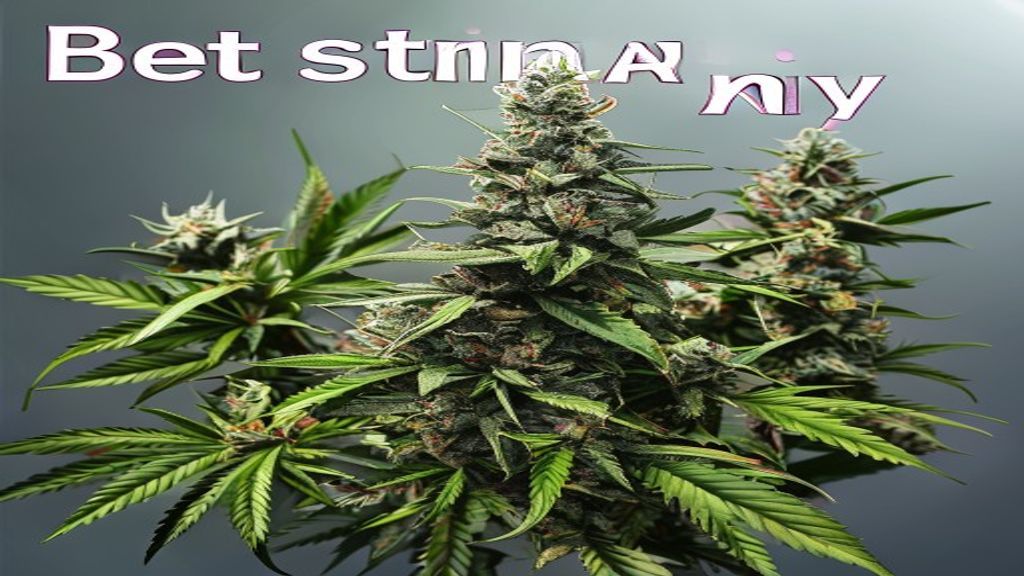
Top-Rated Cultivars for Stress Management
When selecting a cultivar, it is vital to distinguish between “High-CBD” strains and “Balanced” strains. For beginners or those with high sensitivity, a CBD-dominant profile is often the safest entry point. For experienced users seeking a more significant “reset,” a balanced 1:1 THC to CBD ratio provides the therapeutic benefits of both molecules without the overwhelming cerebral intensity.
- ACDC: A high-CBD strain with almost no psychoactive effect, perfect for daytime anxiety management.
- Harlequin: A 5:2 CBD to THC ratio that offers mild euphoria while maintaining mental clarity.
- Granddaddy Purple: A classic indica-dominant strain rich in Linalool, ideal for evening use and sleep-related anxiety.
- Pennywise: A balanced 1:1 strain that provides functional relaxation and physical ease.
| Strain Type | Typical Ratio (CBD:THC) | Best Use Case | Psychoactivity Level |
|---|---|---|---|
| CBD-Dominant | 20:1 | Work, Social Situations | None to Minimal |
| Balanced | 1:1 | General Stress, Pain | Moderate/Mild |
| THC-Dominant | 1:20 | Deep Sedation, Insomnia | High |
Strategic Dosing and Safety Protocols
Microdosing is the most effective strategy for managing anxiety with cannabis. By starting with 1mg to 2.5mg of THC, users can find their “therapeutic window” without crossing into the territory of impairment. Consistency is key; maintaining a low, stable level of cannabinoids in the system can prevent the peaks and valleys of anxious episodes.
- Start with a high-CBD tincture to establish a baseline of calm.
- If smoking or vaping, take a single inhalation and wait 15 minutes to assess the effect.
- Keep a “rescue” CBD-only pen nearby to counteract THC if you feel over-stimulated.
- Avoid caffeine or other stimulants when testing a new strain for anxiety.
Key Takeaways:
• Priority should be given to strains with high CBD or balanced ratios.
• Terpenes like Linalool and Myrcene are essential for sedation and stress relief.
• The biphasic effect means that “less is more” for anxiety patients.
• Always verify lab results to ensure the strain is free of pesticides and heavy metals.
What is the absolute best strain of weed for anxiety for a beginner?
For a beginner, ACDC or Charlotte’s Web are the premier choices. These strains are CBD-dominant, meaning they provide the physiological benefits of cannabis—such as muscle relaxation and lower heart rate—without the psychoactive high that often triggers first-time user anxiety.
Can Sativa strains be used for anxiety?
While Sativas are generally associated with energy and stimulation, some cultivars like Jack Herer can be used if they have high levels of Terpinolene and are used in very small doses. However, most anxious users find greater success with Indica-leaning hybrids that prioritize physical relaxation over mental stimulation.
How does CBD help specifically with social anxiety?
CBD interacts with the brain’s serotonin receptors and helps modulate the “anticipatory anxiety” often felt before social interactions. Unlike alcohol, which can cause rebound anxiety, CBD provides a stable sense of ease without impairing cognitive function or speech patterns.
About the Author