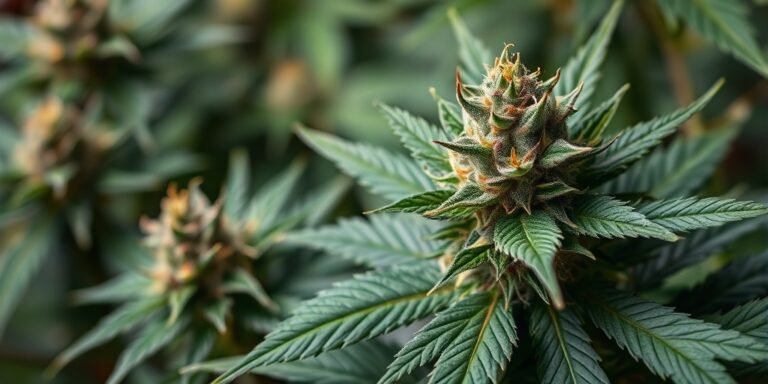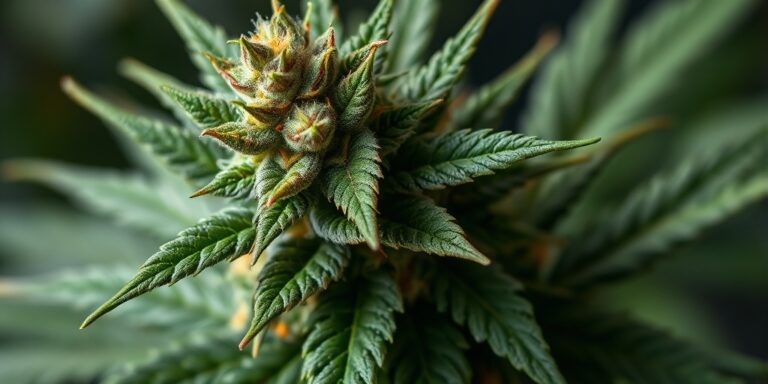
The modern cannabis market continuously evolves through advanced breeding techniques, yet few contemporary cultivars have achieved the immediate critical acclaim of the permanent marker weed strain. Recognized for its distinct chemical aroma, high resin density, and exceptional potency, this hybrid represents a noteworthy achievement in modern cannabis genetics. Bred by Seed Junky Genetics and selected by Doja Pak, the cultivar earned top industry honors, including Leafly’s Strain of the Year award in 2023.
Permanent Marker Weed: Genetics, Terpenes, and Cultivation
Understanding the qualities of permanent marker weed requires analyzing its lineage, biochemical properties, and user experience. Botanically, it combines proven parent lines to create a multi-layered sensory profile marked by pungent gas, floral undertones, and bittersweet candy. This publication offers an authoritative overview of its chemical makeup, therapeutic applications, comparative market standing, and ideal agronomic conditions for licensed growers seeking optimal results.
Table of Contents
Genetic Lineage and Origin
The genetic background of permanent marker weed reflects a strategic poly-hybrid cross designed to amplify aromatic volatile compounds and cannabinoid concentration. Breeders systematically crossed established parents to stabilize desirable phenotypical traits.
Breeding Heritage and Pedigree
The lineage stems from a three-way cross combining (Biscotti x Jealousy) with Sherb BX. This precise combination yields dense, resinous floral structures featuring dark violet foliage and bright orange pistils.
Parentage Overview
Biscotti contributes high THC density and a sweet baked-goods flavor, while Jealousy adds structural stability and vibrant purple coloration. The Sherb BX contribution introduces the signature sharp fuel and citrus aroma that distinguishes this cultivar from standard dessert strains.
Chemical Profile: Cannabinoids and Terpenes
Chemical testing reveals an impressive concentration of secondary metabolites. Total cannabinoid levels consistently test between 25% and 32% THC, placing it among the most potent selections currently available.
The olfactory profile is driven by a unique terpene ratio. Beta-caryophyllene serves as the primary terpene, working in synergy with limonene and myrcene to produce its distinctive industrial scent.
| Chemical / Growth Metric | Value / Description |
|---|---|
| THC Content Range | 25% – 32% |
| Primary Terpene | Beta-Caryophyllene |
| Secondary Terpenes | Limonene, Myrcene, Humulene |
| Aromatics | Industrial Solvent, Sour Gas, Earthy Floral |
| Flowering Time | 8 – 9 Weeks |
Permanent Marker Weed Effects and Therapeutic Potential
The physiological impact of permanent marker weed is balanced yet pronounced. As an indica-dominant hybrid, it engages both central nervous system receptors and physical peripheral tissue.
Consumers typically experience a structured onset sequence:
- Cerebral Stimulation: The initial phase brings rapid mental euphoria and stress reduction within minutes.
- Cognitive Engagement: A steady plateau allows for creative focus and relaxed social interaction without lethargy.
- Somatic Relaxation: Deep muscle relaxation spreads through the body, alleviating physical tension and discomfort.
Cultivar Comparison Matrix
Comparing permanent marker weed with related market strains clarifies its unique position within modern dispensaries.
| Cultivar Name | Dominant Terpene | Primary Effect | Average Potency |
|---|---|---|---|
| Permanent Marker | Caryophyllene | Balanced Euphoria & Body Calm | 28% THC |
| Jealousy | Caryophyllene | Relaxed Focus | 26% THC |
| Biscotti | Myrcene | Deep Physical Sedation | 25% THC |
| Sherbert | Terpinolene | Uplifting Mental Clarity | 22% THC |
Cultivation Characteristics
Cultivating permanent marker weed requires attention to canopy management and environmental parameters. The plant displays moderate vertical stretch during the early flowering phase and produces heavy, resinous calyxes.
Essential management practices include:
- Trellising: Install double-tiered canopy support to prevent branch breakage under heavy flower weight.
- Humidity Reduction: Maintain relative humidity between 40% and 45% late in bloom to protect bud density.
- Nutrient Scaling: Increase potassium and phosphorus inputs during peak floral development in weeks four through seven.
Key Takeaways
Permanent marker weed stands out due to its high THC concentration, complex chemical aroma, and balanced hybrid performance. Its pedigree ensures top-shelf quality, while its cultivation requires attentive humidity control and canopy management to achieve peak potential.
Frequently Asked Questions
Is permanent marker weed indica or sativa leaning?
It is an indica-dominant hybrid. It offers clear cerebral uplift initially, followed by substantial physical relaxation.
Why does this strain possess a chemical marker scent?
The industrial aroma is created by high concentrations of caryophyllene combined with limonene and volatile sulfur compounds within the plant resin.
What is the average indoor flowering period?
Indoor plants generally reach full harvest readiness in 8 to 9 weeks of photoperiod light adjustment.
About the Author