

Understanding what are og weed strains requires a retrospective look at the late 20th-century cannabis movement, particularly within the coastal microclimates of California. While the term “OG” is frequently colloquially interpreted as “Original Gangster,” its botanical roots most likely trace back to the phrase “Ocean Grown.” This designation was allegedly coined to distinguish indoor-grown crops nurtured near the Pacific coastline, which benefited from unique humidity levels and specific cultivation techniques, from their inland counterparts. Today, OG strains represent a cornerstone of modern cannabis genetics, serving as the foundational DNA for thousands of contemporary hybrids characterized by their distinct fuel-like aroma and potent physiological effects.
The significance of OG weed strains extends beyond mere nomenclature; they represent a specific genetic lineage that prioritized high THC concentrations and complex terpenoid profiles before such metrics were standardized in laboratory settings. For the discerning consumer or cultivator, identifying what are og weed strains involves recognizing a specific phenotype: dense, neon-green colas, a high calyx-to-leaf ratio, and a pungent bouquet of lemon-cleaner, gasoline, and damp earth. These varieties are not merely historical relics but are active drivers of the current market, valued for their reliable potency and their role in stabilizing newer, more experimental crosses. This article explores the genetic history, chemical composition, and cultural impact of these legendary cultivars.
The Definitive Guide to What Are OG Weed Strains
Defining the Origins of OG Weed Strains
The history of OG genetics is shrouded in industry folklore, yet most experts agree that the lineage began with the legendary OG Kush. In the early 1990s, a specific cutting from Florida was brought to Los Angeles, where it was refined and stabilized. This original plant is widely believed to be a cross between Chemdawg, Lemon Thai, and a Hindu Kush landrace. This combination resulted in a plant that offered the cerebral stimulation of a sativa with the heavy, physical relaxation of an indica.
What sets these varieties apart is their narrow genetic bottleneck. Unlike many modern “polhybrids” that blend dozens of different ancestors, true OG strains maintain a direct link to this specific ancestral pool. This genetic consistency ensures that when a user asks what are og weed strains, the answer always involves a certain level of predictable potency and a specific “skunky” aromatic signature that has become the industry standard for quality.
Botanical Characteristics and Terpene Profiles
OG strains are primarily identified through their organoleptic properties—the sensory experiences they provide. The primary terpene found in these genetics is typically Myrcene, which contributes to the “couch-lock” effect, followed closely by Limonene and Caryophyllene. This specific ratio creates the signature “gas” or “fuel” scent that is synonymous with the OG family.
Visually, these plants often exhibit a “stretchy” growth habit during the flowering stage, producing nodes that are spaced further apart than traditional indicas. The buds themselves are usually smaller but exceptionally dense, coated in a thick layer of crystalline trichomes. The presence of bright orange pistils against a backdrop of lime-green foliage is a classic visual indicator of the OG lineage.
| Characteristic | OG Weed Strains | Traditional Sativas | Traditional Indicas |
|---|---|---|---|
| Aroma Profile | Fuel, Lemon, Pine | Sweet, Citrus, Floral | Earth, Musk, Hash |
| Plant Structure | Vine-like, Moderate Stretch | Tall, Lanky, Large Stretch | Short, Bushy, Minimal Stretch |
| Primary Effect | Balanced, Potent Sedation | Cerebral, Energizing | Physical, Relaxing |
Prominent Phenotypes and Genetic Offshoots
Over the decades, several “cuts” or specific phenotypes of the original OG Kush have gained independent fame. These are often named after the breeders who stabilized them or the geographic regions where they were perfected. Understanding the nuances between these variations is essential for appreciating the breadth of the OG category.
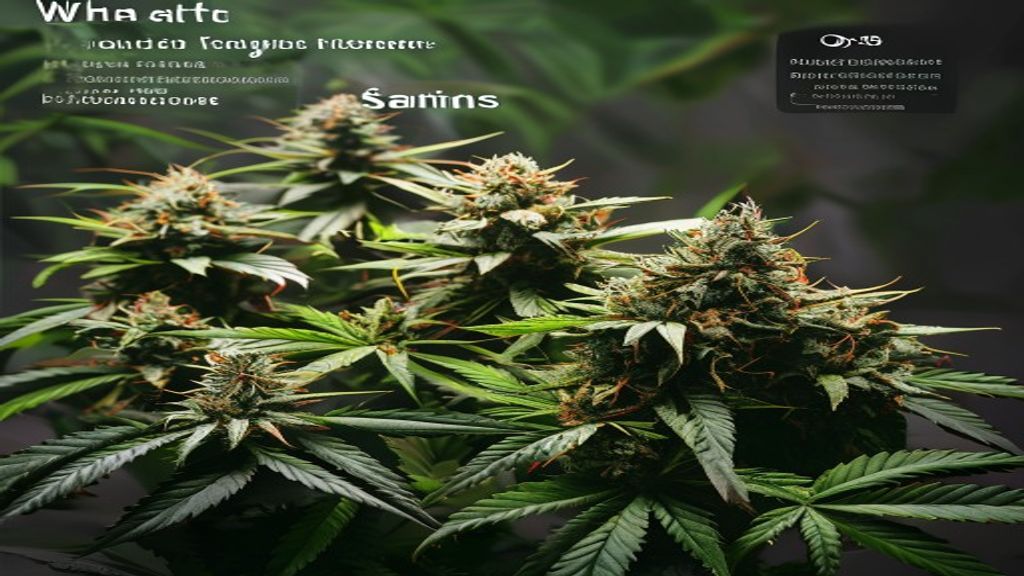
The Rise of Regional Variations
As the genetics moved through different cultivation circles, specific traits were emphasized. For example, Tahoe OG was bred for its enhanced sedative properties and suitability for cooler climates, while SFV OG (San Fernando Valley) is prized for its sharper, more aggressive lemon-pine aroma. These are not different species but rather environmental and selective expressions of the same core genetic blueprint.
Notable OG Family Members
- Ghost OG: Known for a more balanced “body-brain” effect and high resin production.
- Skywalker OG: A cross with Blueberry genetics that introduces a sweet, fruity undertone to the gasoline base.
- Fire OG: Recognized by its abundance of red hairs and significantly higher THC levels compared to the baseline.
Cultivation Insights and Therapeutic Potential
From a commercial perspective, OG strains are often considered “intermediate” to “difficult” to grow. They are sensitive to nutrient fluctuations and require precise light cycles to prevent hermaphroditism. However, the high market value of the finished flower justifies the extra labor. Proper airflow is critical, as the density of the buds makes them susceptible to mold if humidity is not strictly controlled during the final weeks of bloom.
| Growth Factor | Ideal Range/Requirement | Impact on Quality |
|---|---|---|
| Flowering Time | 8 to 9 Weeks | Determines resin maturity and terpene density. |
| Nutrient Needs | High Calcium/Magnesium | Prevents chlorosis in fast-stretching branches. |
| Yield Potential | Moderate (350-500g/m²) | Prioritizes quality and potency over sheer bulk. |
Therapeutically, the high concentration of Caryophyllene makes many OG strains effective for managing chronic inflammation and physical discomfort. Because these strains often possess a high THC content (frequently exceeding 20-25%), they are commonly recommended for experienced patients seeking relief from insomnia or severe stress. The “entourage effect”—the synergy between the cannabinoids and the specific fuel-based terpenes—is particularly pronounced in this family.
Key Takeaways
- OG strains likely originated from “Ocean Grown” genetics in California, crossing Chemdawg with Hindu Kush and Lemon Thai.
- The signature “gas” aroma is a result of high concentrations of Myrcene, Limonene, and Caryophyllene.
- These varieties are characterized by dense, lime-green buds and a potent, sedative physiological impact.
- Modern favorites like SFV OG and Tahoe OG are regional phenotypes of the original genetic line.
- They remain foundational to the cannabis industry due to their stabilizing influence in hybridization.
Frequently Asked Questions
Is OG Kush an indica or a sativa?
While often classified as an indica-dominant hybrid, OG Kush exhibits a “sativa-like” growth structure and provides significant cerebral stimulation alongside its heavy physical effects. Most modern phenotypes lean approximately 75% indica and 25% sativa.
Why are OG strains so popular?
Their popularity stems from their reliable high potency and unique aromatic profile. They provide a “heavy” experience that many seasoned consumers prefer, and they have a high market value due to their association with top-shelf West Coast quality.
Does “OG” always mean Ocean Grown?
In the context of the original California breeders from the 90s, yes, it generally referred to “Ocean Grown.” However, in modern pop culture and branding, it is frequently used as a shorthand for “Original Gangster,” implying a classic or high-status strain.
What is the strongest OG strain?
Potency varies by grower and environment, but Fire OG and King Louis XIII are consistently tested at very high THC levels, often reaching the 28-30% range when cultivated under optimal conditions.
About the Author