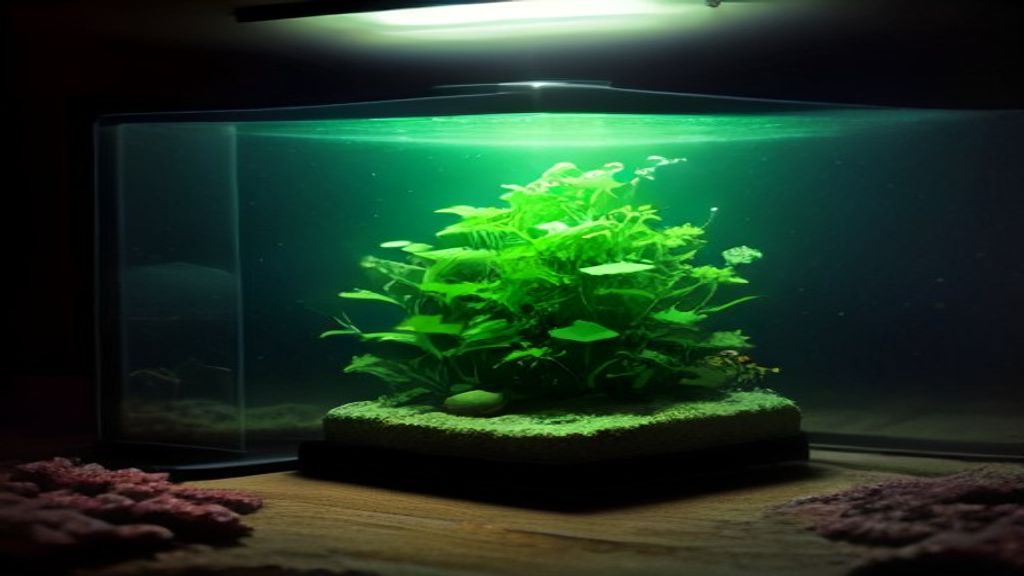
The intersection of indoor horticulture and aquaristics often leads enthusiasts to wonder about the cross-compatibility of specialized equipment. A frequent inquiry among novice cultivators is whether high-end aquatic lighting systems can be repurposed for botanical use. Specifically, growers ask: will LED aquarium lights grow cannabis? While the short answer is technically affirmative, the nuance lies in the efficiency, spectral output, and total irradiance required to bring a photoperiod-sensitive plant from seedling to a productive harvest. cannabis is a high-light intensity heliophyte, meaning its metabolic processes are optimized for high levels of solar radiation, a demand that most aquarium-specific fixtures are not engineered to meet during the critical reproductive phases.
Understanding the feasibility of this setup requires a deep dive into the physics of light and plant physiology. While a modern LED aquarium light may possess the necessary diodes to support vegetative growth, the architectural differences in light distribution and spectral peaks often result in diminished yields and lower cannabinoid concentrations. This article explores the technical limitations and potential applications of using aquatic LEDs in a terrestrial grow environment, providing a rigorous analysis for those seeking to maximize their indoor garden’s potential without compromising on final product quality.
Will LED Aquarium Lights Grow Cannabis? A Technical Analysis
Spectral Composition and Photosynthesis
To understand if aquatic lights are suitable, one must examine the Photosynthetically Active Radiation (PAR) spectrum, which ranges from 400 to 700 nanometers. Aquarium lights, particularly those designed for reef tanks, are heavily weighted toward the blue end of the spectrum (400–450nm) to simulate deep-water environments and encourage coral fluorescence. While blue light is essential for suppressing internodal stretching and promoting thick stems during the vegetative stage, it is insufficient for the flowering stage of cannabis.
The Role of Chlorophyll Absorption
Cannabis plants utilize Chlorophyll A and B to convert light into chemical energy. While blue light drives vegetative development, red light (660nm) is the primary driver of floral mass and essential oil production. Most freshwater aquarium lights lack these deep red peaks, leading to “airy” buds and a lack of density during the harvest phase. High-end aquarium fixtures may offer “full spectrum” options, but the ratios are rarely optimized for terrestrial biomass production.
Photomorphogenesis and Light Quality
Beyond simple energy, light acts as a signaling mechanism for plants. This process, known as photomorphogenesis, relies on the ratio of red to far-red light to trigger the flowering response. Aquarium lights often provide a “crisp” white or blue-heavy output that can confuse the plant’s phytochrome receptors, potentially delaying the onset of the reproductive cycle or resulting in suboptimal terpene profiles.
Evaluating the Spectrum: Will LED Aquarium Lights Grow Cannabis Effectively?
When asking will LED aquarium lights grow cannabis, the most significant hurdle is Photosynthetic Photon Flux Density (PPFD). PPFD measures the number of photons that actually land on the canopy per second. For a cannabis plant to thrive in the flowering stage, it typically requires a PPFD between 600 and 1,000 µmol/m²/s. In contrast, even high-end aquarium lights are designed to penetrate water, which involves different refractive properties, and usually deliver much lower intensities at a standard 18-inch hanging height.
| Feature | Standard Aquarium LED | Dedicated Cannabis LED |
|---|---|---|
| Primary Spectrum | Blue/Actinic/Cool White | Full Spectrum/Deep Red (660nm) |
| PPFD Output | Low to Moderate (100-300) | High (600-1500+) |
| Light Distribution | Narrow/Linear Beam | Wide/Uniform Coverage |
| Cooling System | Passive/Water-resistant | Active Fans or Large Heat Sinks |
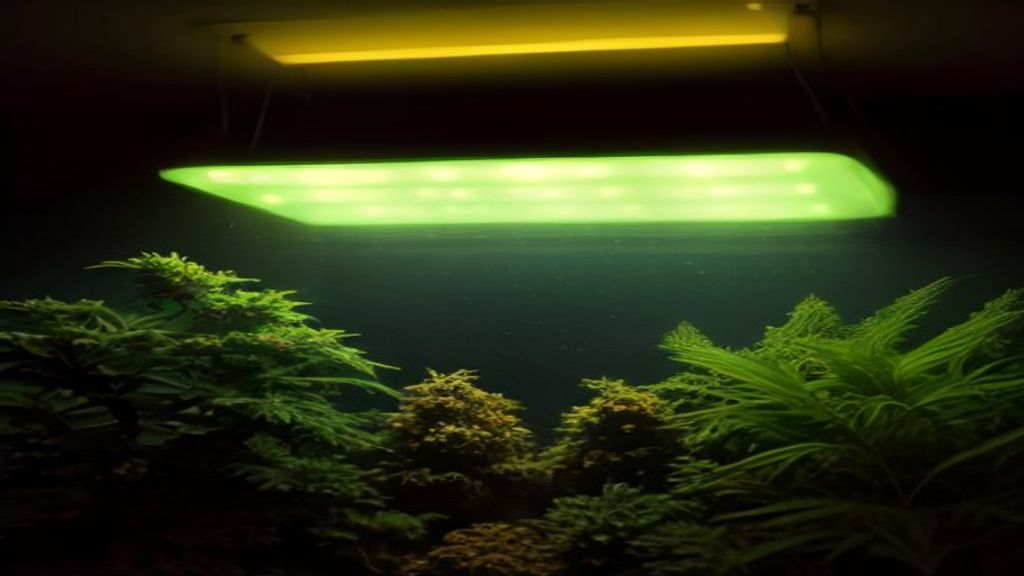
Practical Limitations in Cultivation
Even if an aquarium light possesses the correct diodes, its physical form factor is often detrimental to a successful grow. Aquarium lights are frequently designed as thin strips to fit over long, narrow tanks. Cannabis plants, conversely, require a uniform light footprint that covers a square or rectangular canopy. Using a linear aquarium light often results in “hot spots” directly under the LEDs and significant light drop-off at the edges of the plant, leading to uneven development.
Furthermore, the thermal management of aquarium LEDs is tailored for open-air environments or humid tank lids, not necessarily the enclosed, high-transpiration environment of a grow tent. Overdriving these lights to achieve the necessary intensity for cannabis can lead to premature diode failure or excessive heat buildup, which can stress the plants and invite pest infestations or pathogens like powdery mildew.
| Growth Phase | Optimal PPFD (µmol/m²/s) | Aquarium Light Suitability |
|---|---|---|
| Seedling | 100–300 | High – Very Effective |
| Vegetative | 300–600 | Moderate – Requires Proximity |
| Flowering | 600–1000+ | Low – Insufficient Red Spectrum |
Key Takeaways for Growers
- Vegetative Success: Aquarium LEDs are surprisingly effective for clones and young vegetative plants due to their high blue-light concentration.
- Flowering Deficiency: The lack of 660nm red light and overall intensity makes aquarium lights poor candidates for the flowering stage.
- Efficiency Gaps: You will likely spend more on electricity per gram of harvest when using aquarium lights compared to dedicated grow LEDs.
- Intensity Matters: To use aquarium lights effectively, they must be kept very close to the canopy, which increases the risk of light burn or heat stress.
Frequently Asked Questions
Can I use a reef LED for my cannabis plants?
Yes, reef LEDs are very powerful, but they are heavily skewed toward the blue and violet spectrum. While they will keep a plant alive and healthy during the vegetative stage, the lack of red light will result in very poor flower development and diminished yields.
Will LED aquarium lights grow cannabis through the entire life cycle?
Technically, the plant will complete its life cycle, but the quality will be significantly lower than if a dedicated grow light were used. Expect smaller, less potent flowers and a longer time to reach maturity.
How close should an aquarium light be to cannabis plants?
Because aquarium lights generally have lower PPFD than grow lights, they must be placed closer to the canopy, often within 8 to 12 inches. However, you must monitor the leaf temperature closely to ensure the diodes aren’t causing thermal stress.
Is it cheaper to use aquarium lights for growing?
In the long run, no. While you might save money if you already own the fixture, the grams-per-watt efficiency is much lower. Investing in a budget-friendly, full-spectrum LED grow light will provide a much better return on investment through higher yields and potency.
About the Author