The post-harvest phase of cannabis cultivation is often characterized by a singular focus on the primary inflorescences, yet the secondary leaf matter, known as trim, holds significant pharmacological value. Understanding how to store cannabis trim is essential for cultivators who intend to extract cannabinoids and terpenes for tinctures, topicals, or concentrates at a later date. When left exposed to the elements, the volatile compounds within the trichomes—specifically tetrahydrocannabinol (THC) and various monoterpenes—undergo rapid oxidative degradation. This process not only diminishes the potency of the material but also alters its aromatic profile, often resulting in a harsh, chlorophyllic taste. Proper storage involves the meticulous control of environmental variables to halt the biological senescence and chemical breakdown of the plant material. By implementing laboratory-grade preservation standards, cultivators can ensure that their secondary harvest remains a potent and viable resource for months. The following analysis explores the scientific principles of cannabinoid stability and provides a definitive framework for maintaining the chemical integrity of your cannabis trim through various storage modalities.
Comprehensive Guide: How to Store Cannabis Trim for Maximum Potency
Environmental Variables Affecting Trim Quality
The degradation of cannabis trim is primarily driven by four environmental catalysts: light, heat, oxygen, and moisture. UV radiation is perhaps the most destructive, as it facilitates the conversion of THC into cannabinol (CBN), a non-intoxicating cannabinoid associated with sedation rather than euphoria. When trim is stored in clear containers under ambient light, the degradation process accelerates significantly within weeks.
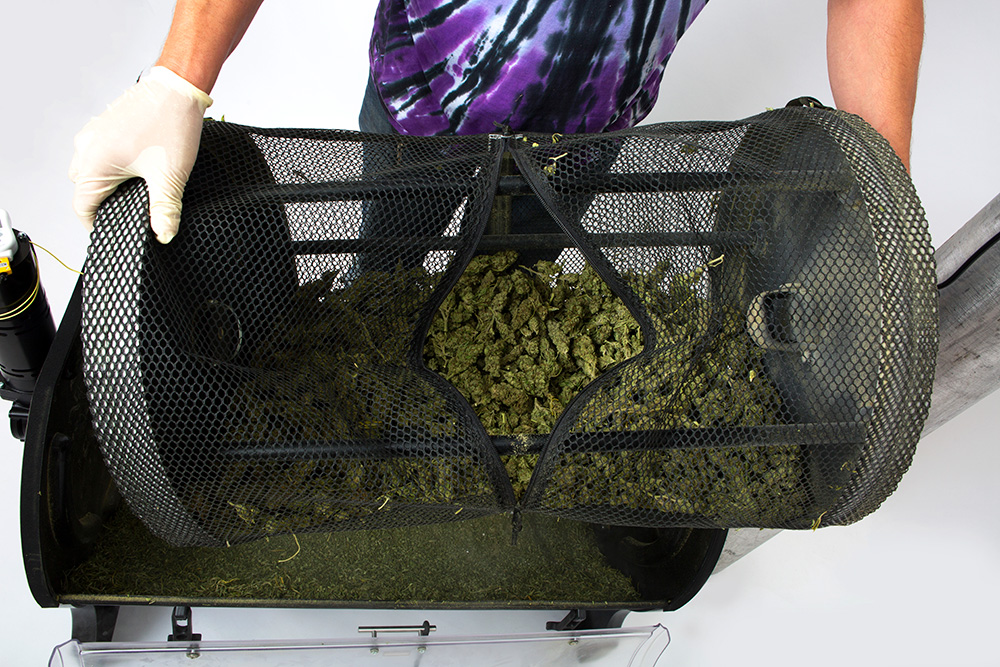
Temperature and humidity play dual roles in preservation. High temperatures increase the volatility of terpenes, causing them to evaporate and leaving the trim odorless and brittle. Conversely, excessive humidity creates a breeding ground for Botrytis cinerea (gray mold) and other fungal pathogens. Maintaining a stable environment is the cornerstone of effective botanical preservation.
The Role of Oxidation
Oxidation occurs when the delicate trichome heads are ruptured, exposing the interior oils to atmospheric oxygen. While trim is naturally more prone to oxidation than dense buds due to its higher surface-area-to-volume ratio, minimizing airflow within storage vessels can mitigate this risk. Hermetic seals are necessary to prevent the steady influx of oxygen that fuels chemical breakdown.
Maintaining Optimal Relative Humidity (RH)
For cannabis trim intended for extraction, maintaining a relative humidity between 58% and 62% is ideal. This range is sufficient to keep the material from becoming dust-like while remaining dry enough to prevent microbial proliferation. Using salt-based humidity packs is a standard industry practice to ensure these levels remain constant regardless of external fluctuations.
| Factor | Recommended Setting | Impact of Deviation |
|---|---|---|
| Temperature | 60°F – 68°F (15°C – 20°C) | High heat causes terpene loss; cold slows degradation. |
| Humidity | 58% – 62% RH | Low RH causes brittleness; High RH risks mold growth. |
| Light Exposure | Total Darkness | UV light converts THC to CBN rapidly. |
| Oxygen Level | Low / Vacuum Sealed | Oxygen facilitates oxidative cannabinoid breakdown. |
Strategic Methods for How to Store Cannabis Trim Effectively
Selecting the appropriate vessel is the most critical decision in the storage process. While many home growers default to plastic bags, these are often permeable to oxygen and can carry a static charge that pulls delicate trichomes away from the plant matter. Professional-grade options provide much better protection for the resinous glands.
Glass remains the gold standard for mid-term storage. Glass is non-reactive and impermeable, ensuring that no chemical leaching occurs between the container and the trim. For larger volumes of trim, food-grade stainless steel canisters or specialized Mylar bags with high-barrier properties are preferred. These materials provide the necessary opacity to protect against light while offering a robust seal against the atmosphere.
| Container Type | Pros | Cons |
|---|---|---|
| Glass Mason Jars | Airtight, non-reactive, easy to monitor. | Fragile, clear (requires dark storage). |
| Mylar Bags | Lightproof, flexible, vacuum-sealable. | Can crush trim if handled roughly. |
| Plastic Bins | Cheap, high capacity. | Static buildup, not fully airtight. |
| Vacuum Sealed Bags | Zero oxygen, maximizes space. | May rupture trichomes due to pressure. |
Long-Term Preservation and Freezing Techniques
When the intention is to store trim for six months or longer, cryopreservation via freezing is a viable strategy. However, this method requires specific precautions to prevent damage. When trim is frozen, the trichomes become extremely brittle and will break off at the slightest touch. Therefore, trim should be placed in a rigid container before being put in the freezer to prevent physical agitation.
Furthermore, moisture management is paramount when freezing. If the trim is not sufficiently dried before being frozen, ice crystals will form within the cellular structure, damaging the plant tissues. Upon thawing, this can lead to a “mushy” consistency that is difficult to process. Always ensure the material has undergone a full dry cycle before utilizing sub-zero storage solutions.
Key Takeaways for Successful Storage
- Prioritize Opacity: Always store trim in a dark location or use opaque containers to prevent UV-induced THC degradation.
- Control Humidity: Utilize two-way humidity control packs to maintain a consistent 58-62% RH.
- Minimize Agitation: Handle trim as little as possible to keep the resinous trichomes attached to the leaf surface.
- Avoid Plastic: Standard sandwich bags are insufficient for long-term potency; opt for glass or high-barrier Mylar.
- Seal Integrity: Regularly check the gaskets on jars or the heat seals on bags to ensure no oxygen ingress is occurring.
Frequently Asked Questions
How long does cannabis trim last?
When stored correctly in an airtight, cool, and dark environment, cannabis trim can retain its potency for 6 to 12 months. Beyond this point, even under ideal conditions, a slow decline in terpene concentration and cannabinoid stability is expected.
Can I store wet trim?
Storing wet trim in closed containers is highly discouraged as it almost guarantees the growth of mold and mildew. Trim must be dried until the stems snap before it is placed into long-term storage vessels.
Should I grind trim before storing it?
No, you should never grind trim before storage. Grinding increases the surface area exposed to oxygen and ruptures the trichomes, leading to immediate and rapid potency loss. Keep the trim in its natural state until the moment of extraction.
Is the freezer better than a cool cupboard?
The freezer is superior for long-term storage (over 6 months) as it halts most chemical reactions. However, for short-term use, a cool, dark cupboard is often safer as it avoids the risks of trichome brittleness and moisture issues associated with freezing.
About the Author