The cannabis landscape constantly evolves through targeted breeding, yielding unique chemotypes that cater to nuanced consumer preferences and therapeutic applications.
Blue Sharpie Strain: Genetic Lineage, Terpene Profile, and Cultivation Guide
The blue sharpie strain has rapidly gained prominence among connoisseurs and commercial cultivators for its distinctive organoleptic properties and robust physiological impact. Emerging from the synthesis of gas-forward genetics and fruit-accented lineages, this hybrid delivers a complex olfactory experience reminiscent of industrial solvents blended with dark berries. Its rising popularity underscores a broader market shift toward strains exhibiting high terpene concentrations paired with potent cannabinoid profiles.
Understanding the precise characteristics of the blue sharpie strain allows both consumers and growers to maximize its potential. From its intricate chemical composition to specific environmental demands during flowering, analyzing this cultivar provides valuable insights into modern hybrid breeding. This comprehensive guide examines the genetics, chemical architecture, expected effects, and optimal agronomic practices required to successfully cultivate and appreciate this exceptional strain.
Table of Contents
Genetic Background of the Blue Sharpie Strain
The heritage of the blue sharpie strain represents a deliberate effort to cross pungent, marker-like fuel strains with dense, berry-heavy hybrids. While exact breeder origins can vary by region, verified cuts stem from crossing genetics aligned with Permanent Marker or Sharpie cultivars and elite Blue Sherbert descendants.
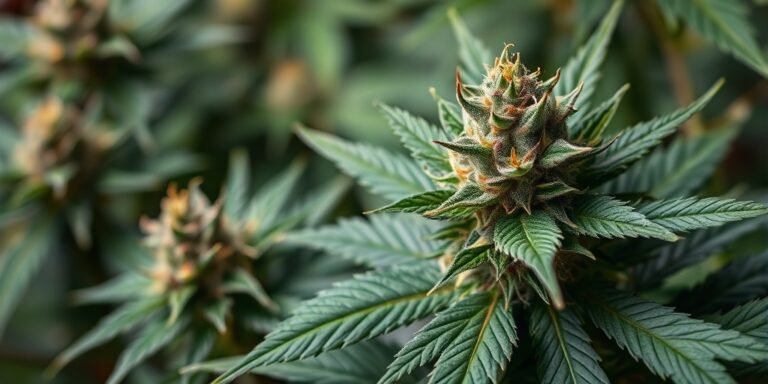
This combination produces an Indica-dominant hybrid structure characterized by tight internodal spacing, broad fan leaves, and heavy trichome deposition. The resulting phenotype inherits the structural durability of its Indica ancestry alongside the vibrant calyx development typical of top-tier modern hybrids.
| Attribute | Specification |
|---|---|
| Genetic Classification | Indica-Dominant Hybrid (approx. 70/30) |
| Average THC Content | 22% – 28% |
| Primary Terpenes | Caryophyllene, Myrcene, Limonene |
| Flowering Time | 8 to 9 Weeks |
| Aroma Profile | Pungent chemical fuel, tart blueberry, earthy cedar |
Chemical Architecture and Terpene Analysis
The organoleptic profile of this cultivar is driven by a sophisticated terpene matrix that directly influences both fragrance and therapeutic efficacy. High concentrations of volatile aromatic compounds give the flower its signature industrial scent, underpinned by subtle fruity notes.
Dominant Terpene Concentrations
Analytical testing reveals that beta-caryophyllene dominates the profile, providing a peppery spice while engaging CB2 receptors within the human endocannabinoid system. Myrcene contributes to the heavy sedating qualities and enhances cell membrane permeability, while limonene adds an uplifting citrus undertone that balances the overall aromatic expression.
The Synergistic Entourage Effect
When high concentrations of tetrahydrocannabinol interact with this specific terpene triad, users experience a pronounced entourage effect. This pharmacological synergy enhances both physical analgesia and mental relaxation without inducing immediate cognitive impairment.
Physiological and Mental Effects
Consumers report that the strain initiates with a rapid cerebral onset, transitioning into deep physical relaxation over subsequent hours. The high cannabinoid concentration requires cautious dosing, particularly for individuals with lower tolerance levels.
- Cerebral Stimulation: Initial euphoric focus and heightened sensory perception without rapid heart rate.
- Somatic Relaxation: Progressive muscular ease that reduces physical tension throughout the torso and limbs.
- Stress Mitigation: Pronounced reduction in nervous apprehension and cognitive clutter.
- Sedative Continuation: Gentle transition toward restful states during late-phase consumption.
Cultivation Guidelines and Environmental Parameters
Successfully raising this cultivar requires strict monitoring of humidity, light intensity, and nutrient delivery. Due to dense bud formation, rigorous climate control is essential to prevent microclimate moisture accumulation within the canopy.
- Vegetative Management: Top the main canopy early to encourage lateral branching and uniform light distribution across all flowering sites.
- Environmental Controls: Maintain daytime temperatures between 72°F and 78°F, keeping relative humidity around 55% during vegetation and dropping to 40% in late flower.
- Nutrient Strategy: Supply elevated calcium and magnesium levels during early bloom to support thick cellular wall development.
- Harvest Timing: Harvest when trichomes transition from clear to roughly 70% milky and 30% amber for optimal potency.
Cultivar Comparison Analysis
To contextualize the performance and profile of this strain, comparing it with related genetic lines provides valuable prospective data for both growers and consumers evaluating market options.
| Strain | Dominant Aroma | THC Range | Growth Difficulty |
|---|---|---|---|
| Blue Sharpie | Chemical Fuel & Blueberry | 22% – 28% | Moderate |
| Permanent Marker | Pungent Solvent & Floral | 25% – 30% | Moderate to High |
| Blue Dream | Sweet Berry & Herbal | 18% – 24% | Easy |
Key Takeaways
The blue sharpie strain stands out as an exceptionally potent hybrid that successfully blends sharp chemical aromas with sweet berry undertones. Its strong terpene composition offers potent therapeutic benefits, including deep physical relaxation and effective stress relief. Proper environmental monitoring during cultivation ensures maximum trichome density and protects dense flower clusters from humidity issues.
Frequently Asked Questions
Is the Blue Sharpie strain suitable for novice users?
Due to its high THC content ranging up to 28%, novice consumers should approach this cultivar with caution. Starting with minimal doses helps prevent unwanted side effects such as excessive lethargy.
What is the average flowering time for this strain?
When cultivated indoors, the strain typically completes its flowering cycle within 8 to 9 weeks. Outdoor crops generally reach maturity by late September or early October in northern climates.
Does the strain lean more toward Indica or Sativa?
It is predominantly an Indica-dominant hybrid, offering strong body relaxation while retaining enough Sativa influence to provide an initial mental lift.
What are the primary terpenes responsible for its distinct scent?
Beta-caryophyllene, myrcene, and limonene dominate its terpene profile. This combination creates the sharp, marker-like solvent aroma complemented by subtle fruit notes.
About the Author