Cultivation strategies for high-value botanical crops often hinge on the precise manipulation of plant architecture to maximize light interception and metabolic efficiency. One of the most critical interventions in this process is the technique of topping, a form of high-stress training that disrupts the natural growth habit of the specimen to favor a more productive, horizontal canopy. Understanding the biological imperatives behind this practice is essential for any serious cultivator looking to move beyond basic maintenance into the realm of advanced yield optimization.
Optimizing Harvest Potential: A Precise Guide on When to Top Cannabis Plant
The decision of exactly when to top cannabis plant specimens determines the future structure of the plant and its eventual flower density. Topping involves the strategic removal of the leading terminal shoot, or the “apical meristem,” which is responsible for the plant’s vertical growth through a process known as apical dominance. By removing this primary growth point, the cultivator forces the plant to redistribute growth hormones, specifically auxins, to the lower lateral branches. This hormonal shift results in the development of two new main colas instead of one, effectively doubling the potential for heavy flower production at the top of the canopy. However, timing is the most critical variable; applying this technique too early can result in permanent stunting, while waiting too long may lead to wasted vegetative energy and an unmanageable height. Achieving the perfect balance requires a keen understanding of the plant’s developmental stages, root health, and metabolic capacity to recover from the induced stress. This guide will provide the physiological indicators necessary to identify the ideal window for this intervention, ensuring your plants remain healthy while transitioning toward a more efficient, multi-topped structure.
Table of Contents
Identifying the Ideal Biological Window for When to Top Cannabis Plant
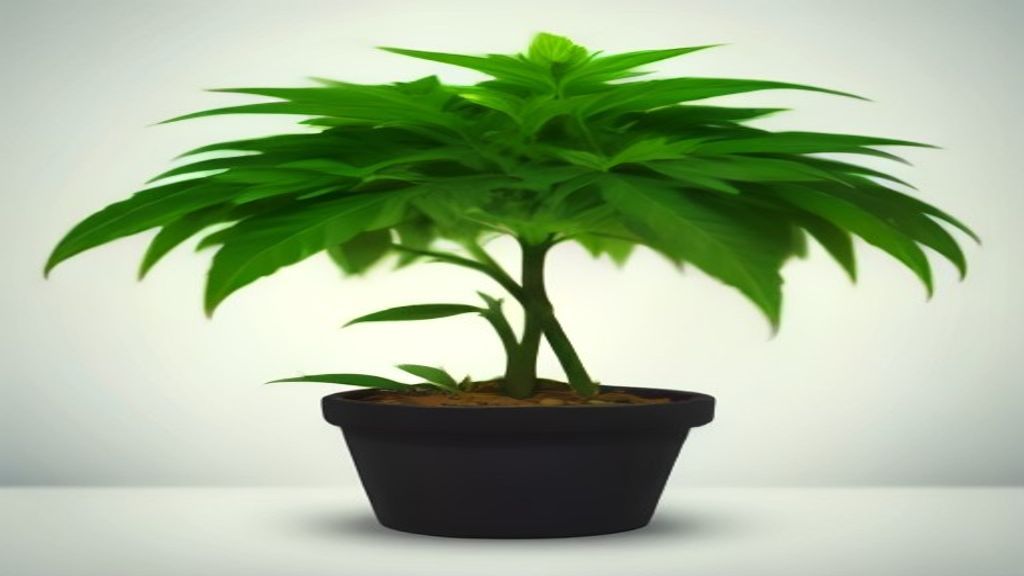
The primary indicator for determining when to top cannabis plant individuals is the development of nodes. A node is the point on the stem where a leaf and a branch originate. Cultivators should generally wait until the plant has established between four and six healthy nodes before attempting the first cut. This ensures that the root system is sufficiently developed to provide the necessary nutrients and water required for the plant to repair its vascular tissue and push new growth from the axillary buds.
If topping is performed on a seedling with only two or three nodes, the plant lacks the metabolic reserves to bounce back quickly. Conversely, allowing the plant to grow beyond seven or eight nodes before the first top can result in an overly tall, “leggy” plant that requires more support during the flowering phase. The goal is to create a sturdy, bush-like foundation that can support the weight of heavy inflorescences later in the life cycle.
The Role of Auxins and Apical Dominance
To understand the “why” behind the “when,” one must look at plant endocrinology. Auxins are hormones produced in the apical meristem that travel downward through the phloem, suppressing the growth of lateral buds. This evolutionary trait ensures the plant grows toward the light source as quickly as possible. When the terminal shoot is removed, the flow of auxins is interrupted, allowing secondary hormones like cytokinins to stimulate lateral growth, creating a uniform canopy.
Distinguishing Between Topping and FIMing
While topping involves a clean cut through the main stem, a related technique known as FIMing (“Fuck I Missed”) involves removing only about 75% of the new growth tip. This is less stressful for the plant and can result in four or more new colas, though it creates a less symmetrical structure than traditional topping. The choice between these two often depends on the specific strain’s resilience and the grower’s space constraints.
| Feature | Topping Technique | FIMing Technique |
|---|---|---|
| Stress Level | High Stress | Moderate Stress |
| Resulting Colas | 2 Main Colas | 4+ Main Colas |
| Recovery Time | 5–7 Days | 3–5 Days |
| Main Use Case | Height Control/Symmetry | Maximizing Yield in Small Space |
Environmental Variables and Recovery Duration
The plant’s ability to recover from topping is heavily influenced by its environment. Following the cut, the plant enters a period of relative dormancy where vertical growth halts. Maintaining optimal humidity levels between 60% and 70% and temperatures around 75°F (24°C) is vital to minimize transpiration stress during this phase. If the plant is already under heat or nutrient stress, topping should be delayed until health is fully restored.
It is also essential to use sterilized equipment when performing the cut. An unsterilized blade can introduce pathogens into the open vascular system, leading to systemic infections or stem rot. After the initial cut, many growers wait for the new colas to grow at least two nodes of their own before considering a second round of topping, which further bifurcates the plant’s structure.
| Growth Stage | Node Count | Action Recommended |
|---|---|---|
| Seedling | 1–3 Nodes | No action; focus on root development. |
| Early Vegetative | 4–6 Nodes | Ideal window for the first topping. |
| Late Vegetative | 7+ Nodes | Top only if height control is urgent. |
| Early Flowering | N/A | Avoid topping; focus on bud development. |
Key Takeaways for Successful Topping
- Wait for Maturity: Never top a plant before it has developed at least four full nodes to ensure root stability.
- Cleanliness is Paramount: Use a scalpel or sharp pruning shears sterilized with isopropyl alcohol to prevent infection.
- Observe Health: Only top plants that exhibit vigorous growth and a deep green hue; never top a sick or drooping plant.
- Allow for Recovery: Expect a growth pause of approximately one week and adjust nutrient delivery accordingly during this time.
- Stop Before Bloom: Cease all topping at least two weeks before transitioning to a 12/12 light cycle to allow the plant to stabilize.
Frequently Asked Questions
Can I top an autoflowering cannabis plant?
Topping autoflowers is a subject of debate among cultivators. Because autoflowers have a predetermined lifespan and enter flowering regardless of light cycles, the recovery time needed after topping may reduce the total vegetative growth period, potentially resulting in a smaller plant. It is generally recommended only for experienced growers working with highly vigorous autoflowering genetics.
What happens if I top my plant during the flowering stage?
Topping during the flowering stage is highly discouraged. At this point, the plant has shifted its energy from foliage production to flower development. Cutting the plant during this stage causes significant stress, redirects energy away from bud sites, and increases the risk of hermaphroditism or total crop failure due to the plant’s inability to regenerate vegetative tissue.
How many times can I top a single cannabis plant?
The number of times a plant can be topped depends on the length of the vegetative stage and the available space. In a standard indoor setup, topping a plant two or three times is common, resulting in four to eight main colas. Outdoor growers with longer seasons may top their plants multiple times over several months to create massive, bush-like structures.
About the Author