The cultivation of high-quality cannabis requires a profound understanding of the plant’s biological requirements, particularly the subterranean architecture that supports its vegetative and reproductive cycles. While many cultivators focus exclusively on canopy management and floral development, the hidden root system serves as the primary engine for nutrient assimilation, hydration, and structural stability. One of the most critical questions for both commercial producers and hobbyist gardeners is how deep do cannabis roots grow under varying environmental conditions. The answer is not a fixed measurement but rather a dynamic range influenced by genetics, substrate density, and irrigation protocols. In a natural, unrestricted outdoor setting, the cannabis plant utilizes a vigorous taproot system that can penetrate several feet into the soil. Understanding these depth dynamics is essential for optimizing container selection, field preparation, and long-term plant health. By examining the physiological limitations and environmental catalysts of root expansion, cultivators can ensure their crops develop the robust foundation necessary for maximizing terpene profiles and cannabinoid concentrations.
Understanding Subterranean Architecture: How Deep Do Cannabis Roots Grow?
The Biological Potential of the Cannabis Taproot
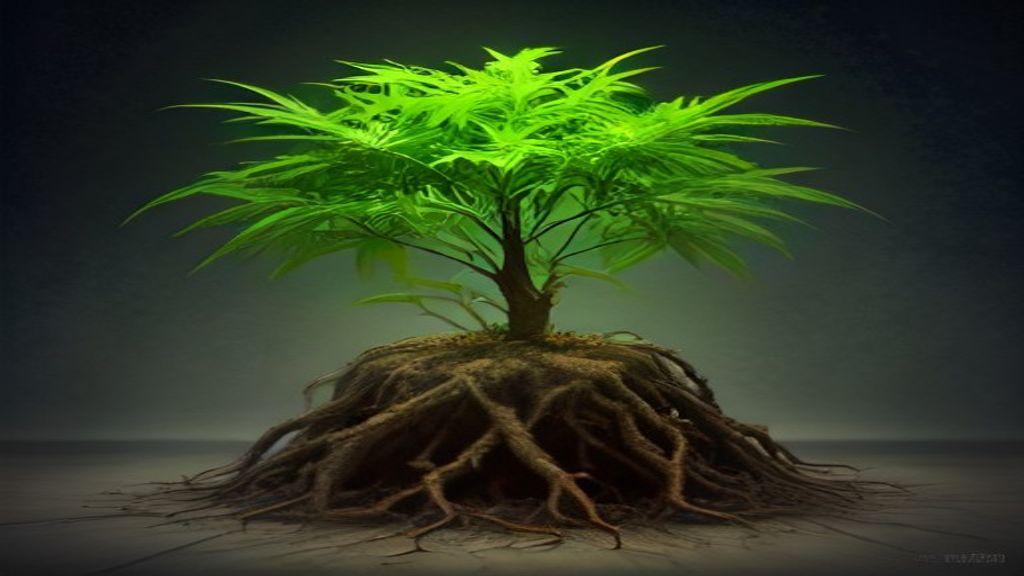
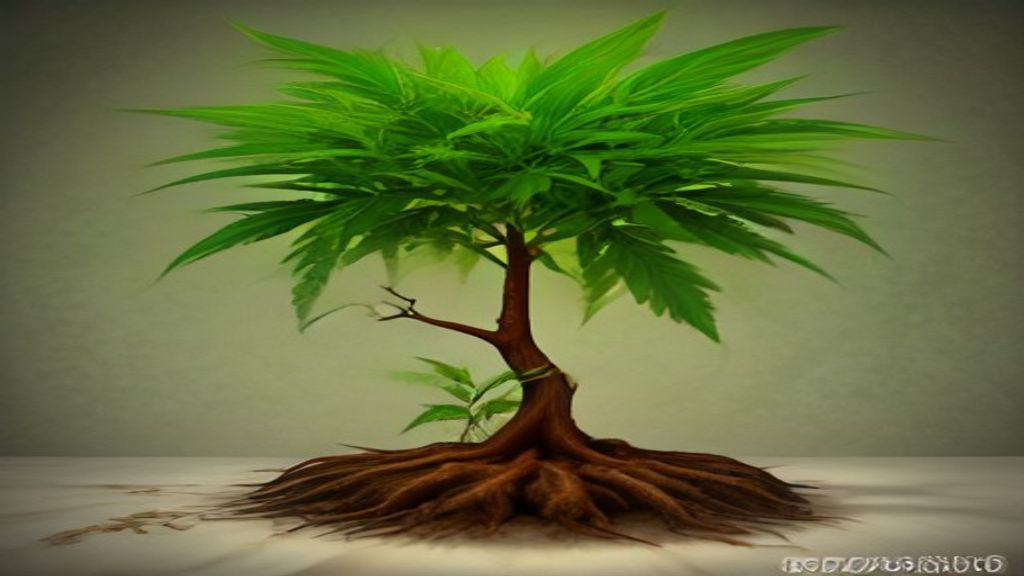
Cannabis is naturally a dicotyledonous plant characterized by a taproot system. Upon germination, the radicle emerges and immediately exhibits a strong geotropic response, driving downward into the growth medium. This primary taproot acts as a vertical anchor, capable of reaching significant depths to access deeper water reservoirs during periods of drought. Under optimal conditions in loose, well-aerated soil, the taproot can extend between 30 to 45 inches deep. This vertical growth provides the necessary leverage to support the plant’s significant lateral weight during the late flowering stage.
Lateral Root Proliferation
While the taproot provides depth, the lateral or “secondary” roots provide the surface area required for nutrient uptake. These roots grow horizontally from the taproot, primarily occupying the top 12 to 24 inches of the soil profile where oxygen levels are higher. This dense network of fine root hairs forms the rhizosphere, the site of intense biological activity and nutrient exchange. The interplay between the deep-reaching taproot and the wide-reaching lateral roots creates a comprehensive grid that maximizes resource extraction.
Environmental Factors Influencing How Deep Do Cannabis Roots Grow
The maximum depth achieved by the root system is frequently limited by the physical characteristics of the substrate rather than the genetic potential of the plant itself. Soil compaction is a primary inhibitor; in heavy clay soils, the mechanical resistance often prevents the taproot from penetrating deep into the earth. Conversely, in sandy or silty loams, the permeability of the medium allows for much deeper exploration. The presence of a high water table can also attenuate depth, as roots will generally stop growing once they reach saturated, anaerobic zones to avoid “drowning.”
Substrate Temperature and Chemistry
Thermal gradients within the soil also dictate root behavior. Roots tend to seek out regions where temperatures remain stable, typically between 65°F and 72°F. If the surface soil becomes excessively hot, the plant may prioritize deeper growth to escape thermal stress. Additionally, the availability of phosphorus and calcium in the lower soil strata can encourage deeper penetration, as the plant moves toward localized concentrations of these essential immobile nutrients.
Comparison: Container Cultivation vs. Open Ground
The cultivation environment imposes the most rigid constraints on root depth. In container-based systems, the root system is artificially limited by the walls of the pot, leading to a phenomenon known as being root-bound. In these scenarios, the roots circle the perimeter, seeking exit points and eventually compromising the plant’s ability to transport fluids efficiently. In contrast, open-ground cultivation allows the taproot to fulfill its biological imperative of deep vertical descent.
| Cultivation Method | Typical Root Depth | Primary Limitation | Root Morphology |
|---|---|---|---|
| Small Container (5-Gallon) | 12–15 Inches | Physical Boundary | Fibrous, Circling |
| Large Fabric Pot (100-Gallon) | 24–30 Inches | Air Pruning | Dense, Branched |
| Raised Garden Bed | 18–24 Inches | Bed Depth / Base Barrier | Lateral Expansion |
| Open Earth (Native Soil) | 36–48+ Inches | Soil Compaction / Water Table | Deep Taproot Dominant |
Optimizing Substrate Conditions for Root Depth
To encourage a deeper root system, cultivators should focus on maintaining a balance between porosity and moisture retention. Incorporating amendments such as perlite, vermiculite, or coarse sand can reduce bulk density, making it easier for roots to navigate deeper into the profile. Furthermore, the use of fabric “smart pots” encourages air pruning, which prevents the taproot from circling and instead stimulates the growth of a more complex, multi-tiered root structure within the available depth.
| Growth Phase | Root Development Focus | Recommended Depth Support |
|---|---|---|
| Seedling | Taproot Establishment | 3–6 inches of loose starter medium |
| Vegetative | Lateral and Vertical Expansion | 12–24 inches of nutrient-rich soil |
| Flowering | Maintenance and Resource Loading | Stable moisture at 24+ inches |
Key Takeaways for Successful Cultivation
- The primary taproot can reach depths of 3 to 4 feet in unrestricted, ideal soil conditions.
- Container size is the most common limiting factor for root depth in modern cultivation.
- Soil compaction and poor aeration are the leading causes of stunted root systems.
- A deeper root system provides better resistance to environmental stressors like wind and drought.
- Rhizosphere health is as important as the depth, requiring a balance of oxygen and moisture.
Frequently Asked Questions
Do cannabis roots grow deeper in hydroponics or soil?
In traditional soil, roots grow deeper to find moisture and stability. In hydroponic systems, the roots are constantly submerged in a nutrient solution, so they tend to stay more compact and fibrous rather than growing deep, as the resources they need are immediately available without extensive exploration.
Can a shallow root system affect the final yield?
Yes. A shallow root system limits the volume of soil the plant can “mine” for nutrients. This often results in smaller plants with less structural integrity, which may lead to smaller floral clusters and a decreased ability to handle the weight of heavy buds during the final weeks of flowering.
How can I tell if my cannabis roots are too deep or crowded?
If you are growing in containers, you can check for roots emerging from drainage holes or the sides of fabric pots. In the ground, signs of a restricted or shallow system include stunted growth, frequent wilting despite regular watering, and a lack of stability where the plant feels loose in the soil.
Does the strain (Indica vs. Sativa) change how deep roots grow?
Generally, Sativa-dominant strains, which evolved in tropical regions with longer growing seasons, tend to develop more expansive and deeper root systems compared to the more compact, mountain-dwelling Indica varieties. However, environmental conditions usually play a larger role than genetics in determining final depth.
About the Author