The botanical landscape of modern cannabis is defined by high-precision hybridization, where specific cultivars are engineered to provide targeted physiological experiences. Among these specialized developments, the after dark weed strain has emerged as a quintessential choice for users who prioritize deep physical relaxation and the alleviation of nocturnal restlessness. As an indica-dominant hybrid, this strain is often the result of crossing legendary lineages such as MK Ultra and G13, creating a chemical profile that favors heavy sedation over cerebral stimulation. Understanding the nuances of this cultivar requires an examination of its cannabinoid concentration, its specific terpene assembly, and the environmental factors that influence its growth. For the discerning consumer or medical patient, the after dark weed strain represents the pinnacle of nighttime cannabis, offering a predictable and potent methodology for achieving a state of complete repose. This article provides a technical overview of the strain’s genetic heritage, sensory characteristics, and cultivation requirements, ensuring that both enthusiasts and growers have the actionable information necessary to maximize the potential of this elite cultivar.
Comprehensive Analysis of the After Dark Weed Strain
Genetic Lineage and Botanical Heritage
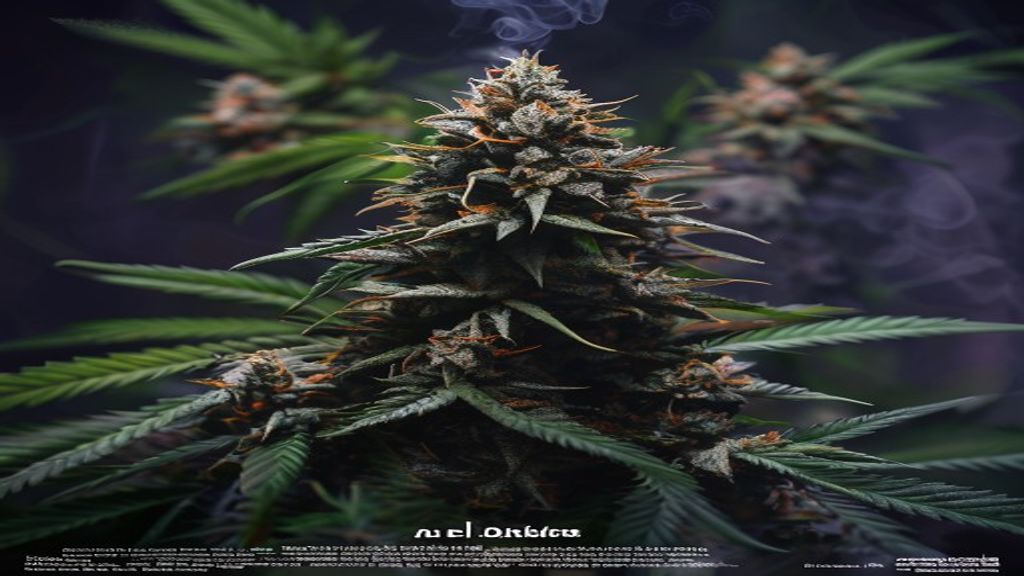
The genetic foundations of the after dark weed strain are rooted in some of the most resilient and potent indica varieties available in the modern seed bank. Most phenotypical expressions of this strain trace their ancestry back to a cross between MK Ultra and G13, though some breeders utilize specialized OG Kush phenotypes to reinforce the sedative qualities. This lineage ensures a robust plant structure characterized by short internodal spacing and dense, resinous flower clusters.
The dominance of indica genetics means the plant focuses its energy on lateral growth and the production of thick, broad fan leaves. These physical traits are indicative of its high THC potential, which frequently tests between 20% and 24% in laboratory settings. The synergy between its parental lineages facilitates a stable growth pattern, making it a reliable choice for commercial operations that require phenotypic consistency across large harvests.
Phenotypical Variations and Selection
While the genetic baseline is stable, growers may encounter slight variations in leaf color and bud density. Some phenotypes exhibit deep purple hues when exposed to cooler nighttime temperatures during the final stages of flowering. These variations do not typically impact the potency, but they do enhance the bag appeal and marketability of the finished product in a retail environment.
Physical and Cognitive Effects of the After Dark Weed Strain
The primary appeal of the after dark weed strain lies in its profound physical “stone,” which manifests shortly after consumption. Unlike sativa-heavy hybrids that might induce a sense of urgency or racing thoughts, this cultivar focuses on the somatic experience. Users often report a heavy sensation in the limbs, followed by a systemic release of muscle tension and a significant reduction in perceived stress levels.
Cognitively, the strain induces a gentle deceleration of thought processes, which is highly beneficial for those dealing with executive dysfunction or anxiety at the end of the day. It is widely considered a “one-and-done” strain, meaning its potency is such that small quantities are sufficient to achieve the desired therapeutic effects. This efficiency makes it a cost-effective option for medical patients who require long-term management of sleep disorders or chronic pain symptoms.
Detailed Cannabinoid Metrics
The cannabinoid profile is predominantly THC-focused, with minimal CBD content, usually falling below 1%. However, the presence of minor cannabinoids like CBG and CBN may contribute to its sedative efficacy via the entourage effect. This chemical balance ensures that the psychoactive experience remains grounded and physically restorative rather than overly cerebral or paranoid.
| Attribute | Average Metric |
|---|---|
| THC Concentration | 20% – 24% |
| CBD Concentration | <1% |
| Dominant Terpene | Myrcene |
| Flowering Time | 56 – 63 Days |
| Primary Effect | Sedation / Relaxation |
Terpene Profile and Sensory Analysis
The sensory experience of the after dark weed strain is defined by a complex arrangement of terpenes that signal its potency even before consumption. The aroma is characterized by a pungent combination of earthy pine and fuel, often underpinned by a subtle sweetness that lingers in the air. This profile is indicative of high concentrations of Myrcene, which is well-documented for its muscle-relaxant and sedative properties.
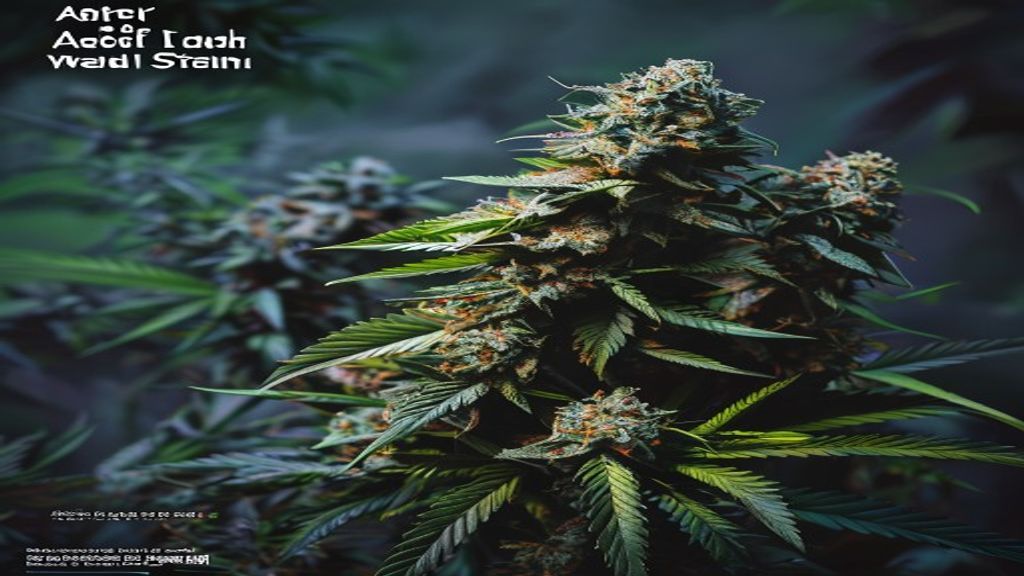
Secondary terpenes include Caryophyllene and Limonene, which provide a spicy, peppery undertone and a hint of citrus brightness, respectively. Caryophyllene is unique as it interacts with CB2 receptors, potentially aiding in the strain’s anti-inflammatory capabilities. When vaporized, the flavor profile remains consistent with the aroma, delivering a smooth, expansive smoke that is rich in “skunky” and woody notes, appealing to those who prefer traditional cannabis flavors over modern fruit-forward cultivars.
Cultivation Best Practices and Requirements
Cultivating the after dark weed strain requires an intermediate understanding of canopy management and humidity control. Due to the density of the buds, this strain is particularly susceptible to botrytis (bud rot) if airflow is insufficient during the late flowering phase. Growers are encouraged to use high-quality oscillating fans and maintain a relative humidity below 45% during the final three weeks of growth.
- Training Techniques: Implementing Low-Stress Training (LST) or “Screen of Green” (ScrOG) methods can significantly increase yields by exposing lower bud sites to more light.
- Nutrient Requirements: This cultivar is a heavy feeder, particularly during the mid-flowering stretch; increased phosphorus and potassium are essential for flower development.
- Harvest Timing: For maximum sedation, wait until at least 30% of the trichomes have turned amber before harvesting.
Comparative Strain Analysis
When selecting a nighttime strain, it is helpful to compare the after dark weed strain against other industry standards. While many indicas provide relaxation, the specific “couch-lock” potential of this strain distinguishes it from lighter nighttime hybrids. The following table highlights how it stacks up against other popular cultivars in the same category.
| Strain Name | Main Effect | Flavor Profile | Potency Level |
|---|---|---|---|
| After Dark | Deep Sedation | Pine / Fuel / Earth | Very High |
| Granddaddy Purple | Euphoric Relaxation | Grape / Berry | High |
| Northern Lights | Mind-Body Calm | Sweet / Spicy | Moderate-High |
| Bubba Kush | Physical Heavy-Hitter | Coffee / Chocolate | High |
Key Takeaways
- Sedative Power: The strain is specifically optimized for nighttime use and sleep induction.
- Genetic Stability: Strong heritage from G13 and MK Ultra ensures reliable growth patterns.
- Terpene Richness: High Myrcene levels drive the physical relaxation experienced by users.
- Cultivation Focus: Dense buds require strict humidity management to prevent mold.
Frequently Asked Questions
Is the After Dark weed strain suitable for beginner growers?
While it is a hardy plant, its susceptibility to mold due to bud density makes it better suited for growers who have at least one or two successful harvests under their belt. Constant environmental monitoring is a prerequisite for success.
What is the best time of day to consume this strain?
As the name implies, this strain is best reserved for evening or nighttime use. Consuming it during the day may lead to significant lethargy and a lack of motivation, which can interfere with daily productivity.
Does this strain help with appetite stimulation?
Yes, like many heavy indicas, it is known to stimulate the appetite significantly. Medical patients suffering from nausea or a lack of appetite may find it highly beneficial for encouraging healthy eating habits.
How long does the flowering stage typically last?
In an indoor environment, the flowering stage usually concludes within 8 to 9 weeks. Outdoor growers can expect to harvest in late September or early October, depending on their local climate and light cycles.
About the Author