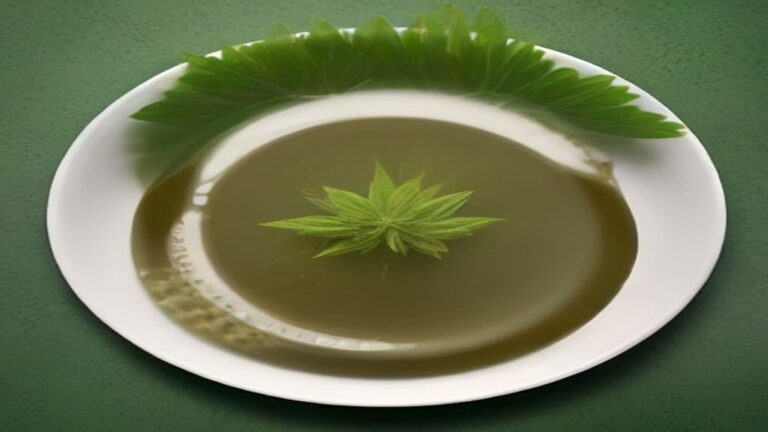
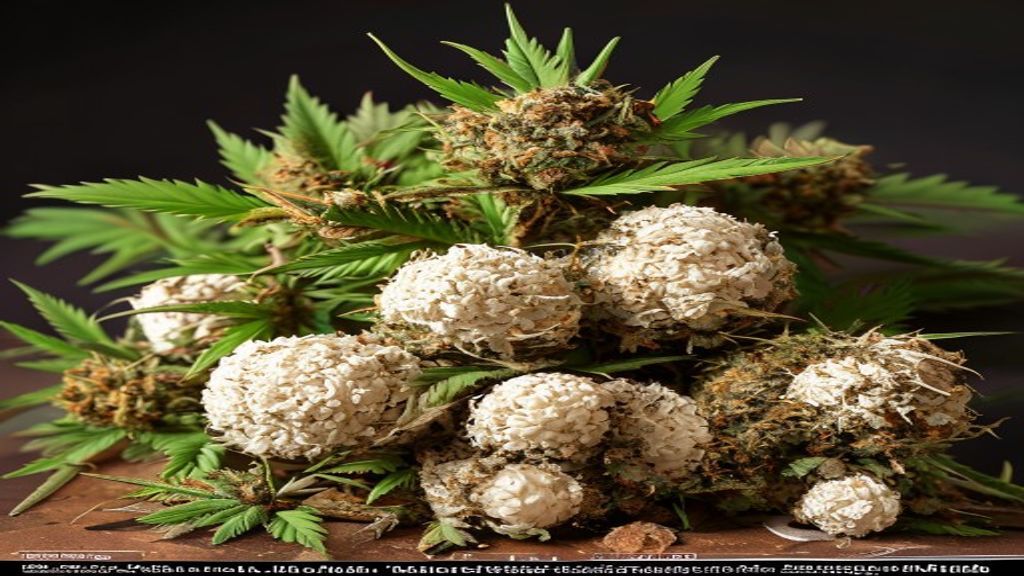
The cannabis landscape is currently undergoing a sophisticated shift toward savory, earthy profiles that deviate from the historically dominant citrus and berry-sweet cultivars. At the forefront of this evolution is the white truffle weed strain, a unique phenotype of Gorilla Butter that has achieved significant acclaim among connoisseurs and commercial cultivators. Discovered and popularized by Beleaf Genetics, this indica-dominant hybrid represents a pinnacle of contemporary breeding, combining high-potency genetics with an aesthetic presentation characterized by deep purples and a dense coating of crystalline trichomes. Its rise to prominence is not merely a result of marketing but a reflection of its complex organoleptic properties and consistent physiological effects.
Comprehensive Guide to the white Truffle Weed strain: Genetics, Effects, and Cultivation
The Genetic Lineage of the White Truffle Weed Strain
Understanding the white truffle weed strain requires an analysis of its parentage, specifically Gorilla Butter. Gorilla Butter itself is a cross between Peanut Butter Breath and the legendary GG4 (formerly Gorilla Glue #4). While Gorilla Butter is a stable cultivar, the White Truffle phenotype emerged as a standout selection due to its distinct morphology and unique phytochemical expression.
The lineage provides a robust foundation for both potency and structural integrity. The GG4 ancestry contributes heavy resin production and a diesel-fuel undertone, while the Peanut Butter Breath side introduces a nutty, savory complexity. This combination results in a plant that produces dense, spade-shaped buds that often appear nearly black or dark purple under a heavy frosting of white resin.
Phenotypic Variation and Selection
In cannabis horticulture, “pheno-hunting” is the process of selecting a specific individual from a group of seedlings that expresses the most desirable traits. White Truffle was selected for its frost-covered appearance and its specific “gassy” yet “umami” scent profile. This selection has become so popular that it is often treated as a standalone strain in the retail market, despite technically being a specific expression of Gorilla Butter.
Terpene Profile and Sensory Experience
The sensory appeal of this cultivar is defined by its sophisticated terpene composition. Unlike many modern hybrids that rely on high concentrations of myrcene or limonene to produce fruity scents, this strain leans into the savory and the sulfurous. The aroma is frequently described as a mixture of damp earth, aged mushrooms, and toasted nuts, finished with a sharp chemical pungency.
Caryophyllene is the dominant terpene in this profile, providing a spicy, peppery foundation. It is the only terpene known to act as a cannabinoid by binding directly to CB2 receptors, which may contribute to the strain’s reputed anti-inflammatory properties. Secondary terpenes like Limonene and Humulene add subtle layers of citrus and woody hops, respectively, creating a well-rounded and multifaceted bouquet.
Potency and Cannabinoid Concentration
Laboratory testing consistently places this cultivar in the high-potency category. THC concentrations typically range from 25% to 30%, making it a choice best suited for experienced consumers. CBD and CBG levels remain relatively low, usually under 1%, which ensures that the psychoactive experience is pronounced and enduring without significant modulation from non-intoxicating cannabinoids.
| Characteristic | Average Value/Detail |
|---|---|
| Type | Indica-Dominant Hybrid (approx. 60/40) |
| THC Content | 25% – 30% |
| Primary Terpene | Caryophyllene |
| Flowering Time | 60 – 65 Days |
| Yield | Moderate to High |
Therapeutic and Recreational Effects
The physiological impact of the white truffle weed strain is characterized by a rapid onset of cerebral euphoria followed by a deep, lingering physical relaxation. Users often report an initial “head-rush” that sharpens focus and encourages creative thinking, though this typically transitions into a heavy-set body stone that can lead to sedation if consumed in higher quantities.
From a therapeutic perspective, patients often seek this strain for the following reasons:
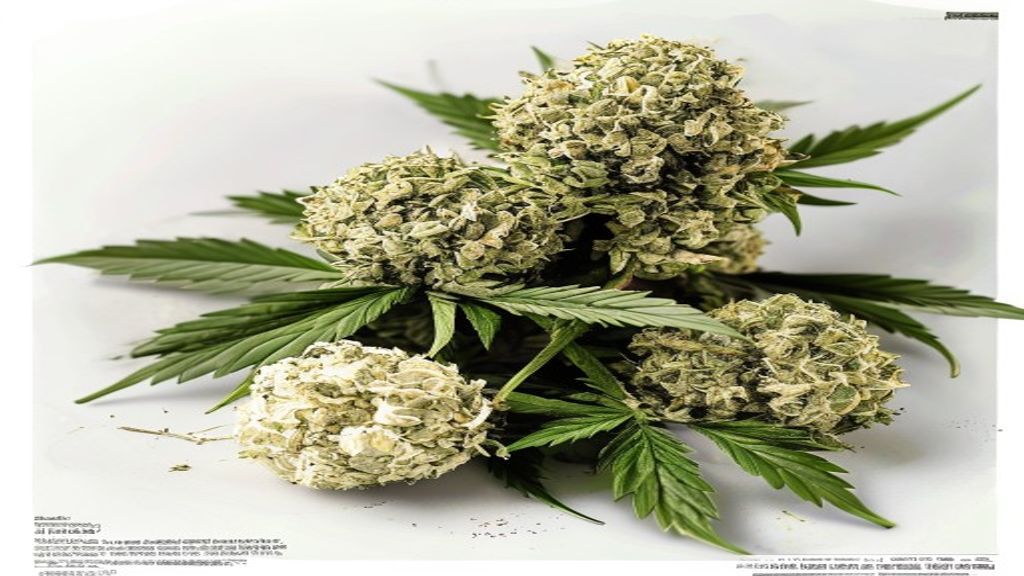
- Chronic Stress Management: The potent anxiolytic effects can help mitigate the symptoms of generalized anxiety and high-stress environments.
- Pain Modulation: Its high THC content and caryophyllene levels make it effective for managing neuropathic pain and inflammation.
- Appetite Stimulation: Like many savory strains, it is known to significantly increase hunger, which is beneficial for those undergoing treatments that suppress appetite.
Cultivation and Growth Characteristics
For the professional cultivator, this strain presents both opportunities and challenges. It is a vigorous grower that responds well to various training techniques, such as the Screen of Green (ScrOG) method or Low-Stress Training (LST). The plants tend to stay medium in height but develop significant lateral branching, requiring adequate space and airflow to prevent moisture-related issues.
The flowering period is relatively standard for an indica-dominant hybrid, usually concluding between 60 and 65 days. To maximize the expression of its deep purple hues, many growers recommend a slight drop in nighttime temperatures during the final two weeks of flowering. This environmental trigger encourages the production of anthocyanins, the pigments responsible for the strain’s signature dark coloration.
Comparative Analysis of Related Cultivars
To fully appreciate the position of this strain in the market, it is helpful to compare it to its closest relatives. While they share genetic DNA, their expressions in the garden and in the jar differ significantly.
| Strain | Dominant Aroma | Primary Effect | Bud Structure |
|---|---|---|---|
| White Truffle | Earth, Mushroom, Gas | Relaxing/Euphoric | Dense, Deep Purple |
| Gorilla Butter | Butter, Nutty, Earth | Balanced Hybrid | Light Green/Forest Green |
| Peanut Butter Breath | Nutty, Herbal, Woody | Body-Heavy Sedation | Standard Hybrid Density |
Key Takeaways
- The white truffle weed strain is a premium phenotype of Gorilla Butter, known for its savory umami aroma.
- It possesses a high THC concentration (25-30%), making it highly potent and suitable for experienced users.
- The strain is aesthetically distinct, featuring dark purple foliage and a dense layer of trichomes.
- Cultivation requires attention to airflow and temperature drops to maximize color and resin production.
- Therapeutically, it is favored for pain relief, stress management, and appetite stimulation.
Frequently Asked Questions
Is White Truffle an Indica or Sativa?
It is an indica-dominant hybrid. While the exact ratio can vary slightly depending on the grower, it generally expresses 60% to 70% indica genetics, providing a strong body high while retaining some creative cerebral effects from its sativa lineage.
What does the White Truffle weed strain smell like?
The scent is highly unique, favoring savory notes over sweet ones. Expect a pungent mixture of earthy mushrooms, gasoline, and garlic, often described as an “umami” profile that is rare in the cannabis world.
How difficult is it to grow White Truffle?
It is considered a moderate-difficulty strain. While it is vigorous, its dense bud structure makes it susceptible to mold if humidity is not strictly controlled during the final stages of flowering. It requires consistent pruning and high-quality nutrient regimens.
Where did the White Truffle strain originate?
The specific phenotype was discovered and stabilized by Beleaf Genetics. It was selected from a hunt of Gorilla Butter (GG4 x Peanut Butter Breath) seeds and has since become one of the most sought-after cuts in the United States.
About the Author